Understanding Sibling Rivalry: Peaceful Coexistence Tips
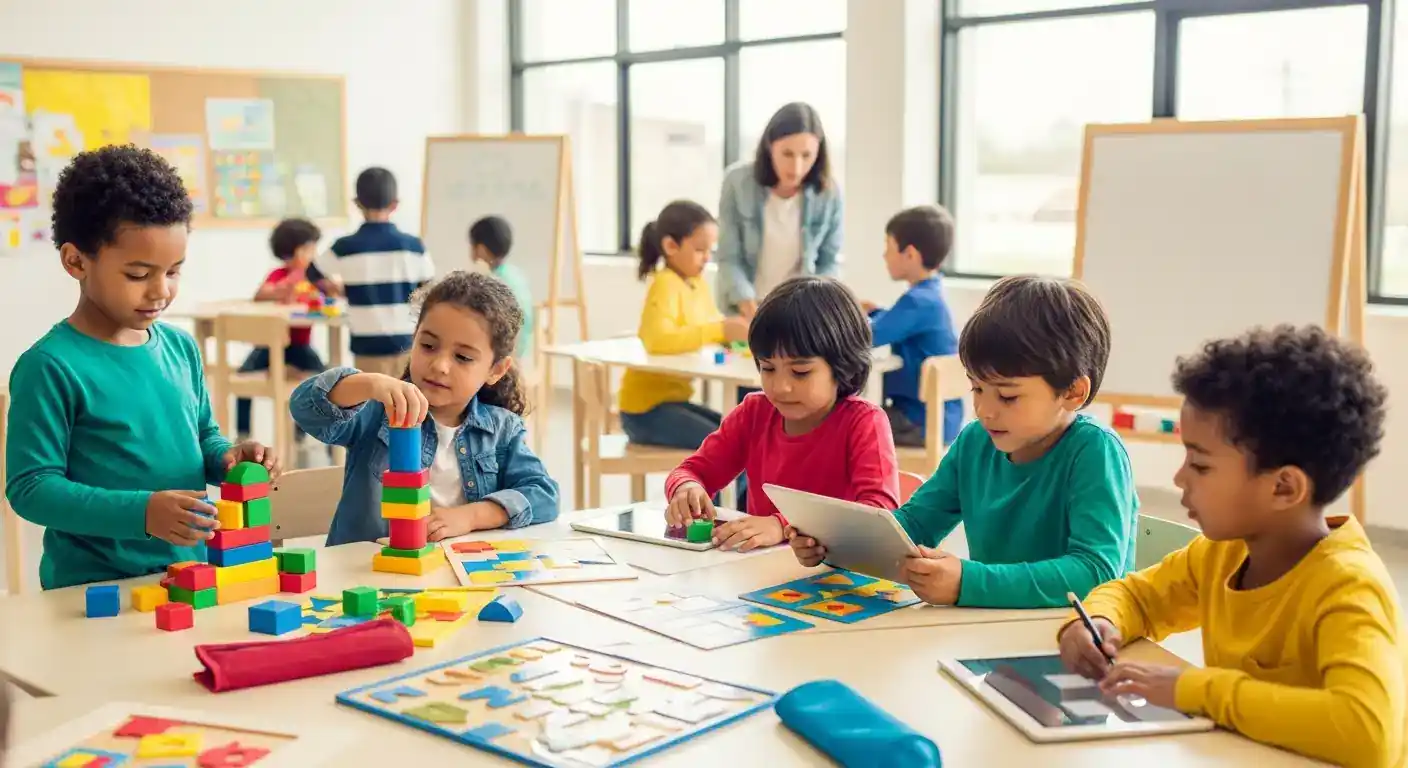
Sibling rivalry is a common and often challenging aspect of family life. It's the competitive, sometimes combative, relationship between siblings that can manifest in various ways, from minor squabbles to more significant conflicts. Understanding the root causes of this rivalry and implementing effective strategies can transform these tensions into opportunities for growth, teaching children valuable life skills like negotiation, empathy, and conflict resolution. This guide offers practical tips for fostering a more peaceful and harmonious environment, helping families navigate the inevitable bumps in the road.
Key Points:
- Sibling rivalry is normal, but manageable.
- Understanding developmental stages is crucial.
- Effective communication and clear boundaries are vital.
- Fairness, not necessarily equality, is key.
- Modeling positive conflict resolution is paramount.
Understanding the Dynamics of Sibling Rivalry
Sibling rivalry isn't just about fighting over toys; it's a complex interplay of individual personalities, family dynamics, and developmental stages. Children often compete for parental attention, resources, and status within the family unit. As they grow, their understanding of fairness and their desire for independence can further fuel these tensions.
Why Do Siblings Fight? Common Causes
Several factors contribute to sibling conflict:
- Competition for Resources: This can range from toys and attention to parental praise. Children often feel a perceived scarcity of these valuable resources.
- Differing Personalities and Temperaments: A highly energetic child might clash with a more reserved sibling, leading to friction.
- Developmental Stages: As children progress through different age groups, their needs, expectations, and coping mechanisms change, potentially creating new sources of conflict. For instance, toddlers might struggle with sharing, while older children might compete for autonomy.
- Insecurity and Low Self-Esteem: Sometimes, children act out to gain attention or feel powerful, especially if they are experiencing insecurity in other areas of their lives.
- Modeling Behavior: Children learn by observing. If parents or caregivers model aggressive or dismissive communication styles, children are more likely to adopt them.
- Perceived Unfairness: Children have a strong sense of justice. If they believe their sibling is receiving preferential treatment, it can lead to resentment and conflict.
The Role of Parental Involvement
Parental involvement is critical in managing sibling rivalry. Your role is not to be a constant referee but to be a guide and a mediator. Setting clear expectations and boundaries is foundational. It's important to remember that fairness doesn't always mean equality. Treating each child according to their individual needs and developmental stage is often more equitable.
For parents seeking to understand their children's developmental milestones better, exploring resources on child psychology can be highly beneficial.
Strategies for Fostering Peaceful Coexistence
Transforming sibling conflict into a more harmonious relationship requires consistent effort and a multi-faceted approach. Here are some practical strategies to implement:
1. Foster a Strong Sense of Individual Identity
Each child needs to feel seen and valued for who they are. Encourage their unique interests and talents, providing opportunities for them to shine independently. When children feel secure in their individuality, they are less likely to feel the need to compete for attention or validation.
- Dedicated One-on-One Time: Schedule special, uninterrupted time with each child. This reassures them of your love and attention, reducing the need to vie for it.
- Celebrate Uniqueness: Acknowledge and celebrate each child's accomplishments and interests, no matter how small. This reinforces their sense of self-worth.
2. Teach Effective Communication and Conflict Resolution Skills
Equip your children with the tools to express their needs and feelings constructively. This is a long-term investment in their ability to navigate relationships.
- "I" Statements: Teach them to use "I feel..." statements to express their emotions without blaming. For example, "I feel frustrated when you take my toy" instead of "You always take my toys!"
- Active Listening: Encourage them to listen to each other's perspectives. Practice summarizing what the other person said to ensure understanding.
- Problem-Solving Together: When conflicts arise, guide them through a problem-solving process. Ask questions like, "What's the problem?" "What have you tried?" "What are some possible solutions?"
3. Establish Clear Rules and Boundaries
Consistent rules provide a predictable framework for behavior and help children understand what is expected.
- Behavioral Expectations: Clearly define acceptable and unacceptable behaviors related to sharing, personal space, and verbal interactions.
- Consequences: Implement fair and consistent consequences for breaking rules. These should be logical and focused on learning, not punishment.
- Designated Personal Space: Ensure each child has a personal space that is respected by their sibling. This could be their bedroom or a designated corner.
4. Promote Empathy and Understanding
Help children see situations from their sibling's point of view. Empathy is a cornerstone of healthy relationships.
- Perspective-Taking: Ask questions like, "How do you think your brother felt when that happened?" or "What might have been going on for your sister at that moment?"
- Shared Experiences: Encourage activities that require cooperation and teamwork, allowing them to build positive shared memories and understand each other better.
5. Avoid Comparisons
Comparing siblings is a sure way to breed resentment and insecurity. Each child is on their own unique developmental path.
- Focus on Individual Progress: Praise effort and improvement rather than comparing one child's achievements to another's.
- Acknowledge Strengths: Highlight the different strengths each child possesses.
6. Manage Competition Constructively
While some competition can be motivating, it can also escalate into conflict.
- Teamwork Over Competition: Whenever possible, set up activities where siblings can work together towards a common goal.
- Focus on Self-Improvement: Encourage children to compete against their own previous performance rather than against their sibling.
Differentiated Value: Beyond the Basics
Many resources address sibling rivalry, but often miss the nuances of individual child temperaments and the long-term impact on adult sibling relationships.
The Influence of Parenting Styles on Sibling Dynamics
Research from child development experts consistently shows that different parenting styles can significantly influence the nature and intensity of sibling rivalry. For instance, studies published in Child Development (2024) indicate that authoritative parenting, characterized by warmth, clear boundaries, and open communication, tends to foster more cooperative sibling relationships compared to authoritarian or permissive styles. Authoritative parents actively help children understand each other's feelings and collaboratively problem-solve, which is a proactive approach to managing conflict before it escalates.
Preparing for Adult Sibling Relationships
While often focused on childhood, understanding sibling rivalry's impact on adult relationships is a crucial differentiator. The patterns of interaction established in childhood can carry into adulthood, affecting communication, support systems, and family dynamics well into later life. By addressing rivalry early and teaching healthy conflict resolution, parents are not just managing childhood squabbles but are laying the groundwork for potentially strong, supportive adult sibling bonds. A review in the Journal of Family Psychology (2025) highlighted that early positive sibling interaction mediated by parents was associated with higher levels of adult sibling satisfaction and reduced conflict. This insight emphasizes the long-term significance of early intervention.
Expert Insights and Evidence
Parenting experts like Dr. Alvy Ray Smith, a renowned developmental psychologist, emphasize that successful sibling rivalry management isn't about eliminating conflict but about teaching children how to navigate it constructively. He suggests that parents act as coaches, providing the framework and tools for children to resolve issues themselves, thereby building resilience and independence.
A longitudinal study by the National Institute of Mental Health (published 2023) tracked children into adulthood and found that individuals who experienced more positive sibling interactions during childhood were more likely to have better mental health outcomes and stronger social support networks in adulthood. This underscores the profound and lasting impact of how sibling dynamics are handled.
Frequently Asked Questions (FAQ)
Q1: How young is too young for sibling rivalry? Even toddlers can exhibit rivalry, often stemming from jealousy over parental attention or struggles with sharing. It's less about complex conflict and more about asserting their needs and boundaries in a developing world.
Q2: What if my children are very different in age? Age differences can create unique challenges, but the core principles remain the same. Focus on individual needs, age-appropriate expectations, and fostering understanding of each other's stages. Ensure older siblings aren't solely responsible for younger ones' behavior.
Q3: Should I always step in when siblings fight? No, not always. Observe first. If it's a minor disagreement that they can resolve, let them. Step in if there's physical harm, significant emotional distress, or they are stuck and unable to find a solution. Your goal is to guide, not to control.
Q4: How can I ensure fairness without treating my children exactly the same? Fairness means meeting each child's individual needs. This might mean different bedtimes, more help with homework for one, or a specific toy for another. Explain that differences are not unfairness; they are about meeting each child's unique requirements.
Conclusion and Next Steps
Managing sibling rivalry is an ongoing journey, not a destination. By understanding its roots, implementing consistent strategies, and focusing on teaching valuable life skills, you can help your children build a stronger, more supportive relationship. The goal is to move from constant conflict to peaceful coexistence, where siblings learn to appreciate, respect, and even rely on each other.
What's next for your family?
- Observe your children's interactions: Identify patterns and triggers of rivalry in your home.
- Choose one strategy to implement this week: Focus on teaching "I" statements or scheduling dedicated one-on-one time.
- Share your experiences: How have you managed sibling rivalry in your home? Share your tips in the comments below!
For further insights into child development and positive family dynamics, consider exploring articles on effective communication in families or strategies for building self-esteem in children. These complementary topics can further enrich your approach to creating a harmonious home environment.