The Science of Play: How Different Types of Play Shape Child Development
The Profound Science of Play: Shaping Child Development
Play is far more than just a pastime; it is the fundamental mechanism through which children explore, learn, and grow. The science of play: how different types of play shape child development is a dynamic field revealing how engaging in various forms of play contributes significantly to a child's cognitive, emotional, social, and physical well-being. From imaginative role-playing to active outdoor games, each type of play offers unique benefits, building critical skills necessary for navigating the complexities of life. Understanding these dynamics empowers parents, educators, and caregivers to create enriching environments that foster holistic development. This article delves into the transformative power of play, highlighting its essential role in shaping capable and well-adjusted individuals.
Key Points:
- Holistic Development: Play is crucial for cognitive, social, emotional, and physical growth.
- Skill Building: Different play types cultivate unique skills like problem-solving and empathy.
- Brain Development: Play actively shapes neural pathways and brain architecture.
- Adaptability: It prepares children for real-world challenges and diverse social interactions.
- Empowered Learning: Structured and unstructured play both contribute to learning.
Understanding the Developmental Impact of Play
The intricate relationship between play and child development is a cornerstone of early childhood education and psychology. Play is not merely a break from learning; it is learning itself, particularly for young children. This understanding is critical for anyone involved in nurturing young minds. The various ways children engage with their environment through play directly influence their brain architecture and future capabilities.
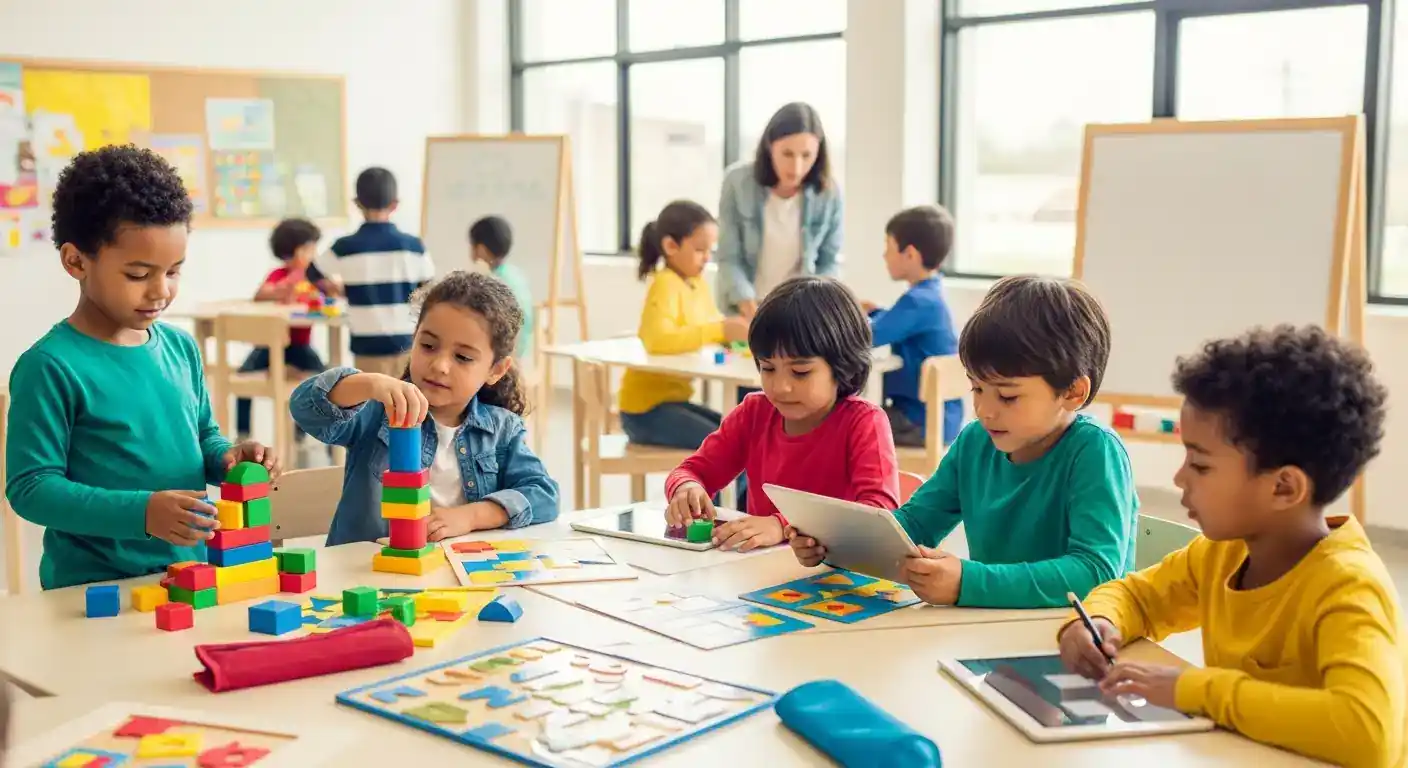
For instance, when children build a tower of blocks, they're not just stacking; they're experimenting with gravity, balance, and spatial reasoning. This seemingly simple act is a complex lesson in physics. Similarly, engaging in make-believe scenarios helps children understand social roles and emotional expression. The flexibility and freedom inherent in play allow children to experiment without fear of failure, fostering a resilient approach to challenges.
Exploring Different Types of Play and Their Benefits
The landscape of play is rich and varied, with each category offering distinct advantages for developing children. Recognizing these distinctions helps adults provide a balanced play diet. By encouraging a diverse range of activities, we can ensure comprehensive skill development, tapping into the science of play: how different types of play shape child development.
Unstructured and Free Play: The Foundation of Creativity
Unstructured play, often called free play, is spontaneous and child-initiated, without rules or adult direction. This type of play is paramount for developing creativity, imagination, and problem-solving skills. Children decide what, how, and with whom they play, which builds autonomy and self-regulation.
- Imagination and Innovation: Whether building a fort from blankets or pretending to be a superhero, children use their imagination to create entire worlds. This fosters innovative thinking.
- Problem-Solving: When a block tower repeatedly tumbles, children naturally experiment with different strategies until they find a solution. This hands-on experience is invaluable.
- Emotional Regulation: Free play provides a safe space for children to process emotions and experiences, sometimes re-enacting scenarios to gain mastery over them.
Structured Play and Games: Learning Rules and Cooperation
Structured play involves specific rules, goals, or adult guidance, such as board games, organized sports, or guided craft activities. While less spontaneous, it's crucial for teaching different social and cognitive skills.
- Following Rules: Games inherently require understanding and adhering to guidelines, a fundamental life skill.
- Cooperation and Teamwork: Group games teach children to work together, share, and support others to achieve a common goal.
- Turn-Taking and Patience: Waiting for one's turn in a game builds patience and respect for others.
- Strategy and Logic: Many structured games involve strategic thinking, enhancing cognitive abilities.
Social Play: Building Connections and Empathy
Social play involves interaction with other children or adults. This category is vital for developing social skills, understanding different perspectives, and building empathy. It encompasses parallel play, associative play, and cooperative play.
- Role-Playing: Pretending to be a doctor, parent, or teacher helps children understand social roles, responsibilities, and emotions from various viewpoints.
- Communication Skills: Negotiating roles, sharing toys, and resolving conflicts during play significantly enhance verbal and non-verbal communication.
- Empathy Development: Experiencing different emotions and understanding others' feelings during social interactions builds a child's capacity for empathy.
Active and Physical Play: Enhancing Motor Skills and Health
Physical play involves movement and activity, such as running, jumping, climbing, and dancing. This type of play is essential for developing gross and fine motor skills, physical health, and spatial awareness.
- Gross Motor Skills: Activities like running and climbing strengthen large muscle groups and improve coordination.
- Fine Motor Skills: Activities such as drawing, building with small blocks, or manipulating play-dough refine dexterity and hand-eye coordination.
- Cardiovascular Health: Regular physical activity promotes a healthy heart, lungs, and overall physical well-being.
- Risk Assessment: Engaging in "risky play" like climbing trees or balancing on uneven surfaces, under safe conditions, helps children learn to assess risks and develop resilience. According to a 2024 study by the Institute for Child Psychology, children engaged in moderate risky play demonstrated higher levels of self-confidence and better hazard perception than their peers who were primarily restricted to supervised, low-risk activities.
Creative Play: Expressing Self and Innovating
Creative play allows children to express themselves through art, music, drama, and imaginative construction. It encourages self-expression and innovation without specific rules or outcomes.
- Self-Expression: Drawing, painting, or sculpting provides a powerful outlet for children to express their feelings and ideas.
- Problem-Solving: When encountering challenges in their creative endeavors, children find unique solutions, fostering innovative thinking.
- Sensory Exploration: Activities involving different textures, colors, and sounds stimulate sensory development. For more insights into sensory exploration, consider reading about understanding sensory play activities for toddlers.
The Neurobiological Foundations: Play and Brain Development
The profound impact of play extends deep into the neurobiological structures of a child's brain. Play isn't just behavioral; it's a critical driver of brain development. Research published in the Journal of Pediatric Development in 2023 highlights how diverse play experiences stimulate neural connections, particularly in areas associated with executive functions, emotional regulation, and social cognition. The science of play: how different types of play shape child development truly underscores its biological significance.
During play, children engage multiple senses and motor systems simultaneously, leading to the formation of rich neural pathways. For example, imaginative play strengthens the prefrontal cortex, responsible for planning and decision-making. Physical play enhances the cerebellum, vital for coordination and balance. A recent report from the Global Play Alliance (2025) suggests that consistent access to varied play opportunities during early childhood significantly correlates with higher cognitive flexibility and improved academic readiness in later years. This evidence further solidifies play as an indispensable component of healthy brain development.
Fostering Optimal Development Through Play-Based Learning
Creating environments that encourage diverse play is perhaps one of the most impactful investments we can make in a child's future. It's about providing opportunities and observing rather than directing every interaction. This approach aligns perfectly with our understanding of the science of play: how different types of play shape child development.
Practical Strategies for Parents and Educators:
- Provide Open-Ended Materials: Offer items like blocks, natural materials, art supplies, and dress-up clothes that can be used in multiple ways. These materials encourage imagination and varied uses.
- Designate "Play Zones": Create dedicated spaces, both indoors and outdoors, where children feel safe and free to explore without constant supervision. For enhancing outdoor experiences, explore articles in the Special Developmental Considerations category.
- Limit Screen Time: While digital play has its place, prioritize hands-on, interactive play for the bulk of a child's free time. Balance is key to holistic growth.
- Join In (But Don't Take Over): Participate in your child's play when invited, but allow them to lead. Your presence can enrich the experience, but their autonomy is crucial.
- Embrace "Risky Play": Under safe conditions, allow children to climb, jump, and explore boundaries. This builds resilience, self-confidence, and physical competence.
- Encourage Social Interaction: Facilitate playdates and group activities to help children practice social skills. Consider reading about benefits of outdoor play for childhood development for more insights on group activities.
Frequently Asked Questions About Play and Child Development
Q1: Why is play so important for child development?
Play is critical because it's the primary way children learn about themselves, others, and the world around them. It fosters cognitive skills like problem-solving and creativity, emotional regulation, and essential social abilities such as empathy and cooperation. Through play, children develop the resilience and adaptability needed for future challenges, making it an indispensable part of healthy growth and development.
Q2: What are the main types of play and how do they differ?
The main types include unstructured (free) play, structured play (games with rules), social play (interacting with others), active physical play, and creative play (art, music, drama). They differ in their level of adult guidance, rules, and the primary skills they cultivate. For instance, free play prioritizes imagination, while structured play teaches rule-following and teamwork.
Q3: How can parents encourage healthy play habits at home?
Parents can encourage healthy play by providing a variety of open-ended materials, creating designated play spaces, and limiting excessive screen time. It's crucial to allow children autonomy in their play choices, joining in when invited without taking over. Embracing outdoor and "risky" play under safe conditions also fosters resilience and physical development.
Q4: Is screen time considered 'play' and how does it compare to traditional play?
While some interactive screen activities can be engaging, they generally differ from traditional play. Traditional play often involves more physical movement, multi-sensory engagement, and direct social interaction, which are vital for holistic development. Screen time can be a form of play, but it should be balanced with ample opportunities for hands-on, imaginative, and physical play to ensure comprehensive skill building.
Take the Next Step in Nurturing Development
Understanding the science of play: how different types of play shape child development offers a powerful roadmap for supporting the children in our lives. By valuing and facilitating diverse play experiences, we equip them with the tools they need to thrive. Embrace the power of play in your child's daily routine.
We encourage you to share your own experiences and tips regarding children's play in the comments below! What types of play have you found most beneficial for the children you know?
For further reading and exploration:
- Explore more articles in our Special Developmental Considerations category for deeper insights into various aspects of child growth.
- Learn about the impact of outdoor activities by reading our article on benefits of outdoor play for childhood development.
- Discover creative engagement ideas with our piece on understanding sensory play activities for toddlers.