The Power of Play: Fostering Development in Early Childhood
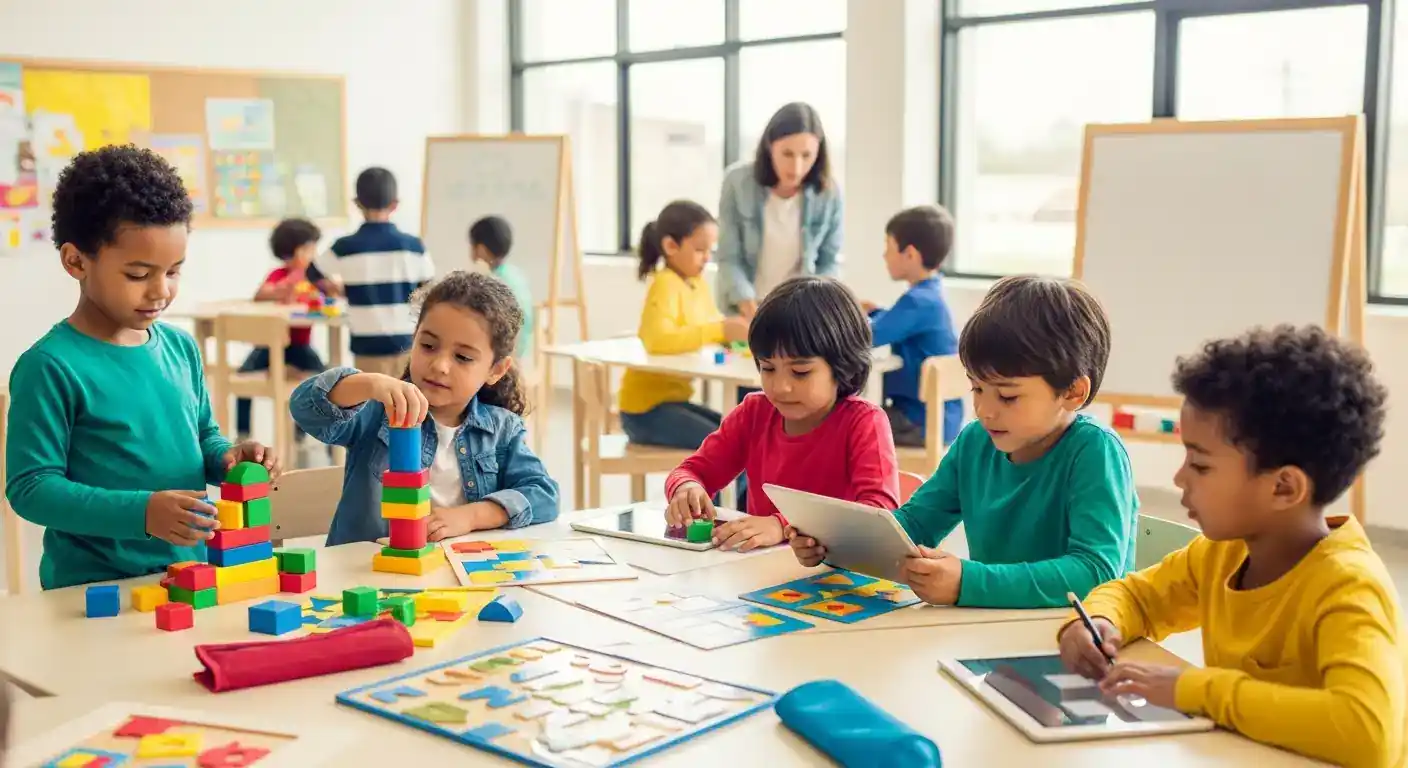
Play is much more than just fun and games for young children. It's a crucial component of their development, fostering essential skills and shaping their future. Through play, children learn to interact with the world, develop social skills, and build a strong foundation for lifelong learning. This article explores the power of play in early childhood and its significant impact on various aspects of a child's growth.
Key Points:
- Play fosters cognitive, social, emotional, and physical development.
- Different types of play offer unique learning opportunities.
- Creating a supportive play environment is essential.
- Play-based learning is crucial in early childhood education.
- Observing children at play provides valuable insights into their development.
The Power of Play in Cognitive Development
Play is instrumental in shaping a child's cognitive abilities. Through exploratory play, children learn about cause and effect, problem-solving, and critical thinking. Manipulating objects, building blocks, and engaging in pretend play encourages creativity and imagination. These activities stimulate brain development and lay the groundwork for future academic success. For example, a child stacking blocks is learning about spatial reasoning and problem-solving, while engaging in pretend play develops language skills and narrative thinking.
The Importance of Play in Social-Emotional Development
Play provides a safe space for children to develop crucial social-emotional skills. Interacting with peers during play allows children to learn about sharing, cooperation, and conflict resolution. Role-playing and dramatic play help them understand different perspectives and develop empathy. Experiences like these are essential for building healthy relationships and navigating social situations throughout life. The ability to regulate emotions is also fostered through play, as children learn to manage frustration, excitement, and disappointment in a playful context.
Play and Physical Development: Fostering Growth Through Movement
Physical development is another crucial aspect of early childhood that is significantly influenced by play. Active play, such as running, jumping, and climbing, helps children develop gross motor skills, coordination, and balance. Fine motor skills are honed through activities like drawing, painting, and manipulating small objects. These activities contribute to overall physical health and well-being. Engaging in various physical activities through play promotes healthy habits and sets the stage for a lifetime of physical activity.
Creating a Supportive Play Environment for Early Childhood Development
A nurturing and stimulating play environment is essential for maximizing the benefits of play. Providing a variety of age-appropriate toys and materials allows children to explore their interests and engage in different types of play. Open-ended play materials, such as blocks, art supplies, and dress-up clothes, encourage creativity and imagination. A safe and supportive space allows children to take risks, experiment, and learn through trial and error.
Differentiated Insights into Play-Based Learning
Recent research highlights the importance of unstructured play in fostering executive function skills, such as self-regulation, planning, and working memory. These skills are crucial for academic success and overall well-being. (Source: "The Importance of Play in Promoting Healthy Child Development and Maintaining Strong Parent-Child Bonds," American Academy of Pediatrics, 2024). Another key trend is the integration of technology in play-based learning. While screen time should be limited, carefully selected educational apps and interactive games can enhance learning and development. (Source: "Technology and Interactive Media as Tools in Early Childhood Programs Serving Children from Birth through Age 8," National Association for the Education of Young Children, 2023).
FAQs about Play in Early Childhood Development
Q: How much play time do young children need?
- A: Experts recommend several hours of unstructured play each day for optimal development. This allows children ample time to explore, experiment, and engage in different types of play.
Q: What are the different types of play?
- A: Common types of play include solitary play, parallel play, associative play, and cooperative play. Each type offers unique learning opportunities and contributes to a child's overall development.
Q: How can parents encourage play at home?
- A: Create a designated play area, provide age-appropriate toys and materials, and schedule regular playtime. Most importantly, engage in play with your child and show enthusiasm for their playful explorations.
Q: How can I tell if my child’s play is developmentally appropriate?
- A: Observe your child's play patterns and interactions. Consult with your pediatrician or a child development specialist if you have any concerns about your child's development through play.
Conclusion: Embrace the Power of Play
The power of play in early childhood development cannot be overstated. By providing children with opportunities for rich and varied play experiences, we equip them with essential skills for lifelong success. Encourage play, foster creativity, and watch as children thrive. Share your thoughts and experiences in the comments below! Subscribe to our newsletter for more valuable insights on early childhood development. For further reading, explore our articles on "Developing Fine Motor Skills" (/articles/developing-fine-motor-skills) and "The Benefits of Outdoor Play" (/articles/the-benefits-of-outdoor-play). You can also explore our other resources on /categories/development-assessment.
Internal Link Suggestions:
- Anchor Text: Developing Fine Motor Skills; Target Page: Article; Link: /articles/developing-fine-motor-skills
- Anchor Text: The Benefits of Outdoor Play; Target Page: Article; Link: /articles/the-benefits-of-outdoor-play
- Anchor Text: Learning and Development Assessment; Target Page: Category; Link: /categories/development-assessment
Expandable Subtopics:
- The role of play in developing language skills.
- The impact of digital play on early childhood development.
- Strategies for integrating play-based learning in the classroom.
Update Frequency Recommendation: This article should be reviewed and updated every 6-12 months to ensure accuracy and reflect the latest research and trends in early childhood development.