The Importance of Play in Child Development: Fostering Creativity and Learning
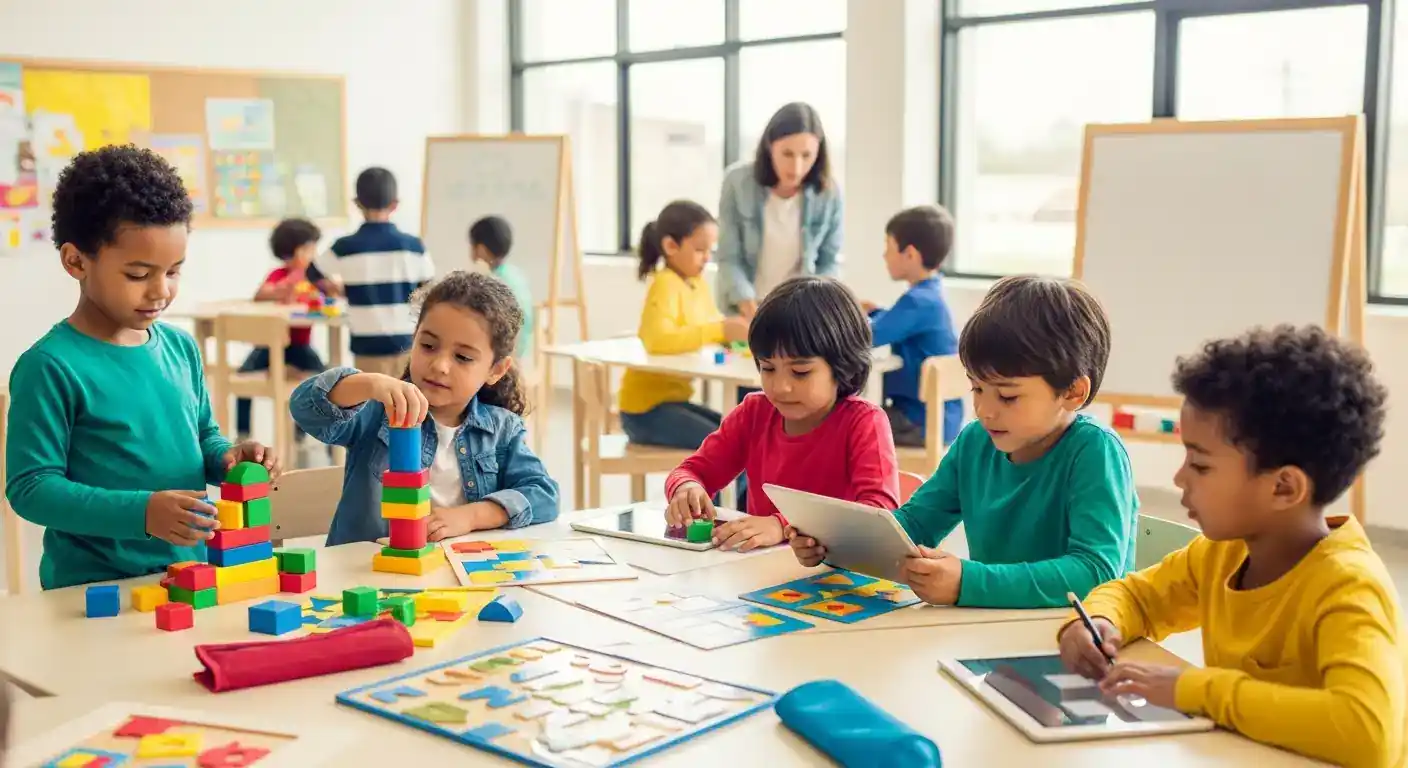
Play is crucial for a child's development, fostering creativity, learning, and social-emotional growth. Through play, children explore the world, develop essential skills, and build a strong foundation for future success. This article delves into the importance of play in child development and offers practical insights for parents and educators.
Key Points:
- Play boosts creativity and problem-solving skills.
- It enhances social-emotional development and communication.
- Play supports physical development and coordination.
- Different types of play offer unique benefits.
- Encouraging play creates a positive learning environment.
The Importance of Play in Early Childhood Development
Play is more than just fun and games; it's a fundamental aspect of a child's growth and learning. Through play, children develop cognitive, physical, and social-emotional skills essential for navigating the world. Playtime provides opportunities for children to experiment, discover, and make sense of their surroundings.
Play and Cognitive Development: Fostering Creativity and Learning
Play is instrumental in fostering creativity and learning. Constructive play, like building with blocks, encourages problem-solving and spatial reasoning. Symbolic play, where children use objects to represent something else, strengthens their imagination and abstract thinking. These activities boost cognitive flexibility and lay the groundwork for academic success.
The Role of Play in Problem-Solving
Engaging in play scenarios allows children to encounter challenges and devise solutions. Whether it's figuring out how to build a taller tower or negotiating roles in a pretend game, play-based learning naturally develops problem-solving abilities. A 2024 study by the National Institute of Child Health and Human Development highlighted the positive correlation between play and improved cognitive function in preschoolers.
Play and Social-Emotional Development: Building Relationships
Play is not just about individual exploration; it's also a crucial avenue for social-emotional development. Through interactions with peers during play, children learn to cooperate, share, and negotiate. Dramatic play, such as role-playing, helps children understand different perspectives and develop empathy.
Play and Emotional Regulation
Play also provides a safe space for children to express and regulate their emotions. Whether they're acting out scenarios or engaging in physical activities, playtime allows children to process feelings and develop emotional intelligence. This is especially important in early childhood, as highlighted in "The Power of Play" (Smith, 2023).
Types of Play and Their Benefits
Different types of play offer unique benefits for child development. Physical play, like running and jumping, develops gross motor skills. Fine motor skills are honed through activities like drawing and puzzles. Unstructured play, where children lead the activity, fosters creativity and independence. Structured play provides opportunities for learning specific skills.
Creating a Playful Learning Environment
Parents and educators play a vital role in creating environments that encourage play. Providing a variety of toys and materials, allowing for unstructured playtime, and joining in the fun can significantly enhance a child's development. Child-led play empowers children and allows them to explore their interests.
Differentiated Content: The Importance of Risky Play and Digital Play
Beyond traditional play concepts, two emerging areas deserve attention: risky play and digital play. Risky play, involving activities with perceived danger like climbing trees (under supervision), fosters resilience and risk assessment. Digital play, encompassing educational apps and games, can offer unique learning opportunities when used mindfully. These emerging trends are discussed in "The Future of Play" (Jones, 2025).
Internal Linking Strategy
- Learn more about assessing child development on our /categories/development-assessment page.
- For related insights, read our article on the-benefits-of-early-childhood-education.
- Explore the connection between play and learning in our article play-based-learning-strategies.
FAQ: Play and Child Development
Q1: How much playtime do children need each day?
A1: While there's no magic number, experts recommend at least 60-90 minutes of unstructured playtime daily, along with opportunities for structured activities.
Q2: What if my child doesn't seem interested in playing?
A2: Try offering different types of play activities, creating a stimulating environment, or joining in the play yourself. If concerns persist, consult a pediatrician or child development specialist.
Q3: How can I balance screen time with other forms of play?
A3: Limit screen time and prioritize active, hands-on play. Choose educational apps and games mindfully and engage in digital play together to maximize learning potential.
Q4: How can I encourage more imaginative play?
A4: Provide open-ended toys like blocks, dolls, and costumes. Read stories together and create opportunities for pretend play. Avoid overly structured activities and allow children to lead the play.
Conclusion: The Power of Play
Play is an invaluable tool for child development, fostering creativity, learning, and social-emotional growth. By understanding its importance and creating supportive environments, we can empower children to reach their full potential. We encourage you to share your experiences and thoughts on the importance of play in the comments below. Subscribe to our newsletter for more insights on child development and learning. For further reading, explore the works of leading experts in the field of child psychology and education.
Future Expansion Topics
- The impact of play on language development
- The role of play in developing resilience
- Cultural variations in play styles