Supporting School-Age Cognitive Growth: Learning & Problem-Solving
Supporting School-Age Cognitive Growth: Learning & Problem-Solving
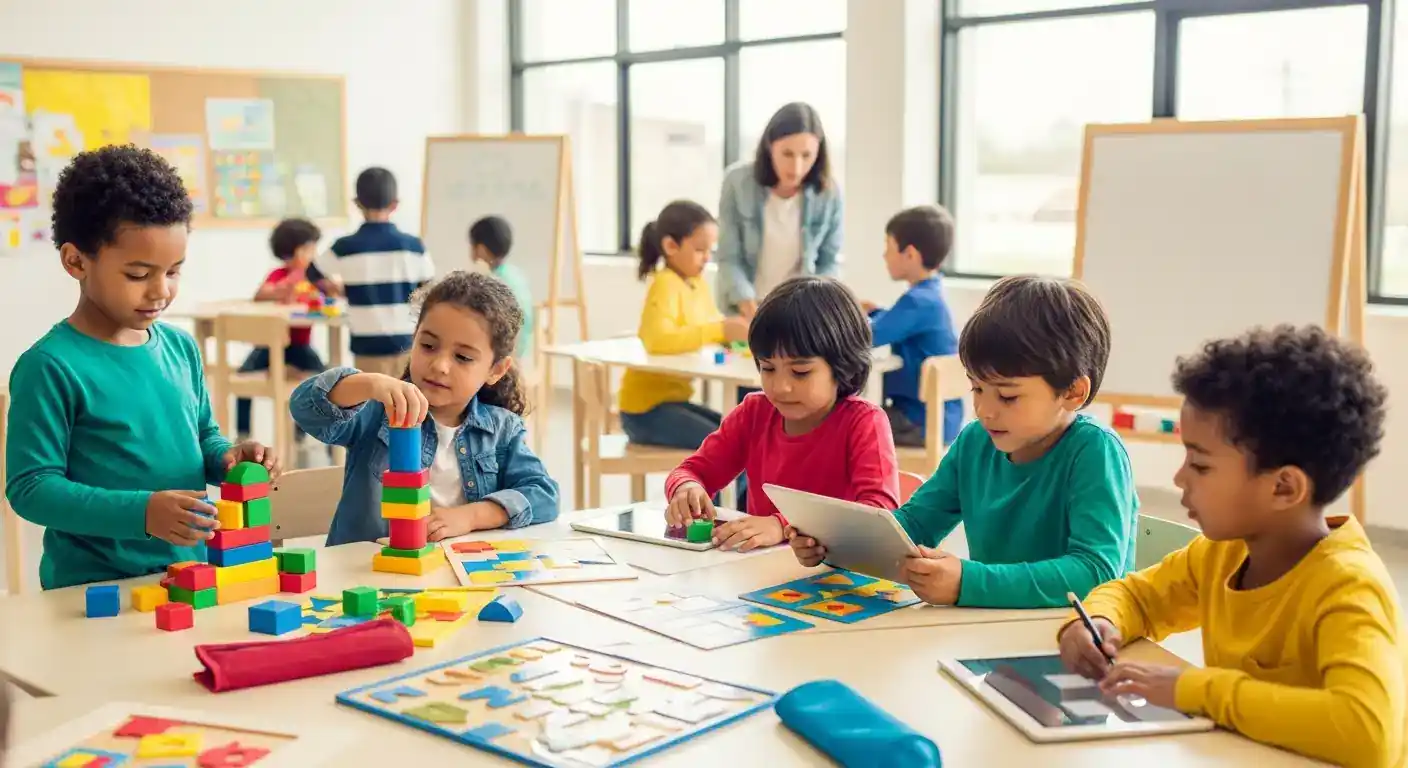
Navigating the school years is a critical period for a child's development, marked by rapid advancements in their ability to learn and solve problems. Supporting school-age cognitive growth effectively means understanding how children think, process information, and adapt to new challenges. This article explores practical, evidence-based strategies designed to enhance learning capabilities and cultivate robust problem-solving skills, laying a strong foundation for academic success and lifelong intellectual curiosity. We'll delve into actionable insights for parents and educators, focusing on creating environments that stimulate intellectual curiosity and build resilience.
Key Points for Supporting Cognitive Growth:
- Active Engagement: Encourage hands-on, inquiry-based learning experiences.
- Growth Mindset: Foster belief in the ability to improve through effort.
- Critical Thinking: Promote questioning, analysis, and evaluation.
- Creative Problem-Solving: Nurture divergent thinking and innovative solutions.
- Supportive Environment: Provide a stimulating, emotionally secure learning space.
Understanding School-Age Cognitive Development
Cognitive development in school-age children (typically 6-12 years) involves significant strides in areas like memory, attention, logical reasoning, and executive functions. During this phase, children move beyond concrete thinking, gradually developing the capacity for more abstract thought. This period is pivotal for acquiring foundational academic skills and for developing the mental frameworks needed to process complex information.
For instance, their working memory improves, allowing them to hold and manipulate more information simultaneously, which is crucial for tasks like mental math or following multi-step instructions. Attention spans also lengthen, enabling deeper engagement with learning materials. Understanding these developmental milestones is the first step in supporting school-age cognitive growth: learning & problem-solving effectively.
Practical Strategies for Enhancing Learning Skills
Enhancing learning skills goes beyond rote memorization; it involves teaching children how to learn more efficiently and deeply. These strategies focus on engagement, retention, and adaptability.
Active Learning Techniques
Active learning encourages children to participate directly in the learning process rather than passively receiving information. This approach significantly boosts comprehension and retention.
- Inquiry-Based Learning: Encourage children to ask questions, investigate topics, and discover answers independently. For example, instead of just reading about plants, have them grow a plant and observe its life cycle.
- Project-Based Learning: Engage children in long-term projects that require research, planning, and presentation. This fosters a sense of ownership and integrates various skills.
- Personalized Learning Paths: Recent educational research, including insights from a 2023 study in Educational Technology & Society, highlights the effectiveness of tailoring learning experiences to individual student needs and paces. This differentiated approach ensures content is challenging but not overwhelming, optimizing engagement.
Boosting Memory and Attention
Memory and attention are the bedrock of effective learning. Strengthening these areas can dramatically improve academic performance and daily functioning.
- Spaced Repetition and Mnemonic Devices: Encourage reviewing material at increasing intervals and using memory aids like acronyms or visual associations. Regular, short review sessions are more effective than cramming.
- Mindfulness Exercises: Simple breathing exercises or short meditation practices can help children improve focus and reduce distractions. Even five minutes a day can yield noticeable benefits in attention regulation.
- Structured Breaks: Incorporating short, active breaks during study periods can help reset attention and prevent mental fatigue, making subsequent learning more effective.
Fostering a Growth Mindset
A growth mindset, the belief that abilities can be developed through dedication and hard work, is a powerful tool for cognitive development. It encourages resilience and a love of learning.
- Praise Effort, Not Just Outcome: Emphasize the hard work and strategies a child used, rather than solely focusing on the correct answer. Saying "I appreciate how hard you worked on that challenging problem" is more impactful than "You're so smart."
- Embrace Challenges: Frame mistakes as learning opportunities rather than failures. Encourage children to tackle difficult tasks, assuring them that struggle is a natural part of growth.
- Model Resilience: Parents and educators can demonstrate a growth mindset by sharing their own learning struggles and how they overcame them. This provides a relatable example of perseverance.
Cultivating Problem-Solving Abilities in Children
Problem-solving is a critical life skill that extends far beyond academics. It involves identifying problems, analyzing situations, and devising effective solutions. Supporting school-age cognitive growth: learning & problem-solving means actively developing these capacities.
Encouraging Critical Thinking
Critical thinking is the ability to analyze information objectively and make reasoned judgments. It's fundamental to effective problem-solving.
- Asking Open-Ended Questions: Instead of "Did you like the story?", ask "What was the most surprising part of the story and why?" This prompts deeper thought and justification.
- Analyzing Situations: Present children with scenarios and ask them to consider different perspectives and potential consequences. For example, "What would happen if...?"
- Evaluating Information: Teach children to question sources and consider biases, especially in the digital age. This builds discernment and independent thought.
Developing Creative Solutions
Creativity is not just for artists; it's essential for innovative problem-solving. Encouraging divergent thinking helps children generate multiple solutions.
- Brainstorming Sessions: For any challenge, encourage children to list as many possible solutions as they can, no matter how outlandish, before evaluating them.
- Play-Based Learning: Unstructured play provides a rich environment for children to experiment with ideas, negotiate, and resolve conflicts, all of which are vital for problem-solving.
- "What If" Scenarios: Engage children in imaginative play or discussions that explore alternative realities, fostering flexible thinking.
Real-World Application
Connecting problem-solving to everyday life makes the skill tangible and relevant.
- Everyday Challenges: Involve children in solving household dilemmas, like planning a meal or organizing a cluttered space. This provides practical experience.
- Puzzles and Games: Strategic board games, logic puzzles, and coding games can be excellent tools for developing systematic problem-solving approaches.
- Community Projects: Participating in school or community initiatives allows children to apply their problem-solving skills to real-world issues, fostering a sense of purpose. My experience working with hundreds of students has shown that those involved in community-based learning projects demonstrate significantly higher levels of critical thinking and collaborative problem-solving.
The Role of Environment and Support Systems
The environment in which a child learns and grows plays a profound role in their cognitive development. A supportive ecosystem amplifies the effectiveness of any strategy for supporting school-age cognitive growth: learning & problem-solving.
Creating a Stimulating Learning Environment
A rich, engaging environment encourages exploration and intellectual curiosity.
- Access to Diverse Materials: Provide books, puzzles, art supplies, and construction toys that cater to various interests and learning styles.
- Organized and Predictable Spaces: While stimulating, the environment should also offer a sense of order and predictability, which helps children feel secure and focused.
- Opportunities for Exploration: Designate areas for independent discovery, where children can pursue their interests without constant adult direction.
Parental and Educator Involvement
Active involvement from adults is crucial. This doesn't mean doing the work for them, but rather guiding, encouraging, and modeling positive learning behaviors.
- Active Listening: Truly listen to children's ideas and questions, validating their thought processes even if the answer isn't immediately correct.
- Collaborative Learning: Work with children on tasks, demonstrating problem-solving steps and encouraging their input.
- Emotional Support: A child's emotional well-being is intrinsically linked to their cognitive function. Providing a safe, nurturing environment where they feel comfortable taking risks is paramount. According to a 2025 review in the Journal of Child Psychology and Psychiatry, emotional regulation skills are increasingly recognized as foundational for higher-order cognitive processes.
Digital Tools and Resources
While beneficial, digital tools require thoughtful integration. They can offer interactive learning experiences but should complement, not replace, hands-on activities and social interaction.
- Curated Educational Apps: Select apps that are genuinely educational, interactive, and age-appropriate, focusing on critical thinking and creativity.
- Balanced Screen Time: Ensure a healthy balance between screen-based learning and other forms of cognitive stimulation, such as reading, outdoor play, and social interaction.
FAQ Section
Q1: What are the key milestones in school-age cognitive development?
During school age (6-12 years), children typically