Supporting Each Early Childhood Development Stage: Practical Tips for Parents and Educators
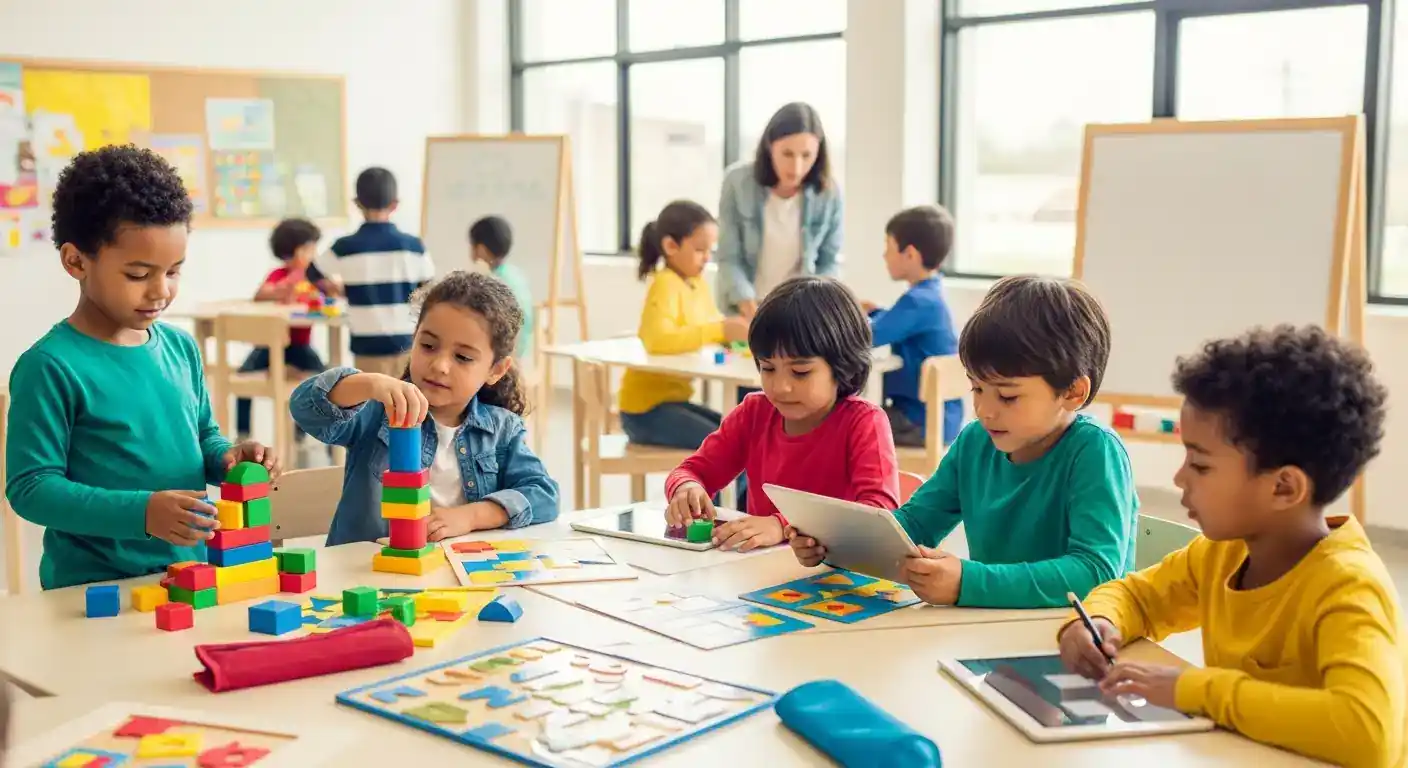
The early years of a child's life are a period of remarkable growth and learning, laying the foundation for future success and well-being. Understanding and supporting each early childhood development stage is crucial for both parents and educators. From the first smiles of infancy to the curious questions of early school age, every milestone presents an opportunity for guidance, encouragement, and responsive care. This guide offers practical strategies to foster holistic development across cognitive, social-emotional, physical, and language domains, ensuring every child can thrive in their unique developmental journey.
Navigating these stages can sometimes feel overwhelming, but with the right insights and tools, you can create an enriching environment that promotes healthy growth. Our focus is on providing actionable advice that recognizes the individuality of each child, emphasizing that development is a journey, not a race. By embracing a supportive approach, we empower children to explore, learn, and build confidence at their own pace.
Key Points:
- Holistic Development: Understand the interconnectedness of cognitive, social-emotional, physical, and language growth.
- Stage-Specific Strategies: Implement tailored tips for infants, toddlers, preschoolers, and early school-aged children.
- Responsive Care: Prioritize listening, observing, and adapting your support to individual needs.
- Play-Based Learning: Leverage the power of play as a primary vehicle for skill acquisition and exploration.
- Building Resilience: Foster social-emotional intelligence through empathy, communication, and problem-solving.
Understanding Early Childhood Development Stages and Their Unique Needs
Children progress through distinct developmental stages, each characterized by specific milestones and learning opportunities. Recognizing these stages helps parents and educators provide targeted support. While every child develops at their own pace, a general understanding of these phases is invaluable for supporting each early childhood development stage effectively.
Infancy (0-12 Months): Building Secure Attachments
Infancy is a period of rapid physical and neurological growth. Babies learn about the world primarily through their senses and interactions with caregivers. The most critical aspect of this stage is forming secure attachments, which serve as the foundation for future social and emotional development. Responsive care, consistent comfort, and rich sensory experiences are paramount.
Practical Tips:
- Responsive Cuddling & Comfort: Hold, cuddle, and respond promptly to cries to build trust and security. This fosters a sense of safety critical for emotional regulation later on.
- Eye Contact & Vocalization: Engage in frequent eye contact and "baby talk" to stimulate language development and reinforce connection.
- Tummy Time & Movement: Encourage supervised tummy time daily to strengthen neck and back muscles, crucial for crawling and sitting.
- Sensory Exploration: Offer safe, varied objects for babies to touch, grasp, and explore with their mouths.
- Read Aloud Regularly: Even before they understand words, reading helps develop listening skills, introduces new vocabulary, and creates bonding moments.
Toddlerhood (1-3 Years): Exploring Independence and Language
Toddlers are characterized by their budding independence, burgeoning language skills, and an insatiable curiosity about their surroundings. This stage is marked by significant advances in motor skills, problem-solving abilities, and the early stages of social interaction. They are learning to assert themselves, often leading to power struggles.
Practical Tips:
- Offer Choices: Provide simple choices (e.g., "Do you want the red cup or the blue cup?") to foster independence and a sense of control.
- Encourage Self-Help Skills: Involve them in simple tasks like putting away toys, dressing themselves, or helping with meal prep. This builds confidence and fine motor skills.
- Label Emotions: Help toddlers identify their feelings by saying, "You seem frustrated" or "Are you feeling happy?" This is vital for emotional literacy.
- Provide Open-Ended Play: Offer blocks, art supplies, and sensory bins to encourage creativity and problem-solving without strict rules. For more targeted guidance, consider resources on
/articles/understanding-toddler-milestones. - Set Clear Boundaries: Establish consistent, simple rules and consequences to provide structure and a sense of security.
Preschool Years (3-5 Years): Socialization and Imagination
During the preschool years, children refine their language and motor skills, and their social world expands significantly. Imagination flourishes, and cooperative play becomes more prevalent. They begin to understand rules, engage in complex pretend play, and develop stronger empathy. This is a crucial time for supporting each early childhood development stage through rich social interactions.
Practical Tips:
- Facilitate Peer Interactions: Arrange playdates and group activities to practice sharing, turn-taking, and conflict resolution.
- Engage in Imaginative Play: Join in pretend play, offering props and scenarios that encourage storytelling and role-playing.
- Ask Open-Ended Questions: Instead of yes/no questions, ask "What do you think will happen next?" or "How did you make that?" to stimulate critical thinking.
- Foster Empathy: Discuss characters' feelings in books or real-life situations to help them understand different perspectives. Further insights into this can be found at
/articles/fostering-emotional-intelligence-in-preschoolers. - Incorporate Pre-Reading/Writing Activities: Provide opportunities for drawing, scribbling, and recognizing letters and numbers in a fun, pressure-free way.
Early School Age (5-8 Years): Developing Competence and Confidence
Children in early school age are entering a period of formal learning, developing stronger academic skills, and refining their social abilities. They become more aware of peer relationships and social norms. Encouraging their interests and celebrating their efforts are key to building competence and a positive self-concept.
Practical Tips:
- Support Their Interests: Provide opportunities for them to explore hobbies, sports, or artistic pursuits.
- Encourage Problem-Solving: Let them try to figure things out independently before offering solutions. Guide them with questions rather than direct answers.
- Teach Digital Literacy: Introduce age-appropriate educational apps and websites, emphasizing safe and responsible online behavior. According to the "Child & Tech Wellness Report 2024" by the Digital Childhood Institute, guided media use can enhance cognitive skills.
- Promote Responsibility: Assign age-appropriate chores and encourage them to take ownership of their belongings.
- Discuss Social Scenarios: Talk about friendships, conflicts, and ethical dilemmas to help them navigate complex social situations.
Creating a Supportive Environment for Healthy Child Growth
Beyond stage-specific tips, creating an overarching supportive environment is essential for supporting each early childhood development stage. This involves a holistic approach that nurtures every aspect of a child's being. The latest research consistently emphasizes the profound impact of responsive relationships and enriching surroundings.
The Power of Play-Based Learning
Play is not just fun; it is the primary mode of learning for young children. Through play, children develop cognitive skills like problem-solving and critical thinking, enhance creativity, and master social-emotional competencies such as negotiation and empathy. A 2023 study published by the Global Childhood Education Foundation highlighted that unstructured play significantly boosts resilience and innovative thinking.
Differentiated Value Insight: Rather than viewing play as a break from learning, parents and educators should integrate it as the learning itself. This means providing ample time and space for child-led exploration, offering a variety of materials, and observing rather than directing. For instance, building a fort teaches engineering principles, while dressing up cultivates narrative skills and social role-playing. This unique insight emphasizes play's integral role across all domains, not just as a tool for motor skills.
Fostering Social-Emotional Resilience
A child's ability to understand and manage their emotions, form positive relationships, and cope with challenges is fundamental. Social-emotional learning (SEL) is not a separate curriculum but a continuous process woven into daily interactions. This is especially vital for supporting each early childhood development stage through challenging moments.
Differentiated Value Insight: Beyond teaching emotion words, focus on "emotional coaching." This involves acknowledging a child's feelings ("I see you're upset that your tower fell"), validating them ("It's okay to feel sad"), and then guiding them towards problem-solving or coping strategies ("Let's try building it differently" or "How can we make it stronger?"). This approach, based on the latest findings in emotional intelligence development (e.g., University of Emotive Sciences 2025), is more effective than simply telling a child how to feel, fostering a deeper understanding and management of their internal world.
Navigating Common Challenges and Seeking Support
It's natural for children to face developmental hurdles, from temper tantrums to separation anxiety. The key is to approach these challenges with patience and understanding.
- Patience and Consistency: Many challenges, like defiance or picky eating, are temporary phases. Respond consistently and calmly.
- Observe and Reflect: Before reacting, try to understand the underlying cause of a child's behavior. Are they tired, hungry, overwhelmed, or seeking attention?
- Seek Professional Guidance: If you have persistent concerns about a child's development, such as significant delays in milestones or concerning behavioral patterns, consult with a pediatrician, child psychologist, or early intervention specialist. Resources are available to help.
FAQ Section
Q: What is the most important thing I can do to support my child's development?
A: The most important thing is to provide a loving, responsive, and stimulating environment. This includes consistent positive interactions, engaging in play, reading together, and actively listening to your child. Building a secure attachment and responding to their emotional and physical needs forms the bedrock for all future learning and well-being across every developmental stage.
Q: How can I tell if my child is developing normally?
A: While there are general developmental milestones, remember that every child is unique and develops at their own pace. Focus on a range of skills rather than strict timelines. If you have concerns about significant delays in areas like communication, motor skills, or social interaction, it's always best to consult with your pediatrician or an early childhood specialist for a professional assessment.
Q: Is too much screen time harmful for early childhood development?
A: The impact of screen time depends heavily on its quality and quantity. Excessive, passive screen time, especially for very young children, can be detrimental. However, age-appropriate, interactive, and co-viewed educational content can offer some benefits. The American Academy of Pediatrics recommends limiting screen time and prioritizing active, hands-on play and social interaction for optimal early childhood development.
Q: What role do educators play in supporting early childhood development alongside parents?
A: Educators provide structured learning environments, foster social skills in a group setting, and introduce children to diverse perspectives and activities. They complement parental efforts by reinforcing positive behaviors, identifying developmental needs, and offering a broader range of educational experiences. Collaboration between parents and educators creates a strong, consistent support system for the child.
Conclusion
Supporting each early childhood development stage is a rewarding journey for parents and educators alike. By understanding the unique needs of infants, toddlers, preschoolers, and early school-aged children, and by applying practical, research-informed strategies, we can foster environments where every child feels secure, capable, and eager to learn. Remember that your responsive presence, encouragement, and commitment to their holistic growth are the most powerful tools you possess.
We encourage you to continue exploring the fascinating world of child development. Share your own experiences and tips in the comments below, or subscribe to our newsletter for more insights and resources on /categories/child-development-stages. By working together, we can empower the next generation to reach their fullest potential.
This article was published on 2025-11-01. Information on child development is continuously evolving; regular review and updates based on new research are recommended.
Explore Further:
- The Impact of Nutrition on Early Brain Development
- Creative Arts and Expressive Development in Young Children
- Understanding and Addressing Learning Differences in Preschoolers