Supporting Children's Social Development: Building Healthy Relationships
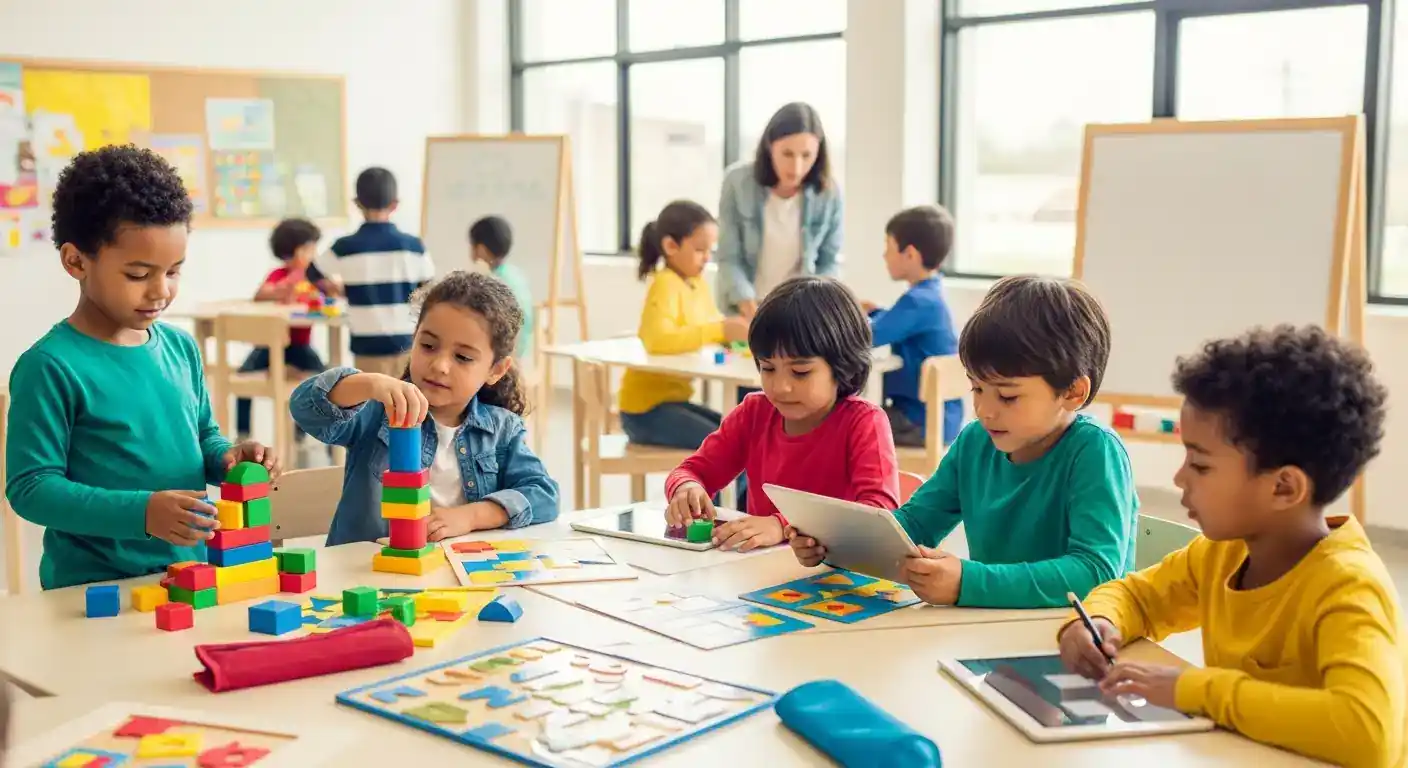
A child's social development is crucial for their overall well-being. Building healthy relationships helps children develop emotional intelligence, navigate social situations, and build a strong sense of self. This guide provides practical strategies to support your child's social development and foster positive relationships.
Key Points:
- Empathy: Teach children to understand and share the feelings of others.
- Communication: Encourage open and honest communication.
- Conflict Resolution: Equip children with skills to navigate disagreements peacefully.
- Positive Role Modeling: Demonstrate healthy relationship behaviors.
- Social Opportunities: Provide opportunities for social interaction.
Building Healthy Relationships: A Foundation for Social Development
Supporting children's social development is a continuous journey. By focusing on building healthy relationships, parents and caregivers can equip children with essential life skills. These skills enable them to form positive connections, manage emotions effectively, and thrive in social settings.
Nurturing Social Development Through Healthy Relationships
Early childhood is a critical period for social development. Children learn by observing and interacting with others, especially their parents and caregivers. Positive role modeling is vital for demonstrating healthy relationship dynamics. This includes showing respect, empathy, and effective communication.
Creating opportunities for social interaction is equally important. Playdates, group activities, and family gatherings provide children with valuable experiences to practice social skills. These experiences help them learn to cooperate, share, and negotiate with others.
Fostering Empathy and Emotional Intelligence in Children
Teaching children to understand and manage their emotions is key to building healthy relationships. Encourage children to identify and label their feelings, and help them develop strategies for coping with difficult emotions like anger or frustration.
Furthermore, fostering empathy is crucial for building strong relationships. Encourage children to consider other people's perspectives and feelings. Reading stories about different emotions and discussing real-life scenarios can help children develop their emotional intelligence.
Enhancing Communication Skills for Healthy Relationships
Open and honest communication is the cornerstone of any healthy relationship. Create a safe space for children to express their thoughts and feelings without judgment. Actively listen to their concerns and validate their emotions. Teach them how to express themselves assertively and respectfully.
Supporting Children's Social Development Through Conflict Resolution
Conflict is an inevitable part of any relationship. Equip children with the skills to navigate disagreements peacefully. Teach them conflict resolution strategies like active listening, compromise, and finding win-win solutions. Guide them through the process of understanding different perspectives and working towards a resolution.
Differentiated Approaches to Supporting Children's Social Development
While traditional methods focus on social skills training, recent research emphasizes the importance of fostering a growth mindset. Encourage children to view social challenges as opportunities for learning and growth rather than setbacks. This empowers them to develop resilience and adapt to various social situations. Another key aspect is incorporating mindfulness practices. Teaching children to be present and aware of their emotions can significantly enhance their social interactions and relationships. This approach has shown promising results in improving children’s emotional regulation and social competence, as highlighted in a 2024 study published in the Journal of Child Development.
According to a 2023 report by the American Psychological Association, children who receive consistent support in developing their social-emotional skills are more likely to succeed academically and build stronger relationships throughout their lives. Another 2025 study in Child Development Perspectives emphasized the long-term benefits of early intervention in supporting children’s social-emotional learning.
Internal Linking Suggestions:
- Anchor Text: emotional intelligence; Target: /articles/understanding-emotional-intelligence-in-children; Type: Related Article
- Anchor Text: positive role modeling; Target: /articles/the-power-of-positive-role-modeling-in-parenting; Type: Related Article
- Anchor Text: Parent-Child Relationship Building; Target: /categories/parent-child-relationship; Type: Category
Frequently Asked Questions about Children's Social Development
Q1: How can I help my shy child develop social skills?
A1: Create opportunities for gradual exposure to social situations. Start with small playdates and gradually increase the group size. Encourage your child to participate in activities they enjoy, which can boost their confidence. Celebrate small successes and offer positive reinforcement.
Q2: What are the signs of social development delays?
A2: Some signs might include difficulty interacting with peers, limited communication skills, trouble understanding social cues, and frequent emotional outbursts. If you have concerns, consult a pediatrician or child psychologist for professional guidance.
Q3: How can I teach my child to share and cooperate?
A3: Model sharing behavior yourself and praise your child when they share. Use games and activities that encourage cooperation. Explain the benefits of sharing and how it helps build positive relationships.
Q4: At what age should I start focusing on my child's social development?
A4: Social development begins in infancy. Early interactions with caregivers lay the foundation for future relationships. Continue to nurture and support their social skills throughout childhood.
Conclusion: Nurturing a Brighter Future
Supporting children's social development and building healthy relationships is an investment in their future. By providing a nurturing and supportive environment, we empower children to thrive socially, emotionally, and academically. Share your experiences and insights in the comments below! Subscribe to our newsletter for more parenting tips. For further reading on this topic, explore resources from reputable organizations specializing in child development.
Expandable Subtopics for Future Updates:
- The impact of technology on children's social development.
- Strategies for supporting children with special needs in social settings.
- Building cross-cultural understanding and social competence.