Supporting Children's Emotional Well-being While Addressing Learning Difficulties at Home
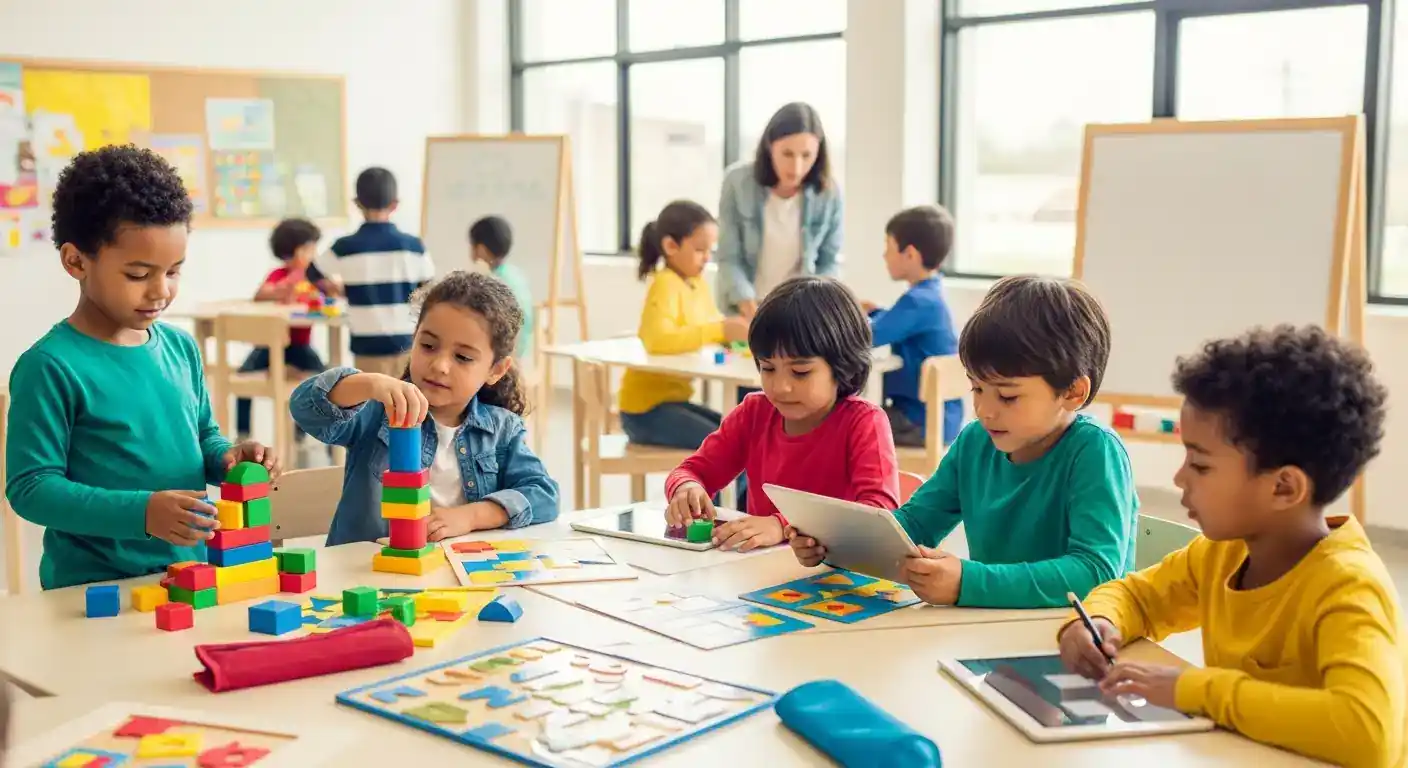
Navigating the complexities of supporting children's emotional well-being while addressing learning difficulties at home can feel like a daunting task for many parents. It's a delicate balance, where academic progress must not come at the cost of a child's mental and emotional health. This comprehensive guide offers practical, empathetic strategies to create a home environment that fosters both academic growth and emotional resilience. We understand that a child's struggles with learning often manifest as frustration, anxiety, or low self-esteem, making a supportive, understanding approach paramount. By integrating emotional support with targeted learning strategies, parents can empower their children to overcome challenges and thrive.
Key Points for Supporting Children at Home:
- Empathy First: Prioritize understanding your child's feelings and perspective.
- Open Communication: Foster a safe space for expressing frustrations and fears.
- Tailored Strategies: Adapt learning methods to fit individual needs and strengths.
- Celebrate Progress: Acknowledge and praise effort, not just outcomes.
- Seek Support: Know when and how to involve professionals for additional help.
The Interplay: Understanding Emotions and Learning Challenges
When a child faces learning difficulties, the impact extends far beyond the classroom. Their emotional world can become turbulent, marked by feelings of inadequacy, frustration, or even shame. Supporting children's emotional well-being becomes foundational when addressing these challenges, as a child's emotional state directly influences their ability to learn and engage. Ignoring the emotional aspect can exacerbate learning struggles, creating a negative feedback loop that is hard to break.
Recognizing the emotional toll of learning difficulties is the first step toward effective intervention. Children might exhibit withdrawal, increased irritability, or a reluctance to engage in schoolwork. Some may even develop anxieties about school or testing, impacting their sleep and overall mood. It's crucial for parents to observe these signs carefully and understand that they are often a cry for help, not defiance. Early recognition of these emotional indicators can significantly impact a child's long-term outlook.
Creating a Nurturing Home Environment for Learning and Growth
A positive and supportive home environment is a powerful buffer against the stress of learning difficulties. It's not just about setting up a quiet study space; it's about building an atmosphere of acceptance, patience, and encouragement. This involves thoughtful interactions and structured routines that instill a sense of security and predictability. A stable emotional foundation allows children to feel safe enough to take risks, make mistakes, and ultimately learn.
Fostering open communication and emotional expression is vital. Children need to know that their feelings are valid and that they have a safe space to share their frustrations without judgment. Actively listen to their concerns, acknowledge their struggles, and validate their emotions. You might say, "I see you're feeling really frustrated with this math problem, and it's okay to feel that way." This simple act of validation can significantly reduce feelings of isolation and build trust within the parent-child relationship.
Establishing routines and predictability helps children with learning challenges feel more secure and in control. A consistent schedule for homework, meals, and free time can reduce anxiety and create a sense of order. When children know what to expect, they can better prepare themselves emotionally and mentally for tasks. Visual schedules or checklists can be particularly effective tools for younger children or those with organizational challenges, promoting independence and reducing conflict.
Practical Strategies for Addressing Learning Difficulties with Empathy
When it comes to addressing learning difficulties at home, the approach must be gentle, personalized, and infused with empathy. Pushing too hard or focusing solely on deficits can be counterproductive, eroding a child's self-esteem and creating further resistance. Instead, focus on building their strengths and finding creative ways to tackle challenging areas. This helps in supporting children's emotional well-being throughout the learning process.
Tailoring learning approaches to individual needs is paramount. There isn't a one-size-fits-all solution for learning difficulties. Some children thrive with hands-on activities, others with visual aids, and some with auditory explanations. Experiment with different methods to discover what resonates best with your child's learning style. For instance, if a child struggles with reading, using audiobooks alongside physical books can enhance comprehension and enjoyment. This adaptive approach shows children that their unique way of learning is understood and valued. According to a 2024 study published in the Journal of Educational Psychology, personalized learning interventions significantly improve academic outcomes and emotional resilience in children with learning disabilities.
Celebrating small victories and building confidence is a cornerstone of this approach. Break down larger tasks into smaller, manageable steps, and celebrate the completion of each one. Instead of waiting for perfect scores, praise effort, perseverance, and improvement. "I noticed you kept trying on that problem even when it was tough, that's incredible perseverance!" Such affirmations help children recognize their capabilities and build a positive self-image. Focusing on progress, not perfection, cultivates a growth mindset, which is essential for overcoming academic hurdles.
Differentiated Content: Proactive Emotional Resilience
Beyond simply addressing immediate emotional reactions, a proactive approach to building emotional resilience is critical. This involves teaching children coping mechanisms and problem-solving skills before they reach a breaking point. For example, practicing mindfulness exercises for a few minutes before starting homework can help calm anxiety and improve focus. Engaging in open discussions about "brain mistakes" and "learning how our brains work" can normalize struggles and reduce self-blame. This empowers children with the tools to manage their emotions independently, not just react to them.
When and How to Seek Professional Support
While parents are key in supporting children's emotional well-being while addressing learning difficulties at home, there are times when professional intervention is necessary. Recognizing these moments and knowing how to navigate the system is crucial for optimal outcomes. Delaying professional help can prolong a child's struggles and further impact their emotional health.
Navigating educational and therapeutic resources can be complex, but several avenues exist. Start by consulting with your child's teacher or school counselor, who can offer insights and potentially recommend school-based assessments or interventions. Pediatricians can also be a valuable first point of contact, offering referrals to specialists such as educational psychologists, occupational therapists, or child therapists. These professionals can provide formal diagnoses, personalized intervention plans, and emotional support strategies tailored to your child's specific needs. Early diagnosis and intervention often lead to better long-term academic and emotional adjustments, as highlighted by the American Academy of Pediatrics in their 2023 guidelines on developmental screening.
Parental Well-being: A Foundation for Family Support
It's vital for parents to remember that their own emotional well-being plays a significant role in their ability to support their children. The journey of supporting children's emotional well-being while addressing learning difficulties at home can be emotionally exhausting. If parents are stressed, overwhelmed, or burnt out, it becomes challenging to provide the consistent, empathetic support their children need. Taking time for self-care, seeking your own support network, and practicing emotional regulation are not luxuries but necessities.
Remember that you are not alone in this journey. Connecting with other parents facing similar challenges can provide invaluable emotional support and practical advice. There are numerous online forums, local support groups, and community resources available. Prioritizing your mental health allows you to be a more patient, present, and effective parent, ultimately creating a more harmonious and supportive home environment for everyone. Research from the National Institute of Mental Health (2025 update) emphasizes the strong correlation between parental mental health and positive child development outcomes.
Frequently Asked Questions
Q: How can I tell if my child's learning difficulties are affecting their emotional well-being?
A: Look for signs like increased irritability, withdrawal from activities they once enjoyed, frequent meltdowns, reluctance to do homework, complaints of headaches or stomach aches, changes in sleep patterns, or expressing feelings of being "dumb" or "stupid." These indicators suggest that the learning challenges are having an emotional impact.
Q: What are some common mistakes parents make when helping with learning difficulties?
A: Common mistakes include focusing solely on academic deficits without addressing emotional impact, comparing the child to siblings or peers, over-scheduling with tutors, showing frustration, or assuming a lack of effort. These approaches can inadvertently undermine a child's confidence and willingness to engage.
Q: How can I encourage my child to talk about their frustrations with school?
A: Create a safe, non-judgmental space by listening actively without immediately offering solutions. Use "I statements" (e.g., "I notice you seem quiet after school, is everything okay?"). Validate their feelings and let them know it's normal to feel frustrated. Regular, informal check-ins can also open lines of communication more effectively than formal interrogations.
Q: Is it possible to address learning difficulties without causing emotional stress?
A: While some level of challenge and associated frustration is normal in learning, it is absolutely possible to mitigate excessive emotional stress. This requires a balanced approach that prioritizes emotional safety, employs tailored teaching strategies, celebrates effort over outcome, fosters resilience, and ensures open communication. The goal is to make learning a supportive, not stressful, experience.
Conclusion
Supporting children's emotional well-being while addressing learning difficulties at home is a journey that demands patience, empathy, and consistent effort. By fostering a nurturing environment, employing tailored learning strategies, and prioritizing open communication, parents can empower their children to navigate their challenges with confidence and resilience. Remember, your child's emotional health is just as important as their academic progress.
We encourage you to explore these strategies and find what works best for your family. Share your own experiences in the comments below, or connect with us on social media! For further guidance on building strong family bonds, consider exploring our /categories/parent-child-relationship section. You might also find our article on /articles/effective-communication-strategies-for-parents-and-children helpful in enhancing your family interactions.
Extended Reading Suggestions for Future Updates:
- Specific learning disabilities (e.g., dyslexia, ADHD) and emotional support.
- Leveraging technology in supportive home learning environments.
- Advocacy strategies for parents within the school system.