Supporting Children's Emotional Development: A Guide for Parents
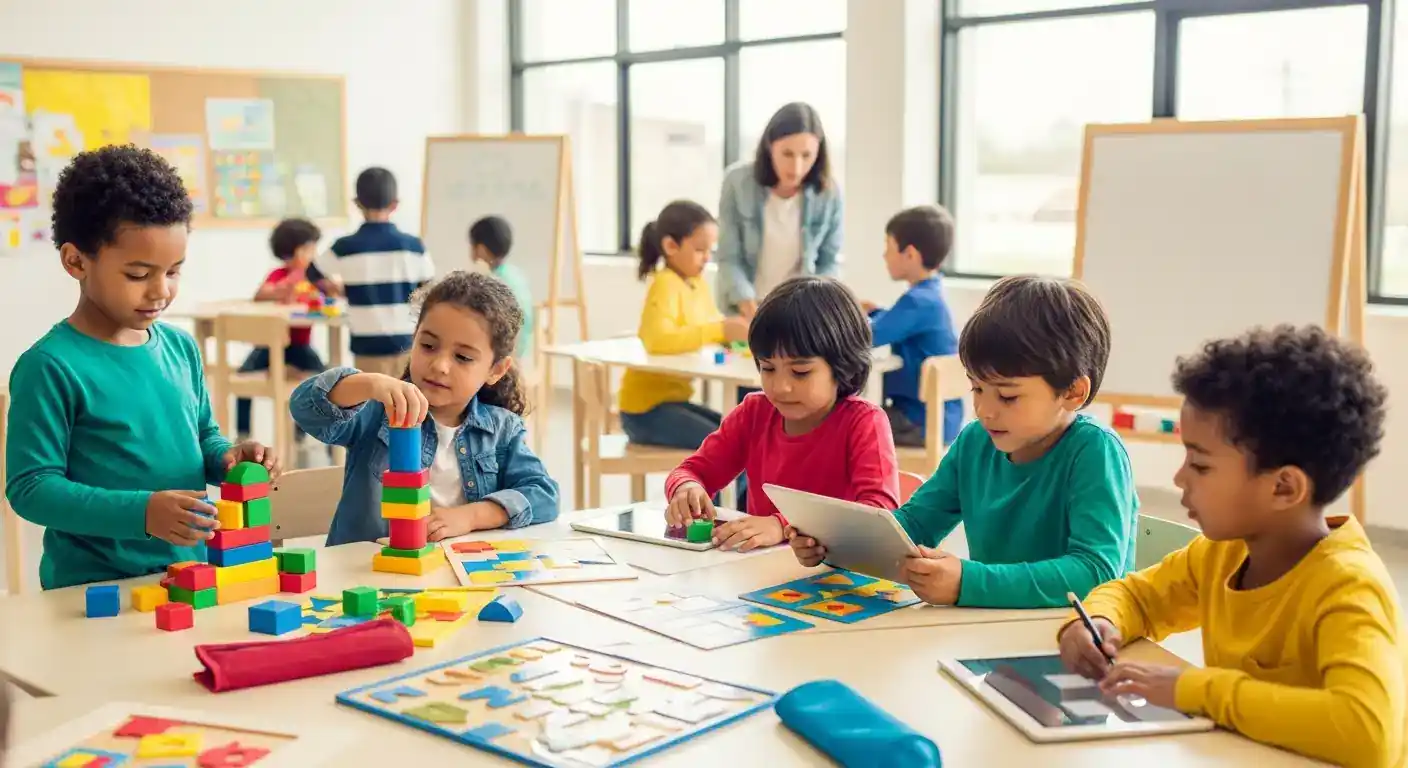
A child's emotional development is crucial for their overall well-being and future success. This guide provides parents with practical strategies and expert advice on supporting their children's emotional growth. Understanding and nurturing these skills will equip children to navigate life's challenges and build strong, healthy relationships.
Key Points:
- Understanding emotional milestones
- Practical strategies for supporting emotional growth
- Fostering empathy and emotional intelligence
- Addressing challenging behaviors
- Seeking professional support when needed
Understanding Children's Emotional Development Stages
Children's emotional development unfolds in stages, influenced by both nature and nurture. Early childhood is a critical period for developing fundamental emotional skills like recognizing and labeling emotions. As children grow, they develop more complex emotions like empathy and learn to regulate their emotional responses. Providing consistent support and guidance during these formative years is essential. A 2024 study published in the Journal of Child Development highlighted the importance of early intervention in fostering emotional resilience.
Fostering Emotional Intelligence in Children
Emotional intelligence, the ability to understand and manage one's own emotions and empathize with others, is a key aspect of children's emotional development. Parents can nurture emotional intelligence by:
- Modeling healthy emotional expression: Showing children how to manage anger, sadness, and frustration constructively.
- Validating children's feelings: Acknowledging and accepting their emotions, even if you don't agree with their behavior.
- Encouraging emotional literacy: Helping children identify and label their emotions and the emotions of others.
- Teaching problem-solving skills: Empowering children to find solutions to emotionally challenging situations.
Supporting Children's Emotional Development through Play and Communication
Play provides a safe space for children to explore emotions and develop social skills. Engage in activities like role-playing and storytelling to help children understand different perspectives and build empathy. Open and honest communication is also vital. Create a supportive environment where children feel comfortable expressing their thoughts and feelings without judgment. A 2023 report by the Child Mind Institute emphasized the crucial role of parent-child communication in supporting mental well-being.
Addressing Challenging Behaviors and Seeking Professional Support
Challenging behaviors, such as tantrums and aggression, are often a sign that a child is struggling emotionally. Understanding the underlying cause of the behavior is key to addressing it effectively. Positive discipline strategies, focusing on teaching and guiding rather than punishing, can be particularly effective. If you're concerned about your child's emotional well-being, don't hesitate to seek professional support. A child psychologist or therapist can provide guidance and support tailored to your child's specific needs. According to a 2025 article in Psychology Today, early intervention for emotional challenges can significantly improve long-term outcomes.
Differentiated Content:
- Focus on Neurodiversity: This guide acknowledges the diverse ways children experience and express emotions, particularly for neurodivergent children. Recognizing individual differences is crucial for providing tailored support.
- Incorporating Mindfulness: This guide emphasizes the importance of mindfulness practices in supporting children's emotional regulation. Teaching children simple breathing exercises and mindful awareness techniques can help them manage stress and difficult emotions.
Internal Linking Strategy:
- Learn more about developmental milestones on our /categories/development-assessment page.
- For further insights into positive parenting techniques, read our article on /articles/positive-parenting-techniques-for-toddlers.
- Explore strategies for fostering resilience in children in our article on /articles/building-resilience-in-children.
FAQ: Supporting Children's Emotional Development
Q1: How can I help my child deal with anger?
A1: Validate their feelings, teach them calming techniques like deep breathing, and help them identify healthy ways to express their anger, such as talking about it or engaging in physical activity. Avoid dismissing their anger or punishing them for feeling it.
Q2: At what age should I start teaching my child about emotions?
A2: You can start teaching children about emotions from infancy. Label your own emotions and their emotions as they experience them. Use simple words and picture books to help them understand different emotional states.
Q3: What are some signs that my child may need professional help with their emotional development?
A3: Persistent sadness, withdrawal, difficulty regulating emotions, frequent outbursts, changes in sleep or appetite, and difficulty concentrating can all be signs that a child may benefit from professional support.
Q4: How can I support my child's emotional development during challenging times like divorce or a death in the family?
A4: Provide honest and age-appropriate information, create a safe space for them to express their feelings, maintain consistent routines, and seek professional support if needed. Reassure them that their feelings are valid and that you are there for them.
Conclusion: Nurturing Emotional Well-being
Supporting children's emotional development is an ongoing journey. By providing a nurturing and supportive environment, parents can empower their children to develop the emotional skills they need to thrive. Remember to be patient, understanding, and consistent in your approach. Share your own experiences and insights in the comments below. Subscribe to our newsletter for more parenting tips and resources. For further reading on this topic, explore resources from the American Psychological Association. We recommend updating this article annually to reflect new research and best practices in child development.
Expandable Subtopics for Future Updates:
- The impact of technology on children's emotional development.
- Supporting children's emotional development in diverse cultural contexts.
- The role of schools in fostering emotional well-being.