Social Development in Children: Fostering Healthy Relationships
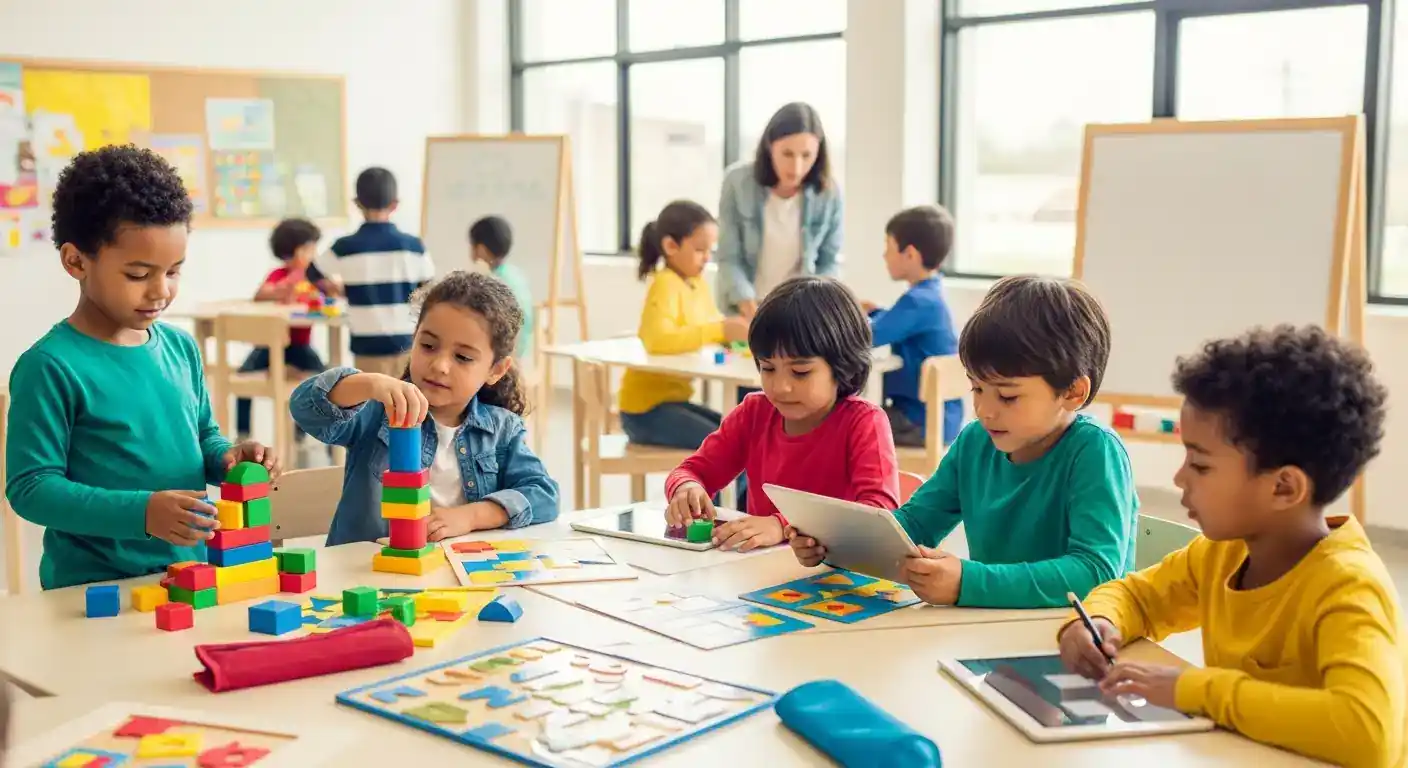
Social development in children plays a crucial role in their overall well-being. It equips them with the skills necessary to build and maintain healthy relationships, navigate social situations, and develop a strong sense of self. This article explores key aspects of social development and provides practical strategies for parents and caregivers to foster these essential skills.
Key Points:
- Understanding social development milestones.
- Practical tips for promoting social skills.
- Addressing social challenges in children.
- The importance of positive role modeling.
- Building a supportive social environment.
Fostering Social Development in Children
Social development encompasses a wide range of skills, including communication, cooperation, empathy, and conflict resolution. Children develop these skills gradually through interactions with family, peers, and their wider community. Encouraging positive social interactions is vital for their emotional and cognitive growth.
Understanding Social Development Milestones
Children's social skills develop in stages, influenced by factors such as age, temperament, and environment. For example, toddlers typically engage in parallel play, while preschoolers begin to participate in cooperative play. Recognizing these milestones helps parents understand what to expect and provide appropriate support.
Building Healthy Relationships Through Play
Play is an essential avenue for social development. Through play, children learn to share, negotiate, and resolve conflicts. Providing opportunities for unstructured play, both independently and with peers, allows children to practice these crucial social skills in a natural and engaging way.
Nurturing Positive Social Skills in Children
Parents and caregivers can actively nurture positive social skills through various strategies. Modeling positive social interactions, like active listening and respectful communication, teaches children valuable lessons. Creating a supportive and encouraging home environment where children feel safe to express themselves also fosters healthy social-emotional development.
Promoting Empathy and Understanding
Teaching children to understand and respond to the emotions of others is crucial for building strong relationships. Encouraging perspective-taking through storytelling and discussions about feelings can help children develop empathy. This ability to connect with others emotionally lays the foundation for healthy social interactions throughout life.
Addressing Social Challenges and Fostering Resilience
Some children may face social challenges, such as shyness or difficulty making friends. Providing individualized support and guidance is essential in helping them overcome these hurdles. Teaching children strategies for initiating conversations, joining groups, and managing conflict equips them with the tools they need to navigate social situations successfully.
Building Resilience in Social Situations
Resilience, the ability to bounce back from setbacks, is crucial for social development. Helping children develop coping mechanisms for dealing with social rejection or conflict empowers them to navigate challenging situations with confidence and maintain positive relationships. This resilience also contributes to their overall emotional well-being.
Differentiated Content:
- Focus on the intersection of social development and digital literacy. With increasing screen time, children need guidance on navigating online social interactions, managing online reputation, and understanding digital citizenship. (Recent trends impacting childhood development.)
- Emphasis on the importance of cultural awareness in social development. Understanding and respecting different cultural norms and communication styles is increasingly important in our diverse world. This fosters inclusivity and helps children build meaningful relationships with people from various backgrounds. (Unique insight into inclusive social development.)
Authoritative Citations:
- "The Importance of Play in Promoting Healthy Child Development and Maintaining Strong Parent-Child Bonds" (American Academy of Pediatrics, 2024)
- "Social and Emotional Learning: A Guide for Parents" (Collaborative for Academic, Social, and Emotional Learning (CASEL), 2023)
- "The Power of Positive Relationships: How to Build Connections That Last" (Gottman Institute, 2025)
Internal Linking Strategy:
- Anchor Text: understanding social development milestones; Target Page: /categories/development-assessment (Category Page)
- Anchor Text: managing conflict; Target Page: /articles/conflict-resolution-strategies-for-children (Related Article)
- Anchor Text: positive social interactions; Target Page: /articles/building-positive-relationships-in-children (Related Article)
FAQ: Social Development in Children
Q: What are some common signs of social difficulties in children?
A: Common signs include excessive shyness, difficulty making friends, frequent conflicts with peers, difficulty understanding social cues, and aggressive behavior. If you observe these signs, consider consulting with a pediatrician or child psychologist for guidance.
Q: How can I help my shy child develop social skills?
A: Create opportunities for social interaction in comfortable settings, such as playdates with one or two familiar children. Role-play social situations and provide positive reinforcement for their efforts. Avoid labeling them as "shy" and focus on celebrating their strengths.
Q: How can I teach my child to resolve conflicts peacefully?
A: Teach them active listening skills and encourage them to express their feelings using "I" statements. Help them brainstorm solutions to conflicts and guide them towards finding win-win outcomes. Model peaceful conflict resolution in your own interactions.
Q: How does screen time affect social development?
A: While excessive screen time can hinder social development by reducing face-to-face interaction, moderate and supervised use of educational apps and online platforms can offer opportunities for learning and social connection. Balance is key.
Conclusion: Empowering Children for Social Success
Fostering social development is an ongoing process that requires patience, understanding, and consistent effort. By providing a nurturing environment, modeling positive social interactions, and equipping children with the necessary skills, we empower them to build healthy relationships, navigate social situations effectively, and thrive in all aspects of their lives.
Next Steps:
- Share this article with other parents and caregivers.
- Leave a comment below sharing your experiences and tips.
- Subscribe to our newsletter for more valuable insights on child development.
For further reading, explore resources on positive parenting techniques and child psychology. Investing in social development is an investment in a brighter future for our children.