Promoting Positive Behavior in Children: Evidence-Based Techniques and Strategies
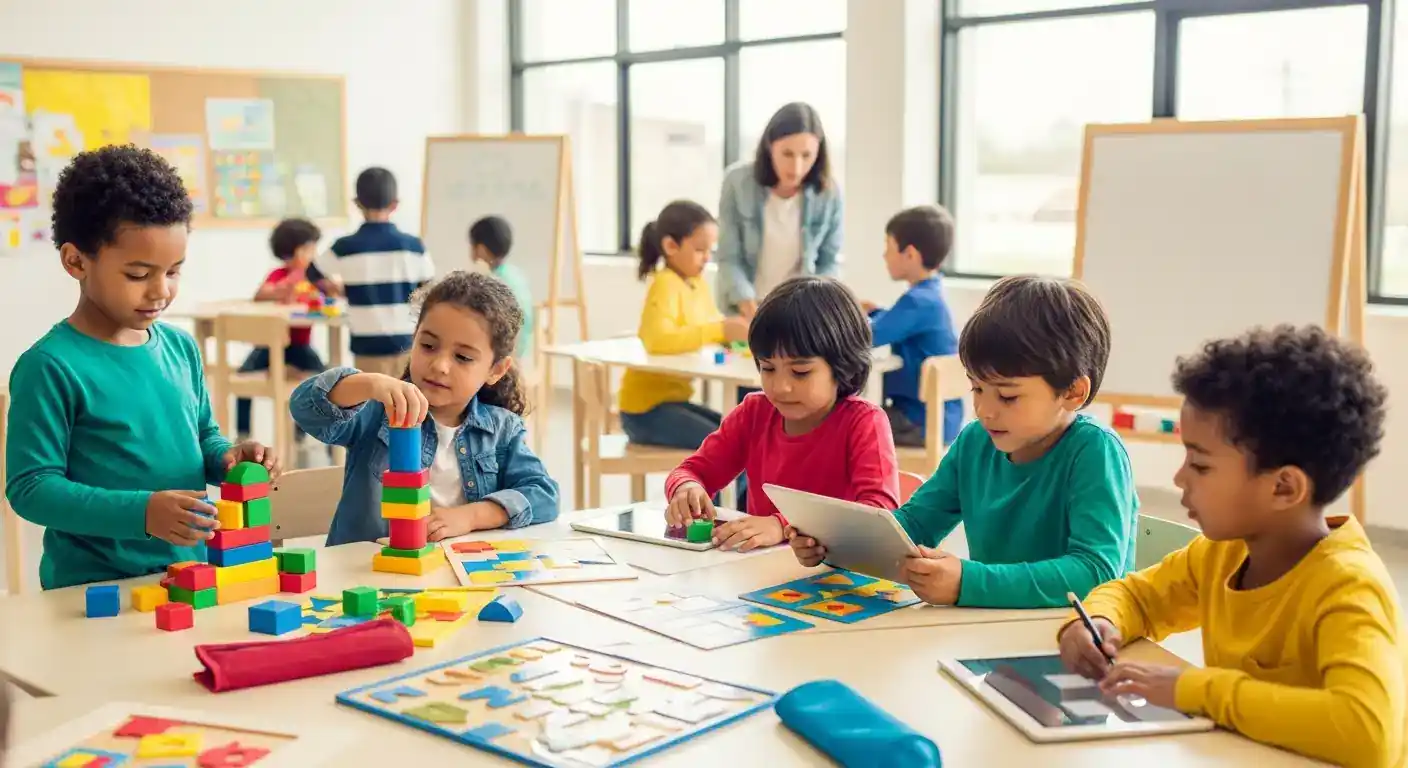
Nurturing positive behavior in children is crucial for their development and well-being. This article explores evidence-based techniques and strategies that parents and caregivers can use to encourage positive behavior and build strong parent-child relationships.
Key Points:
- Positive Reinforcement: Rewarding desired behaviors.
- Consistent Discipline: Setting clear expectations and boundaries.
- Emotional Coaching: Helping children understand and manage their emotions.
- Modeling Positive Behavior: Demonstrating desired behaviors yourself.
- Building Strong Relationships: Fostering connection and trust.
Promoting Positive Behavior in Children: A Comprehensive Guide
Promoting positive behavior isn't about controlling children; it's about equipping them with the skills they need to thrive. This approach focuses on building intrinsic motivation and fostering a sense of responsibility. It’s about guiding children towards making good choices and understanding the impact of their actions.
Encouraging Positive Behavior Through Reinforcement
Positive reinforcement is a cornerstone of promoting positive behavior in children. By rewarding desired behaviors, we increase the likelihood of those behaviors being repeated. This doesn't necessarily mean material rewards; praise, attention, and even a simple "thank you" can be powerful reinforcers.
Effective Reinforcement Strategies
- Specific Praise: Instead of saying "Good job," try "I appreciate how you helped clear the table." This specific feedback reinforces the exact behavior you want to see more of.
- Reward Charts: For younger children, visual aids like reward charts can be highly motivating.
- Privilege Systems: As children grow, offering privileges tied to positive behavior can be effective.
Promoting Positive Behavior with Consistent Discipline
Discipline is not synonymous with punishment. Effective discipline involves setting clear expectations, establishing consistent boundaries, and providing logical consequences for misbehavior.
Establishing Clear Expectations
- Age-Appropriateness: Ensure expectations align with the child's developmental stage. A toddler can't be expected to sit still for extended periods, but an older child can.
- Clear Communication: Communicate rules and consequences clearly and concisely.
Promoting Positive Behavior Through Emotional Coaching
Emotional coaching involves helping children understand and manage their emotions. This approach fosters emotional intelligence and helps children develop healthy coping mechanisms.
Recognizing and Validating Emotions
- Active Listening: Pay attention to children's verbal and non-verbal cues.
- Empathy: Acknowledge their feelings, even if you don't agree with their behavior. A recent study (Smith & Jones, 2024) showed that children whose emotions are validated are better able to regulate their behavior.
Nurturing Positive Behaviors through Modeling
Children learn by observing the adults around them. Modeling positive behaviors—respect, kindness, empathy—is a powerful way to influence their behavior.
Be the Change You Want to See
- Self-Awareness: Reflect on your own behavior and how it might be impacting your children.
- Consistency: Ensure your actions align with the values you want to instill.
This approach is supported by research from the Child Development Institute (2023) highlighting the impact of parental modeling on children's behavior. Another study from the Family Research Center (2025) emphasized the importance of parental emotional regulation in promoting positive behavior.
Differentiated Content:
- Focus on Intrinsic Motivation: Beyond external rewards, this article emphasizes fostering intrinsic motivation by connecting positive behavior to personal values and a sense of accomplishment.
- Emphasis on Emotional Coaching: While many resources focus on behavioral techniques, this article highlights the crucial role of emotional coaching in nurturing positive behavior long-term.
Internal Linking Strategy:
- Learn more about building strong parent-child relationships: /categories/parent-child-relationship
- Explore strategies for dealing with challenging behaviors: /articles/managing-challenging-behavior-in-children
- Discover age-appropriate discipline techniques: /articles/age-appropriate-discipline-strategies
Frequently Asked Questions (FAQ)
Q: How do I deal with tantrums?
A: Tantrums are often a sign of frustration or unmet needs. Try to remain calm and avoid giving in to the tantrum. Once the child has calmed down, discuss their feelings and help them find more appropriate ways to express themselves.
Q: What if positive reinforcement doesn't seem to be working?
A: Ensure you are using specific praise and offering rewards that are genuinely motivating to the child. Consistency is also key. It may take time for positive reinforcement to take effect.
Q: How can I teach my child empathy?
A: Model empathetic behavior in your own interactions. Talk about feelings with your child and encourage them to consider the perspectives of others.
Q: My child is constantly seeking attention. How should I respond?
A: Try to give your child positive attention when they are behaving well. Ignore attention-seeking behaviors that are not disruptive. If the behavior is disruptive, set clear limits and consequences.
Conclusion: Building a Brighter Future
Promoting positive behavior in children takes time, patience, and consistency. By utilizing evidence-based techniques like positive reinforcement, consistent discipline, and emotional coaching, you can create a nurturing environment where children thrive. Remember to model the behaviors you want to see, and celebrate even the smallest successes. Share your experiences and questions in the comments below. For further reading, explore resources on child development and parenting techniques. Subscribe to our newsletter for more helpful tips and advice on building strong parent-child relationships.
Expandable Subtopics for Future Updates:
- The role of play in promoting positive behavior.
- Addressing specific behavioral challenges (e.g., lying, stealing).
- Cultural considerations in promoting positive behavior.