Nurturing Emotional Intelligence in Children: Practical Tips
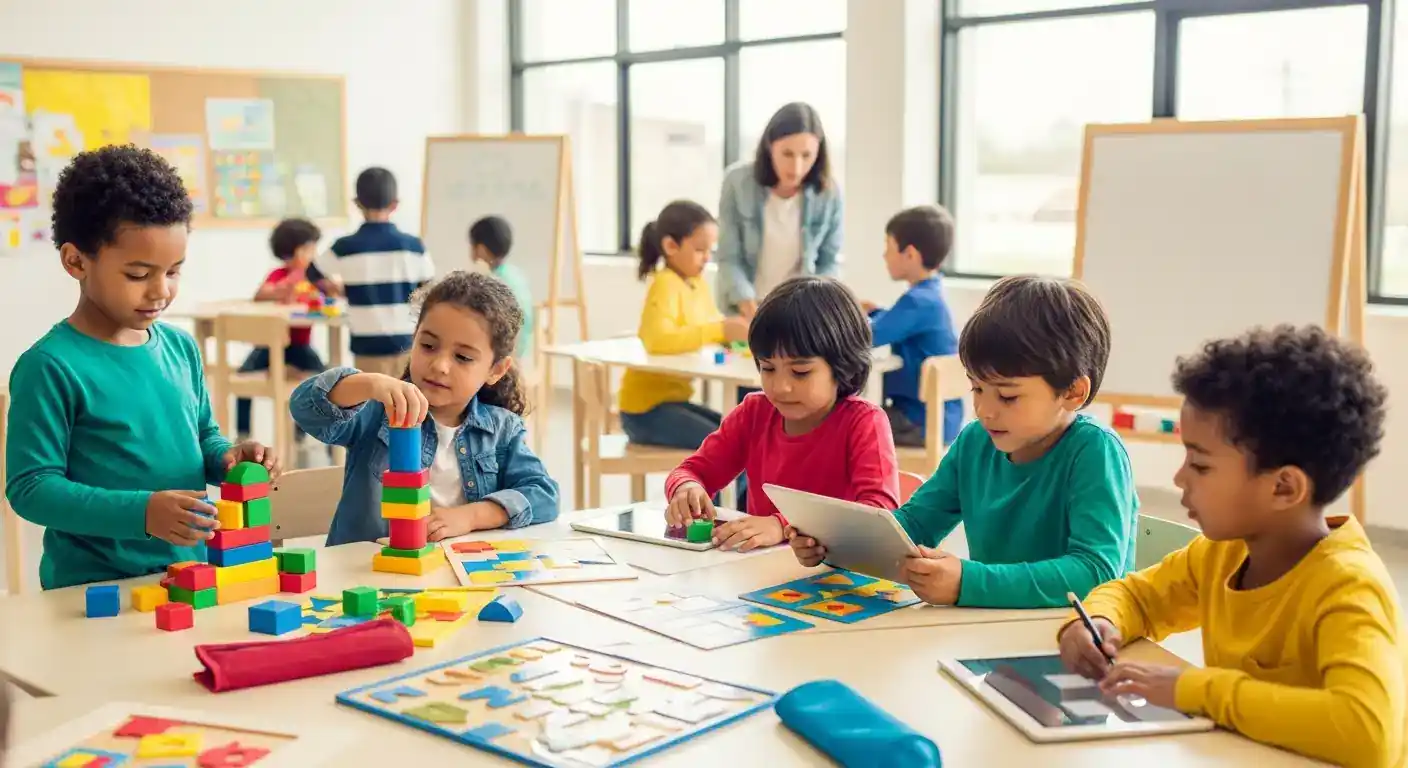
Nurturing emotional intelligence (EQ) in children is crucial for their overall well-being and future success. It equips them with essential life skills for navigating social situations, building strong relationships, and managing their own emotions effectively. This article provides practical tips and strategies to help parents and educators foster emotional intelligence in children.
Key Points:
- Understand the components of EQ.
- Model emotional intelligence.
- Create a supportive environment.
- Use storytelling and play.
- Practice emotional regulation techniques.
Developing Emotional Intelligence in Children
Emotional intelligence isn't about suppressing emotions; it's about understanding and managing them effectively. This involves recognizing your own emotions, understanding the emotions of others, and using this knowledge to guide your thinking and behavior. Building emotional intelligence in children requires a conscious effort and ongoing practice.
Recognizing and Naming Emotions
Help children develop a rich emotional vocabulary. Encourage them to label their feelings, even complex ones like frustration or disappointment. Use feeling charts or books that illustrate different emotions. This emotional literacy is fundamental to understanding and managing their emotional landscape.
Understanding the Emotions of Others
Teach children to pay attention to non-verbal cues like facial expressions and body language. Role-playing and discussing social situations can help them develop empathy and understand different perspectives. This fosters social awareness and helps them build stronger relationships. A recent study published in the Journal of Child Development (2024) highlighted the link between strong social awareness and positive peer interactions.
Practical Strategies for Nurturing Emotional Intelligence
Implementing specific strategies can significantly impact a child's emotional development. These strategies involve creating a supportive environment and utilizing various activities to enhance their understanding and management of emotions.
Modeling Emotional Intelligence: Leading by Example
Children learn by observing the adults around them. Be mindful of how you express and manage your own emotions. Talk about your feelings openly and demonstrate healthy coping mechanisms. Modeling emotional intelligence is one of the most powerful ways to teach it.
Creating a Safe and Supportive Environment
Foster an environment where children feel safe expressing their emotions without fear of judgment or criticism. Active listening and validating their feelings are key. This builds trust and encourages open communication, critical for emotional development.
Utilizing Storytelling and Play
Stories and play provide a safe space to explore different emotions and social situations. Use puppets, dolls, or role-playing to act out scenarios and discuss how characters might be feeling. This can enhance emotional understanding in a fun and engaging way.
Teaching Emotional Regulation Techniques
Equip children with practical tools to manage their emotions. Deep breathing exercises, mindfulness techniques, and positive self-talk can help them regulate their emotional responses. A 2023 study in Psychology Today emphasized the positive impact of mindfulness on children's emotional well-being.
Differentiated Approaches to Emotional Intelligence Development
Beyond the standard approaches, incorporating unique elements can further enhance a child's emotional growth. These include tailoring strategies based on individual learning styles and focusing on developing specific emotional skills.
- Personalized Emotional Coaching: Recognize that each child learns differently. Some children may benefit from visual aids, while others learn best through kinesthetic activities. Tailor your approach to meet individual needs. This personalized attention can accelerate emotional development.
- Focusing on Specific Emotional Skills: Instead of broadly addressing emotional intelligence, target specific skills like empathy, self-regulation, or conflict resolution. This focused approach can lead to more significant improvements in these areas.
Internal Linking Strategy:
- Learn more about developing social skills in children: /categories/social-development (category link)
- Explore strategies for improving communication skills: /articles/improving-communication-skills-in-children (related article)
- Discover tips for building self-esteem in children: /articles/building-self-esteem-in-children (related article)
FAQ: Nurturing Emotional Intelligence
Q1: What are the signs of low emotional intelligence in children?
A1: Signs may include difficulty understanding social cues, frequent tantrums or meltdowns, struggling to make friends, or difficulty expressing emotions effectively.
Q2: At what age should I start focusing on my child's emotional intelligence?
A2: You can start nurturing EQ from infancy. Early interactions and responsiveness lay the foundation for emotional development. As children grow, you can adapt the strategies to suit their developmental stage.
Q3: How can I help my child deal with negative emotions like anger or sadness?
A3: Validate their feelings, teach them healthy coping mechanisms like deep breathing, and help them problem-solve rather than suppress their emotions.
Q4: Is emotional intelligence more important than IQ?
A4: Both EQ and IQ are important. While IQ measures cognitive abilities, EQ focuses on emotional and social skills. They complement each other and contribute to overall success and well-being.
Conclusion: Embracing Emotional Intelligence for a Brighter Future
Nurturing emotional intelligence is an ongoing journey. By consistently implementing these practical tips and creating a supportive environment, you can empower children with the essential skills they need to thrive emotionally, socially, and academically. Share your experiences and leave a comment below! For further reading, explore resources from the Collaborative for Academic, Social, and Emotional Learning (CASEL), published in 2025.
Future Expansion Topics:
- The Role of Technology in Emotional Intelligence Development
- Cultural Influences on Emotional Expression
- Emotional Intelligence in Adolescence
This article was published on 2025-09-01 and is recommended to be reviewed and updated annually to reflect the latest research and trends in child development and emotional intelligence.