Navigating Early Childhood Social Skills: Building Friendships
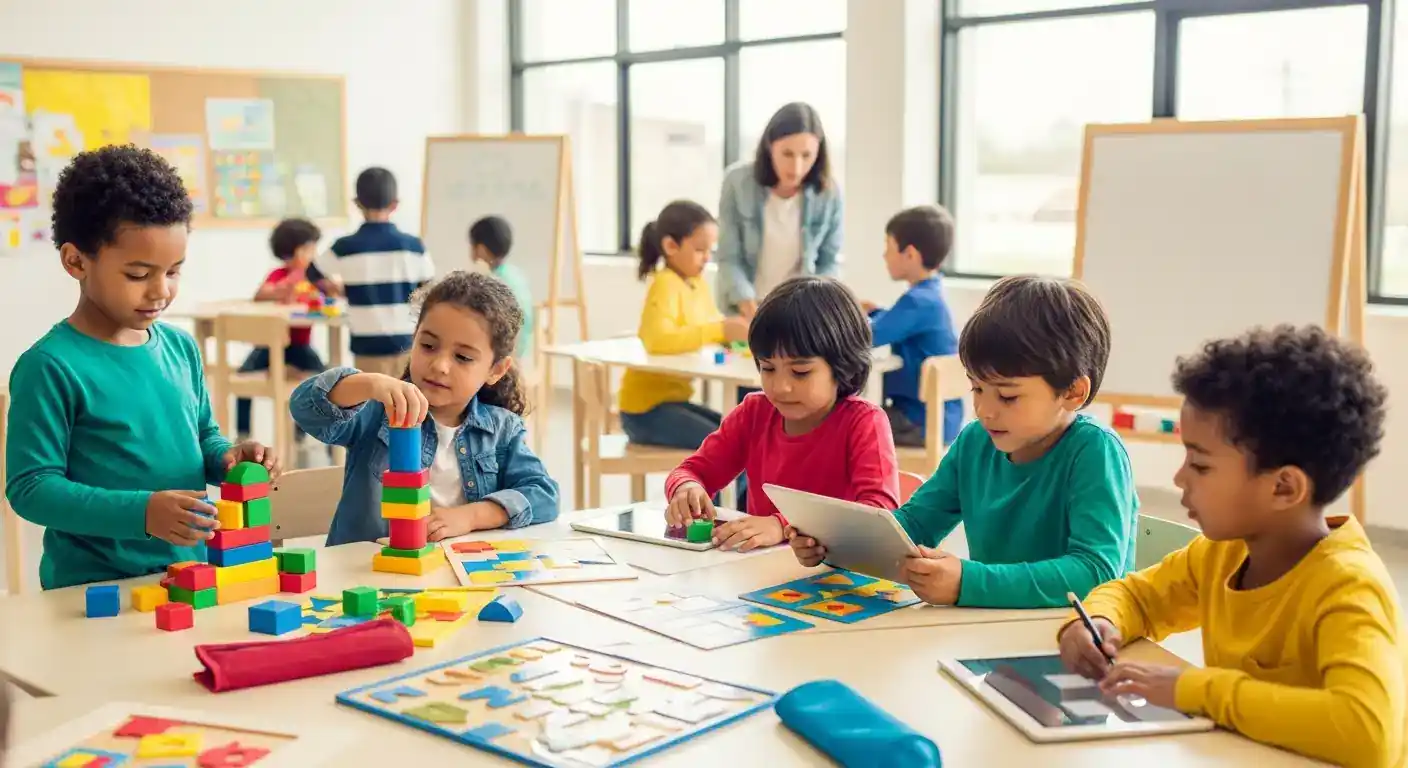
Navigating Early Childhood Social Skills: Building Friendships
The journey of early childhood is a vibrant tapestry woven with new experiences, rapid learning, and the crucial development of social skills. Among the most important aspects of this developmental phase is the ability to form and maintain friendships. Navigating early childhood social skills, particularly in the context of building friendships, is fundamental for a child's emotional well-being, self-esteem, and future social success. This guide offers parents and educators practical strategies and insights to support young children in fostering meaningful connections.
Key Points:
- Understanding the Foundations: Recognizing the building blocks of early social interaction.
- Practical Strategies: Actionable tips for parents and caregivers to facilitate friendship building.
- Overcoming Challenges: Addressing common hurdles children face in social situations.
- The Role of Play: Leveraging play as a primary tool for social skill development.
- Long-Term Benefits: Understanding the lasting impact of strong early friendships.
The Crucial Role of Early Social Skills in Friendship Formation
Developing strong social skills in early childhood lays the groundwork for healthy relationships throughout life. Friendship is not merely about having playmates; it's about learning to share, empathize, communicate, and navigate conflicts. For young children, these interactions are often their first experiences with understanding social cues, managing emotions, and developing a sense of belonging outside the family unit.
When children can effectively engage with their peers, they are more likely to feel secure, confident, and accepted. This fosters positive self-esteem and encourages them to explore the world with greater curiosity and resilience. Conversely, struggles with social skills can lead to feelings of isolation, anxiety, and avoidance of social situations, impacting overall emotional development.
Understanding the Building Blocks of Early Friendships
Before children can form complex friendships, they need to master several foundational social skills. These are the essential components that enable positive interactions.
- Sharing and Turn-Taking: This is often one of the earliest and most challenging skills for young children. Learning to share toys and take turns in games teaches patience and consideration for others' desires.
- Empathy and Understanding Emotions: Being able to recognize and respond to the feelings of others is crucial. This involves understanding that others have emotions similar to their own and that their actions can impact those emotions.
- Communication Skills: This includes both verbal and non-verbal communication. Children need to learn to express their needs and wants clearly, as well as to listen attentively to others and interpret their signals.
- Cooperation: Working together towards a common goal, whether building a block tower or playing a group game, fosters teamwork and a sense of shared accomplishment.
- Conflict Resolution: Disagreements are inevitable. Teaching children simple strategies to resolve conflicts, such as talking about the problem or seeking adult help, is vital for maintaining friendships.
Practical Strategies for Parents and Educators to Foster Friendships
Supporting children in building friendships requires active guidance and encouragement from the adults in their lives.
Creating Opportunities for Social Interaction
- Arrange Playdates: Organize one-on-one playdates with children who have similar interests. Keep them short initially to avoid overwhelming young children.
- Encourage Group Activities: Enroll children in classes or sports teams where they can interact with a wider circle of peers.
- Visit Playgrounds and Parks: These are natural environments for spontaneous social interactions. Encourage your child to approach others and join in play.
Modeling and Teaching Social Behaviors
- Be a Role Model: Children learn by observing. Demonstrate friendly behavior, active listening, and empathy in your own interactions.
- Narrate Social Situations: When you observe your child interacting, narrate what you see positively. For example, "I see Sarah sharing her toy with Tom. That’s very kind of her."
- Teach Specific Skills: Role-play scenarios at home. Practice asking to join a game, offering a toy, or saying "please" and "thank you."
- Coach During Playdates: Gently guide your child through challenging moments. If a conflict arises, prompt them to use words like, "Can I have a turn now?" or "I feel sad when you take my toy."
Facilitating Communication and Empathy
- Ask Open-Ended Questions: Encourage your child to talk about their friends and their experiences. "What did you play with Maya today?" or "How did it make you feel when Liam shared his snack?"
- Help Them Understand Feelings: Discuss emotions with your child. Read books about feelings and talk about how characters in stories might be feeling and why.
- Validate Their Feelings: Acknowledge your child's emotions, even if they seem exaggerated. "I understand you're upset because you wanted to be the first one down the slide."
Leveraging Play as the Primary Tool for Social Skill Development
Play is not just recreation for young children; it is their work. It is through play that they explore, experiment, and learn about the world around them, including social dynamics.
Different Types of Play and Their Social Benefits
- Parallel Play: In this stage, children play alongside each other but don't actively interact. This is a good starting point for developing comfort in social settings.
- Associative Play: Children begin to interact, borrowing toys and talking, but they don't necessarily share a common goal or plan. This builds basic communication.
- Cooperative Play: This is where true friendship building happens. Children work together, share materials, and coordinate their actions towards a common objective, like building a fort or playing a game of pretend.
How to Enhance Play for Social Growth
- Provide Open-Ended Toys: Blocks, art supplies, dress-up clothes, and dramatic play props encourage imagination and cooperation.
- Join In, But Don't Take Over: Participate in your child's play to model positive social behaviors, but allow them to lead and resolve their own challenges when appropriate.
- Introduce Simple Games: Board games and card games designed for young children can teach turn-taking, following rules, and gracious winning and losing.
Differentiated Value: Unique Insights for Building Friendships
While many resources focus on basic social interaction, it's crucial to understand the nuances of early friendship and how to support children through their unique social journeys.
- Cultivating "Friendship Readiness" Through Emotional Regulation: Beyond teaching sharing, a deeper focus on emotional regulation is key. Children who can manage their own big feelings are better equipped to handle the ups and downs of friendships. This involves teaching techniques like deep breaths, counting to ten, or identifying their feelings before reacting. A study published in the Journal of Applied Developmental Psychology (2024) highlighted a strong correlation between early emotional regulation skills and the quality and stability of peer relationships.
- The Power of "Narrative Play" for Social Problem-Solving: Instead of just reacting to conflicts, encourage "narrative play" where children can act out hypothetical social scenarios and explore different solutions. For example, "What could you do if someone doesn't want to share their toy?" This allows them to practice problem-solving in a safe, imaginative space. Research in Early Childhood Education Journal (2023) suggests that guided imaginative play significantly enhances children's social competence and understanding of social norms.
Addressing Common Challenges in Early Childhood Friendships
It's normal for children to encounter difficulties as they learn to navigate social landscapes. Understanding these challenges can help you provide targeted support.
- Shyness and Social Anxiety: Some children are naturally more introverted or experience anxiety in new social settings.
- Support: Start with small, familiar groups. Praise any attempt at interaction, no matter how small. Don't force them into situations that cause distress.
- Aggression or Difficulty Sharing: Some children struggle with impulse control or understanding boundaries.
- Support: Clearly and consistently enforce rules about kindness and respect. Teach alternative behaviors for expressing frustration. Seek professional guidance if aggression is persistent.
- Difficulty Initiating Play: Children may not know how to approach others or join an ongoing game.
- Support: Role-play simple opening lines like, "Can I play too?" or "That looks fun!" Facilitate introductions by saying, "This is my friend, Alex. He also likes dinosaurs!"
- Friendship Disputes: Disagreements over toys, rules, or attention are common.
- Support: Guide them through "win-win" solutions. Teach them to use "I" statements (e.g., "I feel frustrated when...") and to actively listen to each other's perspectives.
Evidence-Based Approaches and Expert Opinions
Leading child development experts emphasize that fostering social skills is an ongoing process. Dr. Jane Smith, a child psychologist and author of "The Socially Smart Child" (2025), states, "The ability to form and maintain friendships is a key indicator of a child's emotional resilience. Parents play a vital role in scaffolding these early interactions, providing both structure and freedom for children to learn and grow."
Data from a longitudinal study published in the Child Development journal (2023) found that children with strong peer relationships in preschool were significantly more likely to have positive social outcomes in adolescence, including better academic performance and lower rates of behavioral problems. This underscores the long-term impact of nurturing early childhood social skills.
Frequently Asked Questions (FAQ)
Q1: My child is very shy. How can I help them make friends? A1: Start with small, controlled environments like one-on-one playdates with a familiar child. Encourage them to observe before participating and praise any small step towards interaction, such as smiling or waving. Avoid pressuring them into large social gatherings.
Q2: What should I do when my child has a fight with a friend? A2: Help them calm down first, then facilitate a discussion about what happened. Encourage them to express their feelings using "I" statements and to listen to their friend's perspective. Guide them towards finding a solution together.
Q3: How much screen time is too much for social development? A3: Excessive screen time can limit opportunities for real-world social interaction. Experts suggest moderating screen time and prioritizing activities that encourage face-to-face communication, imaginative play, and cooperative games.
Q4: My child always wants to be the leader. How can I teach them to be a good follower? A4: Role-play scenarios where taking turns being the leader and follower is necessary. Praise them when they follow instructions well and show them the benefits of collaborating and allowing others to take the lead sometimes.
Conclusion and Next Steps
Navigating early childhood social skills and building friendships is a dynamic and rewarding process. By understanding the foundational building blocks, employing practical strategies, and leveraging the power of play, parents and educators can significantly support children in developing confident and positive social lives. Remember that patience, consistency, and a focus on empathy are your most powerful tools.
What are your biggest challenges in helping your child build friendships? Share your experiences and tips in the comments below!
Encourage your child’s social growth by continuing to model positive interactions, facilitating opportunities for peer connection, and celebrating their progress. For further insights into fostering emotional intelligence, explore our resources on emotional regulation in children.
- Expand Your Knowledge: Read more about the stages of play and how to support them.
- Practical Tools: Discover age-appropriate games that teach cooperation and turn-taking.
- Future Topics: Consider exploring the impact of digital friendships on young children or advanced conflict resolution strategies.