Maximizing Developmental Play: How Parents Can Facilitate Learning Through Structured and Unstructured Play
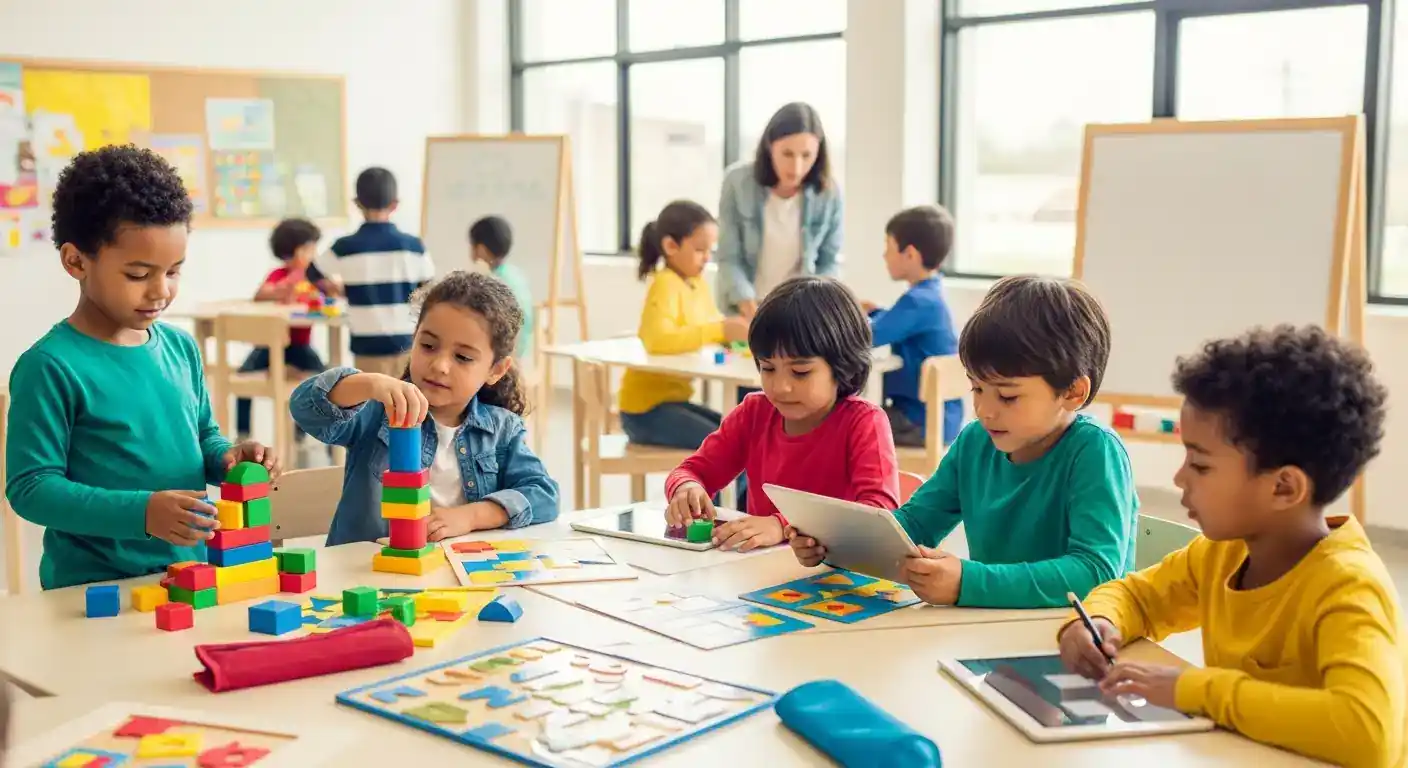
Maximizing Developmental Play: A Parent's Guide to Facilitating Learning
Maximizing developmental play is crucial for a child's holistic growth, laying the foundation for cognitive, emotional, social, and physical well-being. Parents play a pivotal role in creating environments that foster learning through both guided and free exploration. This guide delves into practical strategies for how parents can facilitate learning through structured and unstructured play, ensuring every play moment contributes meaningfully to their child's development. Understanding the balance between these play types empowers parents to nurture curious, resilient, and well-adjusted individuals. We'll explore evidence-based approaches to turn everyday interactions into powerful learning opportunities.
Key Points:
- Balance is Key: Integrate both structured and unstructured play daily for comprehensive development.
- Parental Role: Facilitate, observe, and engage thoughtfully, rather than simply directing play.
- Brain Benefits: Play directly supports critical cognitive functions and emotional regulation.
- Adapt to Age: Tailor all play activities to suit your child's current developmental stage.
- Future Skills: Play builds essential skills for academic success and life readiness.
Understanding the Spectrum of Developmental Play
Play is far more than just fun; it's a child's primary mode of learning and exploring the world. Developmental play encompasses a wide range of activities that foster growth in various domains. Recognizing the distinct benefits of both structured and unstructured play allows parents to create a rich, balanced play diet for their children. This balance is vital for comprehensive learning and skill acquisition, supporting everything from problem-solving to social interaction.
The Strategic Benefits of Structured Play
Structured play involves activities with clear rules, objectives, or a defined outcome, often led by an adult or involving specific toys. Think board games, puzzles, sports lessons, or guided craft projects. These activities are excellent for developing specific skills and teaching children how to follow directions and work towards a goal. Structured play helps children learn the importance of patience and turn-taking.
Key Advantages of Structured Play:
- Skill Development: Activities like building blocks, educational apps, or sports drills enhance fine motor skills, hand-eye coordination, and strategic thinking.
- Rule Following: Children learn to understand and adhere to rules, fostering a sense of fairness and order.
- Focus and Attention: Engaging in goal-oriented tasks helps children develop concentration and sustained attention.
- Problem-Solving: Puzzles and construction kits directly challenge children to think critically and find solutions.
For instance, a 2024 review in Child Development Perspectives highlighted that structured, adult-guided play significantly boosts early literacy and numeracy skills in preschoolers by providing targeted learning opportunities. Parents can facilitate learning through structured play by introducing age-appropriate games that challenge but don't overwhelm.
Embracing the Freedom of Unstructured Play
Unstructured play, often called "free play," is child-led and spontaneous, without specific rules or predetermined outcomes. This includes imaginative play, exploring nature, building forts, or simply running around the backyard. It's during these moments that children's creativity and independence truly flourish. Unstructured play provides a safe space for experimentation without the pressure of performance.
Key Advantages of Unstructured Play:
- Creativity and Imagination: Children invent scenarios, characters, and solutions, fostering expansive thinking.
- Problem-Solving: When faced with open-ended play, children must devise their own strategies and overcome self-imposed challenges.
- Emotional Regulation: Through role-playing, children can process emotions, navigate social situations, and develop empathy.
- Physical Development: Outdoor free play encourages gross motor skills, balance, and coordination, essential for physical well-being.
- Independence: Children learn to initiate activities, make choices, and entertain themselves, building self-reliance.
Research published in the Journal of Play in late 2023 emphasized the critical role of unstructured play in developing executive functions, such as planning and working memory. Parents seeking to facilitate learning through unstructured play should provide diverse materials and sufficient time for exploration.
How Parents Can Facilitate Learning Through Play
The parent's role in maximizing developmental play is not to dictate, but to facilitate. This means creating opportunities, providing resources, and engaging thoughtfully when invited. It's about setting the stage and then allowing the magic of child-led discovery to unfold.
Creating a Rich and Stimulating Play Environment
A stimulating environment is fundamental for effective play. This doesn't mean expensive toys; it means offering a variety of materials that spark curiosity and encourage different types of play. Think open-ended items like blocks, dress-up clothes, art supplies, natural elements (leaves, stones), and simple household items. Regularly rotating toys can keep children engaged and introduce new play possibilities.
The Art of Observation and Responsive Engagement
Parents should observe their children's play to understand their interests, challenges, and developmental stages. This insight allows for responsive engagement, where parents can gently extend play scenarios or offer appropriate support without taking over. For example, if a child is building a tower and it keeps falling, a parent might ask, "What if we tried a wider base?" rather than building it for them. This approach helps in /categories/development-assessment, guiding children through challenges.
Balancing Involvement: When to Step In, When to Step Back
Knowing when to engage and when to allow children space is a nuanced skill. During unstructured play, it's often best to step back and let children explore their own ideas. However, during structured play, parental involvement can be more direct, guiding them through rules or new concepts. The key is to be present and available, offering support and encouragement without controlling the narrative. This balance supports a child's growing autonomy and problem-solving abilities.
Integrating Play into Daily Routines
Play doesn't have to be a separate, scheduled event; it can be woven into the fabric of daily life. Cooking together becomes a lesson in measurements and sequences. A trip to the grocery store can involve identifying colors and shapes. Even chores can be reframed as playful activities, fostering a positive attitude towards responsibilities. These simple integrations help in maximizing developmental play without adding extra pressure.
The Brain on Play: A Neurodevelopmental Perspective
Play is a direct driver of brain development. During imaginative play, the prefrontal cortex—responsible for executive functions like planning, decision-making, and emotional regulation—is highly active. When children engage in physical play, they're not just moving their bodies; they're also enhancing spatial awareness and motor planning. This direct link between physical activity and cognitive development is a unique insight that differentiates a deeper understanding of play. For example, building a complex block structure requires spatial reasoning, fine motor control, and the ability to visualize a final product, all of which strengthen neural pathways.
Navigating the Digital Age: Screen Time and Developmental Play
In today's world, balancing traditional play with digital interaction is a common parental challenge. While excessive screen time can displace other forms of developmental play, certain interactive apps or educational games, when used judiciously, can offer benefits. The American Academy of Pediatrics, in their 2023 guidelines, suggests prioritizing interactive, co-viewing experiences over passive consumption, and ensuring digital content is age-appropriate and supports learning goals. The goal is to integrate technology thoughtfully, ensuring it complements, rather than replaces, crucial hands-on and imaginative play experiences.
FAQs About Maximizing Developmental Play
Q1: What is the ideal balance between structured and unstructured play for a young child?
A1: While there's no strict ratio, most experts suggest prioritizing unstructured, child-led play for the majority of a young child's day. This allows for critical development of creativity, independence, and problem-solving skills. Structured play, such as puzzles or guided activities, can complement this by building specific skills and teaching rule-following in shorter, focused sessions. A flexible balance that adapts to the child's interest is often most effective.
Q2: How can I encourage my child to engage in more imaginative play?
A2: To encourage imaginative play, provide open-ended materials like blankets, dress-up clothes, blocks, or natural objects. Create a designated "play zone" where your child feels free to explore. Resist the urge to direct their play; instead, ask open-ended questions like "What are you building?" or "What's happening in your story?" This shows interest without controlling, fostering their unique creative narratives and supporting /articles/understanding-early-childhood-milestones.
Q3: Are there specific types of play that boost social-emotional skills?
A3: Absolutely. Cooperative games, role-playing, and group imaginative play are excellent for social-emotional development. These activities teach children negotiation, sharing, empathy, conflict resolution, and how to understand different perspectives. Parents can facilitate this by organizing playdates or participating in collaborative play, offering gentle guidance on social interactions. Outdoor group activities further enhance these skills, as detailed in /articles/the-benefits-of-outdoor-play-for-child-development.
Q4: My child always wants to play the same thing. How can I introduce variety?
A4: It's common for children to prefer familiar activities. You can introduce variety by rotating toys, setting up new play invitations (e.g., a "science exploration" tray), or slightly altering a favorite game. For example, if they love cars, suggest building a new track with different materials. Exposure to new ideas and materials can gently expand their play repertoire and stimulate new interests.
Continuing the Journey of Learning Through Play
Maximizing developmental play is an ongoing journey, not a destination. By understanding the unique benefits of both structured and unstructured play, and by thoughtfully facilitating these experiences, parents can profoundly impact their child's learning and overall well-being. Remember, the most valuable thing you can offer is your time, presence, and genuine engagement. Embrace the mess, the laughter, and the endless possibilities that play brings.
Your Next Steps:
- Observe: Take time this week to simply observe your child's play without interruption. What do you notice?
- Create: Set up a "play invitation" using open-ended materials (e.g., a cardboard box and some craft supplies).
- Engage: Join your child in a structured game, focusing on the joy of shared activity.
- Share: What are your family's favorite developmental play activities? Share your ideas in the comments below!
Extended Reading Suggestions:
- The Role of Risky Play in Building Resilience: Explore how calculated risks in play foster problem-solving and confidence.
- Integrating STEM Concepts into Everyday Play: Discover simple ways to introduce science, technology, engineering, and math through play.
- Understanding Play Therapy for Emotional Development: Learn about therapeutic play techniques that support emotional well-being.