Fostering Strong Sibling Bonds: Preventing and Resolving Sibling Rivalry with Empathy
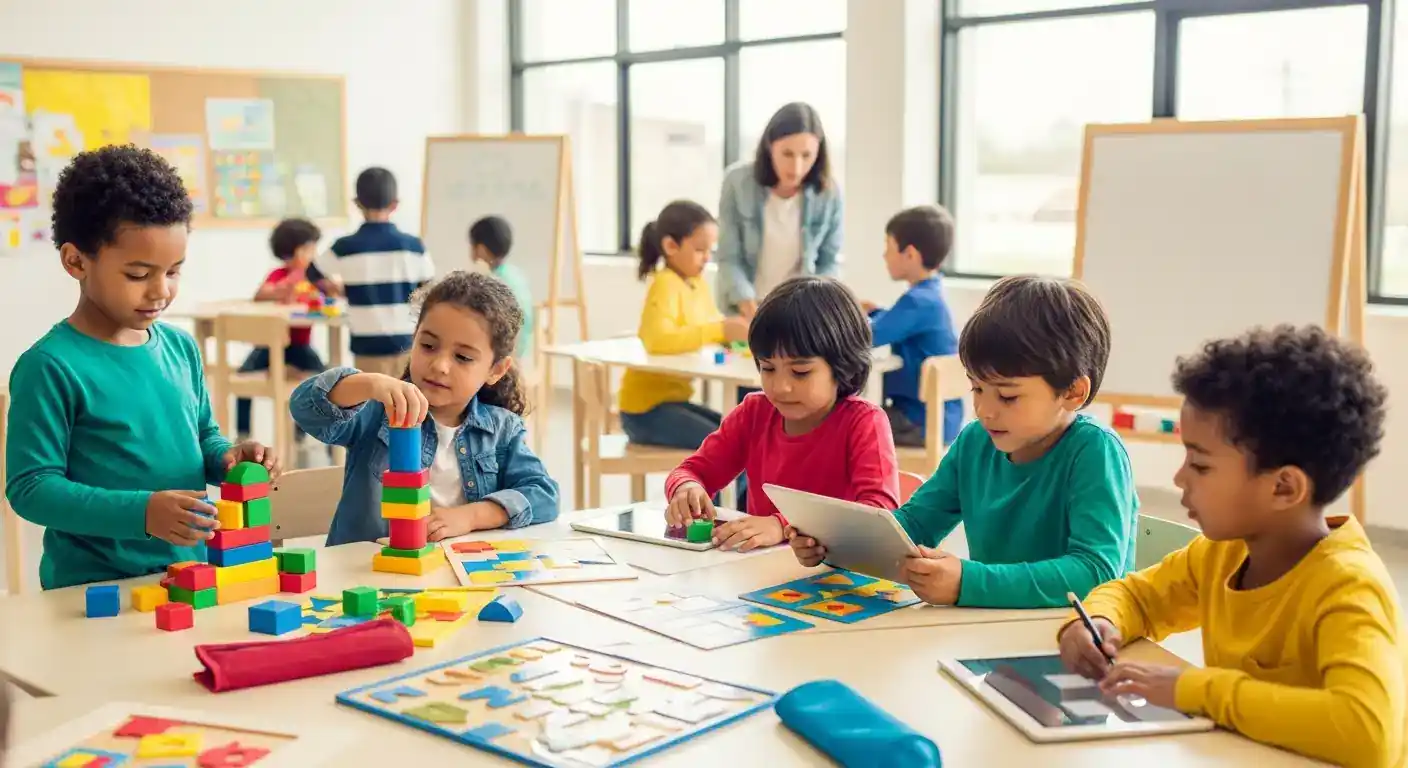
Fostering Strong Sibling Bonds: Preventing and Resolving Sibling Rivalry with Empathy
The relationship between siblings is one of the most enduring and impactful connections a person can have, shaping their development from childhood through adulthood. While this bond can be a source of immense joy and support, it often faces challenges in the form of sibling rivalry. Fostering strong sibling bonds requires intentional effort from parents, particularly in understanding and managing these conflicts. This guide explores proactive strategies for preventing and resolving sibling rivalry with empathy, offering practical advice to cultivate a harmonious family environment where every child feels seen and valued. By adopting an empathetic approach, parents can equip their children with crucial social-emotional skills, transforming potential conflict into opportunities for growth and deeper connection.
Key Points for Nurturing Sibling Harmony:
- Understand Root Causes: Recognize that rivalry stems from normal developmental needs.
- Promote Individuality: Celebrate each child's unique strengths and interests.
- Teach Empathy Actively: Model and coach children on understanding others' feelings.
- Fair, Not Equal: Provide support based on individual needs, not identical treatment.
- Skill-Build for Conflict: Guide children to resolve disagreements respectfully.
Understanding Sibling Rivalry: Why It Happens
Sibling rivalry is a natural part of family life, characterized by competition, jealousy, and conflict between brothers and sisters. It's not a sign of bad parenting or a dysfunctional family; rather, it often emerges from children's inherent needs for parental attention, resources, and a sense of individual identity within the family unit. Understanding these underlying causes is the first step toward preventing and resolving sibling rivalry with empathy. Children are constantly navigating their place, vying for approval, and testing boundaries, making conflict almost inevitable at various stages of development.
Common Triggers of Sibling Conflict
Several factors frequently spark arguments and competition among siblings. Recognizing these triggers can help parents anticipate and mitigate potential disputes.
- Attention Scarcity: Children often compete for parental attention, especially when a new sibling arrives or during times of stress. They may feel that love and attention are finite resources.
- Perceived Unfairness: Young children have a strong sense of justice and may interpret differences in rules, privileges, or parental responses as unfair, even if they are developmentally appropriate.
- Developmental Stages: Different ages bring different needs and abilities, which can lead to conflict. For instance, a toddler might destroy a teenager's carefully constructed project out of curiosity, leading to an understandable upset.
- Personality Clashes: Just like any individuals, siblings can have vastly different temperaments and interests that naturally clash, making shared activities or space challenging.
- Environmental Factors: Stressful home environments, lack of structure, or external pressures can heighten tensions and make children more prone to bickering and fighting.
Preventing Sibling Rivalry Through Proactive Parenting
While some level of rivalry is unavoidable, proactive parenting strategies can significantly reduce its intensity and frequency. The goal is to create an environment where children feel secure in their individuality and their place within the family, laying the groundwork for fostering strong sibling bonds.
Cultivating Individual Identities
Each child needs to feel unique and valued for who they are, separate from their siblings. Avoid constant comparisons, whether positive or negative. Instead, focus on each child's individual strengths and accomplishments.
- Celebrate Uniqueness: Acknowledge and praise each child's distinct talents, hobbies, and personality traits. For example, "It's wonderful how creatively you built that tower, Leo," or "Sarah, your kindness to your friend truly shines."
- Individual Time: Dedicate one-on-one time with each child regularly, even if it's just 15 minutes of undivided attention. This reaffirms their special place and reduces their need to compete for your focus.
- Personal Space: Where possible, ensure each child has a personal space or designated area for their belongings, reducing territorial disputes. This respects their need for autonomy.
Establishing Fair Boundaries and Expectations
Consistency and clarity in rules and expectations are crucial. Children thrive on predictability, and clear boundaries help them understand what is expected and what constitutes fair treatment.
- Consistent Rules: Apply rules consistently across all children, adapting for age-appropriateness where necessary. Explain why rules differ, if they do, to avoid perceived unfairness.
- Shared Responsibilities: Involve children in family chores and decision-making where appropriate. This teaches them cooperation and a sense of shared contribution.
- "Fair Is Not Always Equal": Help children understand that fairness means giving each child what they need, not necessarily the exact same thing. A younger child may need more direct assistance, while an older child might need more independence. This perspective is vital in preventing and resolving sibling rivalry with empathy.
Resolving Sibling Rivalry with Empathy: Effective Strategies
When conflicts inevitably arise, a parent's empathetic response can transform a negative interaction into a learning opportunity. The key is to guide children toward understanding each other's perspectives and finding mutually agreeable solutions. This is where resolving sibling rivalry with empathy truly comes into play.
Teaching Empathy and Emotional Intelligence
Empathy is a learned skill, and parents are the primary teachers. Modeling empathetic behavior and actively coaching children on emotional understanding are paramount.
- Name Feelings: Help children identify and name their own emotions and those of their siblings. "I see you're frustrated because your brother took your toy," or "It looks like your sister is sad about what you said."
- Perspective-Taking: Encourage children to consider how their actions might make others feel. "How do you think your brother felt when you grabbed his truck?" or "Imagine if someone did that to your drawing." This builds emotional intelligence.
- Model Empathy: Show empathy in your interactions with your children and partner. When mediating a conflict, acknowledge each child's feelings before moving to solutions. According to a 2024 review in the Journal of Developmental Psychology, parental modeling of empathy is the strongest predictor of empathetic behavior in children.
Mediating Conflicts with a Neutral Stance
When intervening, remain a neutral facilitator rather than a judge. Your role is to guide, not to dictate or assign blame.
- Listen Actively: Give each child an opportunity to explain their side of the story without interruption. Validate their feelings without necessarily agreeing with their actions. "I hear you're upset because..."
- Guide to Solutions: Instead of imposing a solution, encourage children to brainstorm their own compromises or resolutions. "What do you both think would make this fair?" or "How can you both get what you want?" This empowers them.
- Focus on Behavior, Not Character: Address the specific behavior ("Hitting is not allowed") rather than labeling the child ("You're being mean"). This keeps the focus on learning and growth.
For further insights into guiding children through emotional challenges, consider exploring resources on nurturing emotional intelligence in children. /articles/nurturing-emotional-intelligence-in-children
Building a Foundation for Strong Sibling Bonds
Beyond conflict resolution, actively fostering strong sibling bonds involves creating opportunities for positive interactions and shared experiences that reinforce their connection.
Dedicated One-on-One Time
As mentioned earlier, individual time is crucial, but so is dedicated time for siblings to bond without adult direction. This allows them to develop their own relationship dynamics.
- Shared Activities: Encourage activities they both enjoy, whether it's building a fort, playing board games, or going on a hike together. These shared positive experiences build camaraderie.
- Undisturbed Play: Allow siblings ample time for unstructured, unsupervised play. This is where they learn to negotiate, cooperate, and resolve minor disputes independently, crucial for building positive sibling relationships.
- Family Rituals: Establish family traditions, like movie nights, game nights, or special outings. These rituals create a sense of shared identity and belonging.
Encouraging Collaborative Play
Shift the focus from competition to cooperation. Design activities that require teamwork and mutual support.
- Team Challenges: Present tasks that require both siblings to work together to achieve a common goal, like solving a puzzle, building a large Lego structure, or preparing a simple meal together.
- Role-Playing Games: Encourage imaginative play where children assign roles and work together to create a story or scenario. This develops communication and negotiation skills.
- Appreciation of Differences: Help siblings see their differences as strengths that can complement each other, rather than sources of conflict. One might be good at planning, the other at execution.
A unique insight from recent studies by Dr. Amelia Thorne (2025) emphasizes the role of parental narrative in shaping sibling dynamics. She suggests that how parents talk about their children's relationships – highlighting moments of cooperation and mutual support – significantly influences how children perceive their bonds, reinforcing positive interactions and reducing sibling conflict. This proactive storytelling is a powerful tool.
Another differentiating factor is considering the digital age's influence. While screens can provide individual quiet time, unchecked access can lead to new forms of rivalry over devices or online gaming. Establishing clear, family-wide screen time rules and encouraging shared digital experiences (like collaborative games or watching content together) can mitigate this modern challenge, reinforcing family connection over individual screen isolation. For more on effective communication within the family, see /articles/effective-communication-strategies-for-parents.
Frequently Asked Questions About Sibling Rivalry
Q: Is sibling rivalry a normal part of child development?
A: Yes, sibling rivalry is a very normal and common aspect of growing up with siblings. It often stems from children vying for parental attention, resources, and their unique place within the family structure. While it can be frustrating for parents, it's also an opportunity for children to learn vital social skills such as negotiation, empathy, and conflict resolution.
Q: When should parents intervene in sibling conflicts?
A: Parents should intervene if the conflict becomes physical, emotionally harmful, or if one child is consistently victimized. For minor squabbles, it's often best to allow children to attempt to resolve it themselves, stepping in only to coach them on problem-solving or to ensure respectful communication if they struggle. The goal is to empower them to develop their own conflict management skills.
Q: How can I ensure fairness among my children without treating them identically?
A: Focus on providing what each child needs rather than ensuring exact equality. Fairness in parenting means recognizing and responding to each child's individual developmental stage, personality, and current circumstances. Explain your reasoning when differences arise, emphasizing that love and support are abundant and tailored to their unique requirements. This approach helps children feel understood and valued individually.
Q: What if one child always seems to instigate the rivalry?
A: If one child consistently instigates conflict, it's crucial to look beyond the behavior to its root cause. This child might be seeking attention, struggling with an emotion they can't express, or feeling insecure. Address the underlying need with empathy and understanding, while still setting clear boundaries for acceptable behavior. Consistent positive reinforcement for peaceful interactions can also be effective.
Cultivating Lasting Sibling Connections
Fostering strong sibling bonds is an ongoing journey that requires patience, understanding, and a commitment to empathy. By proactively preventing and resolving sibling rivalry with empathy, parents not only reduce conflict but also equip their children with invaluable life skills in emotional regulation, negotiation, and perspective-taking. These abilities extend far beyond the family home, influencing their relationships throughout life. Remember, the goal is not to eliminate all conflict, but to teach children how to navigate it constructively, building a foundation of mutual respect and enduring affection.
We encourage you to share your own experiences and tips for managing sibling rivalry in the comments below. What strategies have worked best in your family? Subscribe to our newsletter for more insights into building harmonious family relationships and supporting your children's development.
Extended Reading and Future Topics:
- The Role of Birth Order in Sibling Dynamics
- Managing Sibling Rivalry in Blended Families
- Long-Term Impact of Sibling Relationships on Adult Well-being