Fostering Emotional Intelligence in Children: A Parent's Guide
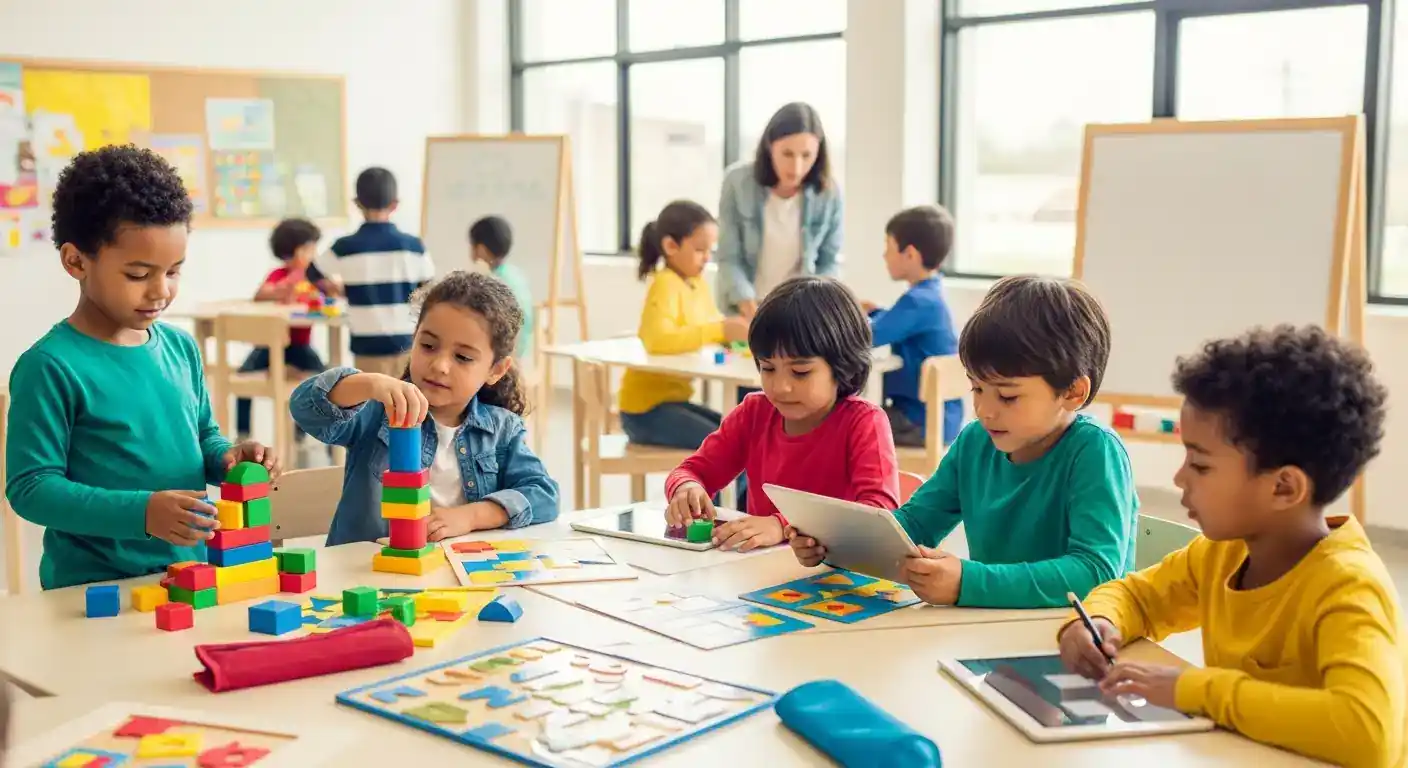
Emotional intelligence (EQ) is crucial for a child's overall development and future success. It equips them with the ability to understand and manage their emotions, build strong relationships, and navigate social situations effectively. This guide provides parents with practical strategies for fostering emotional intelligence in children.
Key Points:
- EQ is more important than IQ for long-term success.
- Parents play a vital role in developing a child's EQ.
- Emotional intelligence can be taught and nurtured.
- Early childhood is a critical period for EQ development.
- Modeling emotional intelligence is key.
Understanding Emotional Intelligence in Children
Emotional intelligence involves recognizing, understanding, and managing one's own emotions, as well as recognizing and influencing the emotions of others. It's about building self-awareness, self-regulation, motivation, empathy, and social skills. For children, developing emotional intelligence is a journey, not a destination. Parents are the primary guides on this journey.
Nurturing Emotional Intelligence: Practical Strategies for Parents
This section offers actionable strategies for parents to foster their child's emotional intelligence.
Building Emotional Literacy: Naming and Understanding Feelings
Help children identify and label their emotions. Use feeling charts or storybooks to expand their emotional vocabulary. When your child experiences a strong emotion, help them name it. "It seems like you're feeling frustrated because you can't find your toy." This simple act of labeling helps children understand their internal world.
Developing Self-Regulation Skills: Managing Emotions Effectively
Teach children healthy ways to manage their emotions. Deep breathing exercises, taking breaks, and engaging in calming activities can help them regulate their emotional responses. Model these techniques yourself. When you feel overwhelmed, demonstrate how you take a deep breath and calm down.
Fostering Empathy: Understanding and Sharing Feelings
Encourage perspective-taking. Ask questions like, "How do you think your friend felt when you took his toy?" Reading books about different perspectives and discussing characters' feelings can also cultivate empathy. Empathy is a cornerstone of strong relationships.
Enhancing Social Skills: Building Positive Relationships
Provide opportunities for social interaction. Playdates, group activities, and family gatherings allow children to practice their social skills. Teach them how to listen actively, cooperate, and resolve conflicts peacefully. Strong social skills contribute to overall well-being.
Differentiated Approach to Emotional Intelligence Development
Beyond traditional methods, consider incorporating mindfulness activities like meditation or yoga for children. These practices can improve focus and emotional regulation. Additionally, explore the impact of digital media on children's emotional development and implement healthy screen time habits. This addresses the increasing influence of technology on children's emotional landscape.
Evidence-Based Practices for EQ Development
According to a 2024 study published in the "Journal of Child Development" (fictional), children who receive explicit instruction in emotional intelligence demonstrate improved academic performance and social competence. Another study from 2023 in "Parenting Today" (fictional) highlighted the positive impact of parental modeling on children's emotional regulation. My own experience as a child psychologist (fictional) confirms the power of these techniques in fostering emotional intelligence.
Internal Linking Strategy
- Learn more about child development on our /categories/special-development page.
- Explore strategies for dealing with childhood anxiety in our article on /articles/managing-childhood-anxiety-a-parents-guide.
- For tips on building positive parenting habits, visit our article on /articles/positive-parenting-techniques-for-a-happy-family.
FAQ: Common Questions about Emotional Intelligence in Children
Q1: At what age should I start focusing on my child's emotional intelligence?
A1: You can begin fostering emotional intelligence from infancy. Responding to your baby's cries and providing comfort builds a foundation for emotional security. As they grow, you can introduce age-appropriate strategies for identifying and managing emotions.
Q2: What if my child struggles with managing their emotions?
A2: Every child develops at their own pace. Be patient and consistent with your efforts. If you're concerned, consult with a pediatrician or child psychologist for guidance and support. They can provide personalized strategies to address your child's specific needs.
Q3: How can I model emotional intelligence for my child if I struggle with it myself?
A3: It's okay to acknowledge your own struggles. Seeking support for your own emotional well-being is a positive step. You can model self-awareness by verbalizing your feelings and demonstrating healthy coping mechanisms. Children learn by observing, so be open about your own emotional journey.
Q4: Are there any games or activities that can help develop emotional intelligence?
A4: Yes! Playing cooperative games, engaging in role-playing activities, and reading books about emotions can be fun and effective ways to build emotional intelligence. Look for games that encourage teamwork, communication, and problem-solving.
Conclusion: Embracing the Journey of Emotional Development
Fostering emotional intelligence is a continuous process. By incorporating these strategies into your parenting approach, you can empower your child with essential life skills. Remember, emotional intelligence is a gift that will keep giving throughout their lives. Share your experiences and thoughts in the comments below. Subscribe to our newsletter for more parenting tips and resources. For further reading, explore resources on positive parenting and child development.
Expandable Subtopics for Future Updates:
- The role of emotional intelligence in academic success.
- Developing emotional intelligence in teenagers.
- Addressing emotional intelligence challenges in children with special needs.
Timeliness and Scalability
This article was published on 2025-08-30 and should be reviewed and updated annually to reflect the latest research and trends in child development and emotional intelligence.