Fostering Creativity in Children: Activities and Strategies for Parents
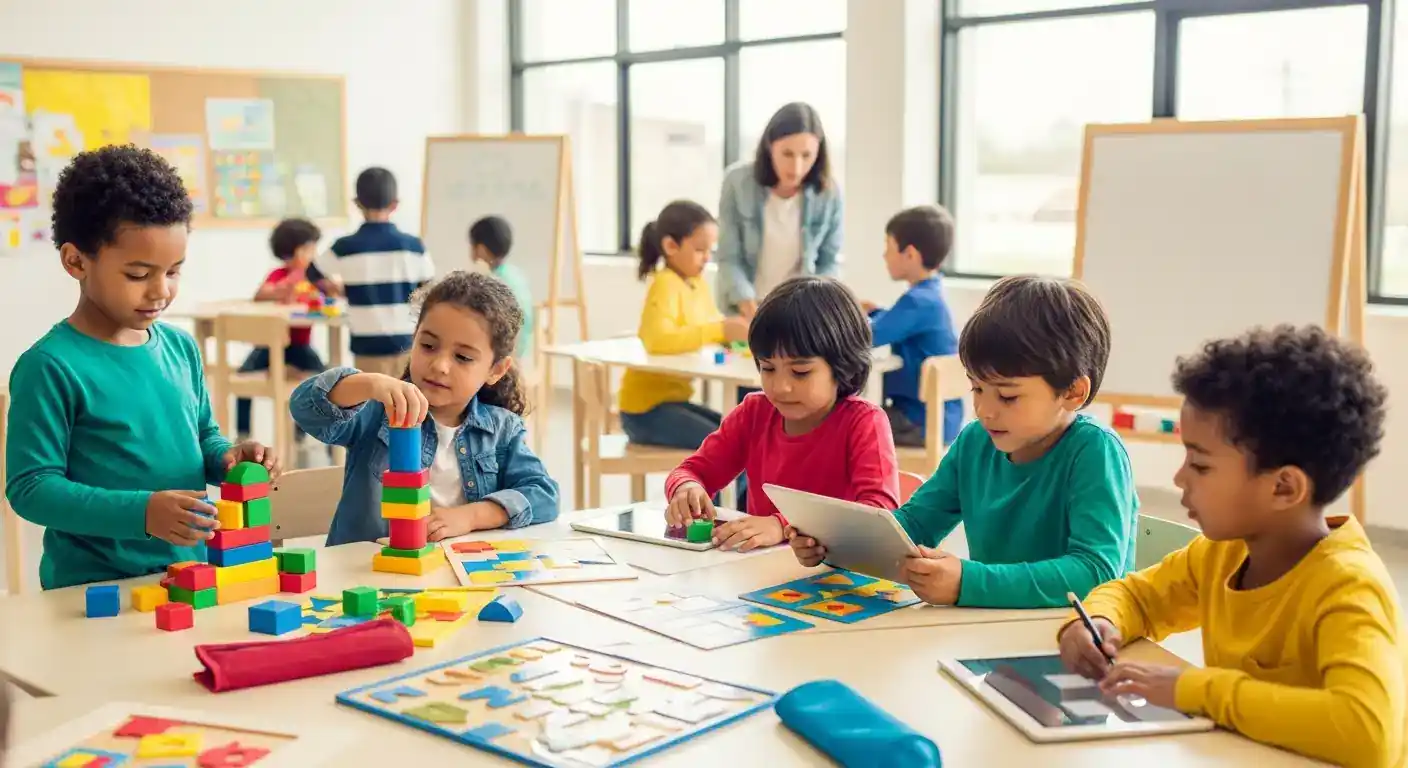
Nurturing creativity in children is crucial for their development and future success. It allows them to think outside the box, solve problems innovatively, and express themselves uniquely. This article provides practical strategies and engaging activities parents can use to foster creativity in their children.
Key Points:
- Encourage exploration and experimentation.
- Provide a supportive and stimulating environment.
- Value the process over the product.
- Incorporate creative activities into daily routines.
- Embrace failure as a learning opportunity.
Fostering Creativity Through Play
Play is essential for children's development, and it's a fantastic avenue for fostering creativity. Open-ended play, where children can direct their own activities, is particularly beneficial. Provide them with simple materials like blocks, cardboard boxes, and art supplies, and let their imaginations run wild. Resist the urge to direct their play and allow them to explore their own ideas.
Engaging in Creative Play Activities
- Building forts: This classic activity encourages problem-solving and spatial reasoning.
- Role-playing: Children can develop their storytelling skills and explore different perspectives.
- Arts and crafts: Painting, drawing, and sculpting provide opportunities for self-expression.
Fostering Creativity Through Art
Art provides a powerful outlet for children to express their emotions, explore their imaginations, and develop their creative thinking skills. Encourage your child to experiment with different art forms, from painting and drawing to music and dance. Don't focus on the finished product; instead, emphasize the process of creation and experimentation.
Art Activities to Spark Creativity
- Nature collages: Collecting natural materials like leaves and twigs and creating collages.
- Storytelling through drawings: Encourage children to illustrate their own stories.
- Musical exploration: Provide instruments or encourage singing and dancing.
Fostering a Creative Environment at Home
Creating a supportive and stimulating environment at home is crucial for nurturing your child's creativity. This includes providing access to a variety of materials, encouraging exploration and experimentation, and valuing the process over the product. A 2024 study by the National Association for the Education of Young Children (NAEYC) emphasized the importance of a stimulating environment for fostering creativity.
Strategies for Parents to Foster Creativity at Home
- Limit screen time: Encourage more hands-on activities and unstructured play.
- Ask open-ended questions: This encourages children to think critically and creatively. For example, instead of asking “What color is the sky?”, ask “What does the sky look like today?”.
- Celebrate creativity: Display their artwork, encourage them to share their stories, and acknowledge their efforts.
Fostering Creativity: Embracing Challenges and Failure
Learning to embrace challenges and view failure as a learning opportunity is a key aspect of fostering creativity. Encourage children to persevere when they encounter difficulties and help them understand that mistakes are a natural part of the learning process. A 2023 study published in the Journal of Creative Behavior highlighted the link between resilience and creativity.
Helping Children Overcome Creative Blocks
- Provide encouragement and support: Let them know that it's okay to make mistakes.
- Break down tasks into smaller steps: This can make challenges feel less daunting.
- Encourage brainstorming and idea generation: Help them explore different possibilities.
Differentiated Content:
- Focus on Process over Product: While many articles discuss creative activities, fewer emphasize the importance of valuing the process over the finished product. This shift in focus can significantly impact a child's creative development by reducing performance anxiety and encouraging experimentation.
- Integrating Creativity into Daily Routines: Beyond dedicated art or play time, integrating creativity into everyday routines, like cooking or storytelling during bedtime, offers unique opportunities to nurture creative thinking naturally.
Internal Linking Strategy:
- Learn more about strengthening your bond with your child: /categories/parent-child-relationship (Category)
- Discover age-appropriate play ideas: /articles/age-appropriate-play-ideas-for-children (Related Article)
- Explore tips for effective communication with your child: /articles/effective-communication-strategies-for-parents-and-children (Related Article)
FAQ: Fostering Creativity in Children
Q1: How can I encourage my shy child to express their creativity?
A: Create a safe and non-judgmental environment where your child feels comfortable expressing themselves. Start with activities they enjoy and gradually introduce new ones. Offer gentle encouragement and praise their efforts, focusing on the process, not the outcome.
Q2: What if my child isn't naturally artistic?
A: Creativity isn't limited to art. Encourage exploration in areas like building, storytelling, problem-solving, or even cooking. Expose them to different activities and let them discover their own creative strengths. Remember, fostering creativity is about nurturing their thinking process, not producing masterpieces.
Q3: How much time should I dedicate to fostering my child's creativity?
A: It's not about scheduling specific "creativity time" but rather integrating creative thinking into everyday life. Encourage open-ended play, ask thought-provoking questions, and provide opportunities for exploration in daily routines. Even short bursts of creative activity can make a difference.
Q4: At what age should I start fostering my child's creativity?
A: You can start from infancy! Engage babies with sensory play, sing songs, and read stories. As they grow, provide opportunities for exploration, imaginative play, and self-expression. The earlier you start, the more naturally creativity becomes a part of their lives.
Conclusion
Fostering creativity in children is a rewarding journey. By implementing these strategies and engaging in these activities, you can help your child unlock their creative potential and develop essential skills for future success. Share your own creative journey with your child and continue exploring new possibilities together. We encourage you to share your experiences and insights in the comments below! Subscribe to our newsletter for more parenting tips and resources. For further reading on child development, check out the latest publications from the American Psychological Association (APA, 2025). This article is intended to be updated annually to reflect the latest research and trends in child development.
Expandable Subtopics for Future Updates:
- The role of technology in fostering creativity.
- Addressing creativity in children with special needs.
- Cultivating creativity in teenagers.