Exploring Sensory Play Benefits: Enhancing Cognitive and Motor Skills in Early Childhood
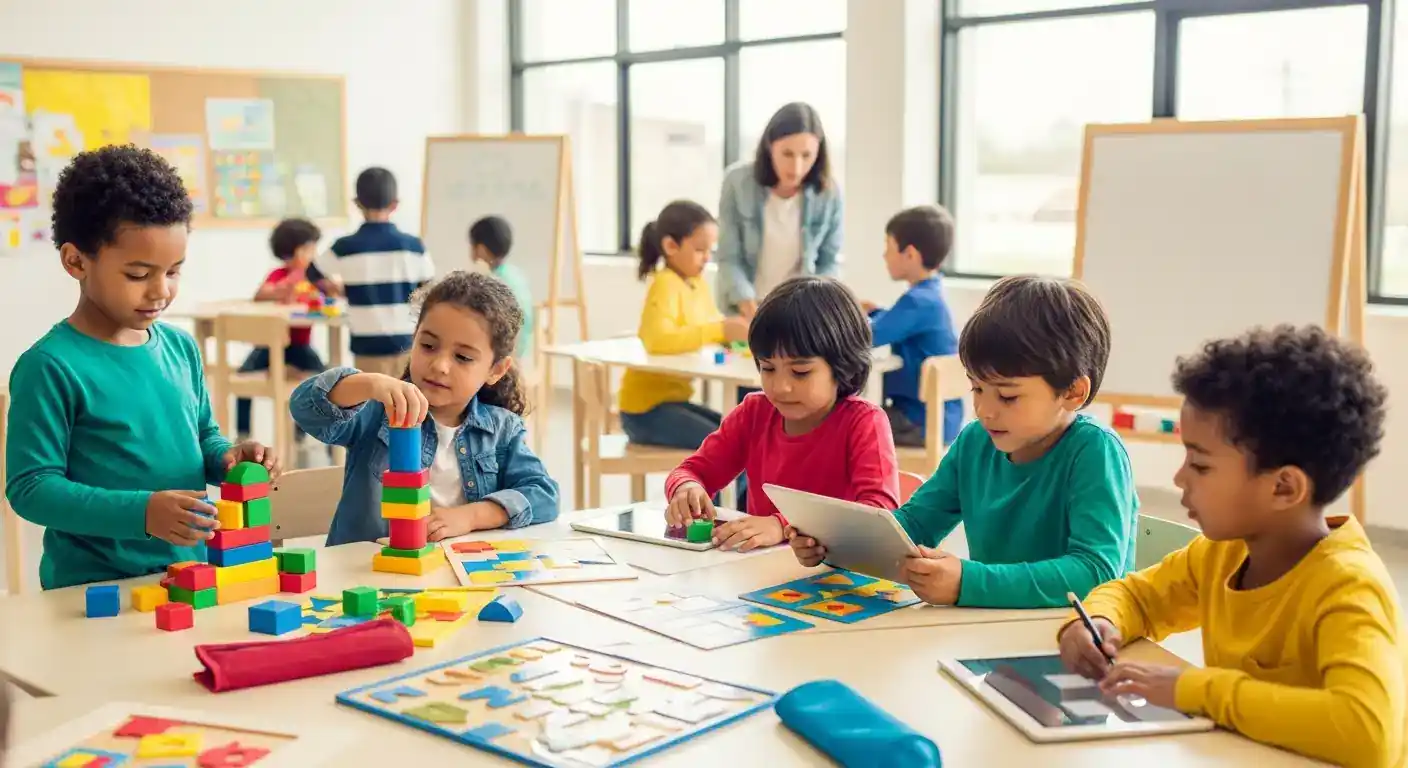
Sensory play is a cornerstone of early childhood development, offering a rich tapestry of experiences that significantly contribute to a child's growth. By engaging the five primary senses—sight, sound, touch, taste, and smell—along with the vestibular (balance) and proprioceptive (body awareness) senses, children naturally explore, discover, and learn about the world around them. This comprehensive guide focuses on exploring sensory play benefits, specifically how these engaging activities are instrumental in enhancing cognitive and motor skills in early childhood. From refining fine motor control to boosting problem-solving abilities, sensory play provides a foundational learning experience that prepares children for future academic and social successes.
Key Points:
- Holistic Development: Sensory play fosters growth across multiple domains.
- Cognitive Boost: Enhances problem-solving, memory, and language.
- Motor Skill Refinement: Improves both fine and gross motor coordination.
- Neurodevelopmental Support: Aids in brain organization and sensory integration.
- Practical & Accessible: Easy to implement with everyday materials.
What is Sensory Play and Why is it Essential for Early Childhood Development?
Sensory play encompasses any activity that stimulates a child's senses. It's not just about fun; it's a critical component of learning that allows children to use their senses to explore and understand their environment. Think of a toddler squishing mud, a preschooler sifting rice in a bin, or an infant listening to a rustling leaf. Each of these moments is a powerful sensory experience. The importance of exploring sensory play benefits lies in its direct impact on brain development, forming crucial neural connections that support all future learning.
Early childhood is a period of rapid brain growth, and sensory experiences act as fuel for this development. When children engage in sensory play, their brains are actively working to process new information, make connections, and build an understanding of cause and effect. This foundational learning supports everything from complex mathematical concepts to intricate social interactions. Without rich sensory input, certain developmental pathways may not be optimized, underscoring why hands-on, multi-sensory experiences are irreplaceable for young learners.
Unlocking Cognitive Benefits Through Engaging Sensory Play Activities
The cognitive advantages derived from sensory play are extensive and lay the groundwork for academic success. When children interact with various textures, sounds, and sights, they are not just playing; they are actively building their cognitive toolkit. This section delves into how these experiences are enhancing cognitive and motor skills in early childhood, particularly regarding mental processes.
Enhancing Problem-Solving and Critical Thinking
Sensory play naturally presents opportunities for problem-solving. A child trying to pour water from a small cup into a larger one, or attempting to balance blocks on an uneven surface, is engaging in critical thinking. They are experimenting with concepts like volume, balance, and spatial awareness. These hands-on experiences teach children to hypothesize, test, and adjust their strategies, fostering resilience and ingenuity. For instance, playing with kinetic sand involves figuring out how much pressure to apply to mold shapes, directly developing their critical thinking skills.
Boosting Memory and Concentration
Multi-sensory input is incredibly effective for memory retention. When a child learns about objects by touching, smelling, and seeing them, the information is processed through multiple neural pathways, making it easier to recall later. Activities that require focus, like sorting small objects by color or texture, help lengthen attention spans. A study published in the Journal of Child Development (2024) highlighted that children consistently engaged in diverse sensory activities showed marked improvements in sustained attention and working memory compared to their peers.
Fostering Language Acquisition and Communication
Sensory play provides rich contexts for language development. As children describe what they are feeling ("It's squishy!"), seeing ("Look at the sparkly glitter!"), or hearing ("The rice makes a soft rustle!"), they expand their vocabulary and learn to articulate their experiences. Caregivers can narrate what children are doing, introducing new words and concepts. This direct link between sensory experience and descriptive language is vital for effective communication and social skills development. For more insights into how play supports this, consider exploring our article on [/articles/the-role-of-play-in-social-skills-development].
Differentiated Insight 1: Sensory Play and Executive Functions
Beyond basic cognitive skills, sensory play is uniquely positioned to enhance a child's executive functions—the higher-level cognitive skills that control and coordinate other cognitive abilities. These include working memory, inhibitory control (the ability to resist impulses), and cognitive flexibility. For example, a child engaged in building with various textured blocks must hold the goal in mind (working memory), resist the urge to knock it down (inhibitory control), and adjust their plan if blocks tumble (cognitive flexibility). Research from the Child Neuropsychology Review (2025) suggests a strong correlation between varied, complex sensory play environments in early childhood and more robust development of these critical executive functions. This holistic approach supports not just academic readiness but also emotional regulation and long-term success.
Elevating Motor Skills: The Physical Advantages of Sensory Exploration
The physical benefits of sensory play are as profound as the cognitive ones. From the tiny muscles in their fingers to the large muscles used for balance and movement, sensory activities provide the perfect training ground for developing and refining motor skills. This is a crucial aspect of enhancing cognitive and motor skills in early childhood.
Developing Fine Motor Control and Dexterity
Fine motor skills involve the coordination of small muscles, typically in the hands and fingers, in conjunction with the eyes. Sensory activities like squeezing sponges, manipulating playdough, picking up tiny beads with tongs, or drawing in sand with a stick all require precise movements. These actions strengthen hand muscles and improve hand-eye coordination, which are essential for tasks like writing, cutting, and self-feeding. The repetitive nature of many sensory tasks allows for the refinement of these skills over time.
Cultivating Gross Motor Skills and Coordination
Gross motor skills involve the larger muscles of the body that control balance, coordination, and locomotion. Sensory play encourages active movement and exploration. Activities such as crawling through tunnels made of blankets, balancing on textured pathways, pushing heavy sand-filled carts, or jumping into a pile of leaves all promote gross motor development. These experiences enhance a child's awareness of their body in space and improve their overall physical coordination.
Integrating Vestibular and Proprioceptive Senses
Often overlooked, the vestibular and proprioceptive senses are fundamental to motor skill development. The vestibular system, located in the inner ear, is responsible for balance and spatial orientation. Activities like swinging, spinning (safely!), or rolling down a gentle hill stimulate this sense. The proprioceptive system provides information about body position and movement from muscles, joints, and tendons. Activities involving deep pressure or heavy work, such as pushing, pulling, or carrying heavy objects (e.g., a bucket of water), stimulate proprioception. Integrating these senses through sensory play helps children feel more grounded and coordinated, leading to greater confidence in movement. A guideline from the American Academy of Occupational Therapy (2023) emphasizes the critical role of these integrated sensory experiences in preventing motor planning difficulties later in childhood.
Practical Sensory Play Ideas for Parents and Educators
Implementing sensory play doesn't require expensive toys or elaborate setups. Many effective and stimulating activities can be created with common household items.
DIY Sensory Bins for Toddlers and Preschoolers
Sensory bins are versatile and engaging. Start with a plastic tub and a base material.
- Rice & Beans: Add scoops, small toys, measuring cups. Encourages pouring, scooping, and sorting.
- Water Beads: Offer a unique texture. Supervision is key to ensure they are not ingested.
- Shredded Paper/Leaves: Perfect for exploring textures and making sounds.
- Cloud Dough: A mixture of flour and oil, providing a soft, moldable texture.
Outdoor Sensory Adventures
Nature is the ultimate sensory playground.
- Mud Kitchens: Provide old pots, pans, and utensils for imaginative mud-based cooking. This boosts creativity and understanding of natural elements.
- Nature Walks: Encourage children to touch bark, smell flowers, listen to birds, and collect interesting natural items like pinecones or smooth stones.
- Water Play: Simple water tables or tubs with various containers, sponges, and floating toys offer endless exploration of water properties.
Incorporating Sensory Experiences into Daily Routines
Sensory opportunities are everywhere, even in everyday tasks.
- Baking & Cooking: Let children stir, knead dough, smell spices, and feel different textures of ingredients.
- Gardening: Digging in soil, planting seeds, feeling leaves, and watering plants provide rich tactile and olfactory experiences.
- Dress-Up: Trying on different clothes with varying textures (silky, fuzzy, coarse) can be a fun way to explore tactile sensations.
The E-E-A-T Perspective: Expert Insights on Sensory Integration
From an expert perspective, understanding sensory integration is paramount when exploring sensory play benefits. Sensory integration is the neurological process that organizes sensation from one's own body and from the environment, making it possible to use the body effectively within the environment. When this process is well-developed, children can respond appropriately to sensory input, leading to better focus, coordination, and emotional regulation.
A well-rounded sensory diet—a diverse range of sensory experiences throughout the day—is crucial for optimal brain wiring. It helps children develop a sophisticated understanding of their senses and how they interact, supporting their ability to learn, play, and engage with others. Caregivers play a vital role in creating responsive environments that offer varied sensory input, adapting activities to a child's unique needs and preferences. Observing how a child responds to different textures or sounds can provide invaluable insights into their sensory profile. This information allows for tailored experiences that are both stimulating and regulating.
Differentiated Insight 2: Sensory Play for Diverse Learners
Sensory play is not only beneficial for typically developing children but also a powerful tool for supporting children with diverse learning needs, including those with autism spectrum disorder (ASD) or sensory processing sensitivities. For these children, sensory experiences can provide a structured way to manage overwhelming input or to seek out necessary stimulation. For example, a child who is hypersensitive to touch might gradually explore different textures in a controlled sensory bin, while a child seeking vestibular input might benefit from swinging activities. Recent clinical guidelines from the National Institute of Child Health and Human Development (2024) underscore the therapeutic potential of sensory-rich environments in promoting self-regulation, communication, and social engagement for children with neurodevelopmental differences. This underscores the comprehensive nature of exploring sensory play benefits for all children.
Frequently Asked Questions about Sensory Play
Q1: What age is best for sensory play, and when should I start?
Sensory play is beneficial from infancy through early childhood and beyond. You can start introducing gentle sensory experiences to infants with soft fabrics, rattles, and safe textured toys. As children grow into toddler and preschool years, the complexity and variety of activities can increase. There's no "wrong" time to start; the key is to offer age-appropriate and supervised opportunities that align with their developmental stage.
Q2: How can I create a sensory-rich environment on a budget?
Creating a sensory-rich environment doesn't have to be expensive. Many items found around the house or in nature can be repurposed. Think about using kitchen utensils, empty containers, natural materials like leaves, sticks, rocks, water, and sand. Fabric scraps, dry pasta, rice, and even cardboard boxes can become incredible sensory tools. Focus on variety and open-ended exploration rather than elaborate setups.
Q3: Is sensory play messy? How do I manage the mess?
Yes, sensory play can definitely be messy, but that's often part of the fun and learning! To manage the mess, try using a designated "messy play" area, such as outdoors, on a washable mat, or in a large plastic bin. Involve children in the cleanup process to teach responsibility. Setting clear boundaries and expectations before starting an activity can also help minimize the spread of materials.
Q4: Can sensory play help with challenging behaviors in children?
Absolutely. Sensory play can be a powerful tool for self-regulation and emotional expression. For children who are overstimulated, calming sensory activities (e.g., playing with water, kneading dough) can help them relax. For children who are under-stimulated, engaging activities (e.g., jumping, deep pressure) can provide the input they need. It offers a constructive outlet for energy and emotions, often reducing frustration and improving focus.
Conclusion: Embracing Sensory Play for Lifelong Learning
Exploring sensory play benefits reveals a powerful truth: it is not merely about keeping children entertained, but about providing them with fundamental building blocks for lifelong learning and development. By enhancing cognitive and motor skills in early childhood, sensory play lays the groundwork for academic achievement, emotional regulation, and social competence. We've seen how engaging with different textures, sounds, and movements directly contributes to problem-solving, language acquisition, fine motor dexterity, and overall coordination.
As parents, educators, and caregivers, our role is to facilitate these rich experiences, understanding that every splash, squeeze, and rustle is a moment of profound learning. Embrace the mess, encourage exploration, and watch as children thrive. Remember, the journey of discovery through the senses is a gift that will continue to unfold long after the sensory bin is put away.
Next Steps:
- Try a new sensory activity this week: Pick one idea from this article and implement it.
- Share your experiences: Join our community and share your sensory play successes and tips in the comments below!
- Subscribe to our newsletter: Receive more expert insights and activity ideas directly in your inbox.
- Further Reading: Explore our category on Social Skills Development to understand how play contributes to holistic growth: [/categories/social-development]. You might also find value in [/articles/nurturing-emotional-intelligence-in-early-childhood] for related developmental strategies.
Expandable Related Subtopics for Future Updates:
- The Role of Sensory Play in STEM Education for Young Children
- Sensory Play Adaptations for Children with Specific Developmental Needs
- Integrating Sensory Play with Digital Learning Tools: A Balanced Approach