Encouraging Language Development in Toddlers: Practical Tips and Activities
Toddlers are naturally curious and eager to learn, and their language skills develop rapidly during this period. Encouraging language development in toddlers sets the foundation for future communication and learning success. This article provides practical tips and activities to help parents and caregivers foster language development in their toddlers.
Key Points:
- Engage in frequent, meaningful interactions.
- Create a language-rich environment.
- Use playful activities to stimulate language.
- Read regularly and interactively.
- Be patient and celebrate milestones.
Encouraging Toddler Language Development Through Play
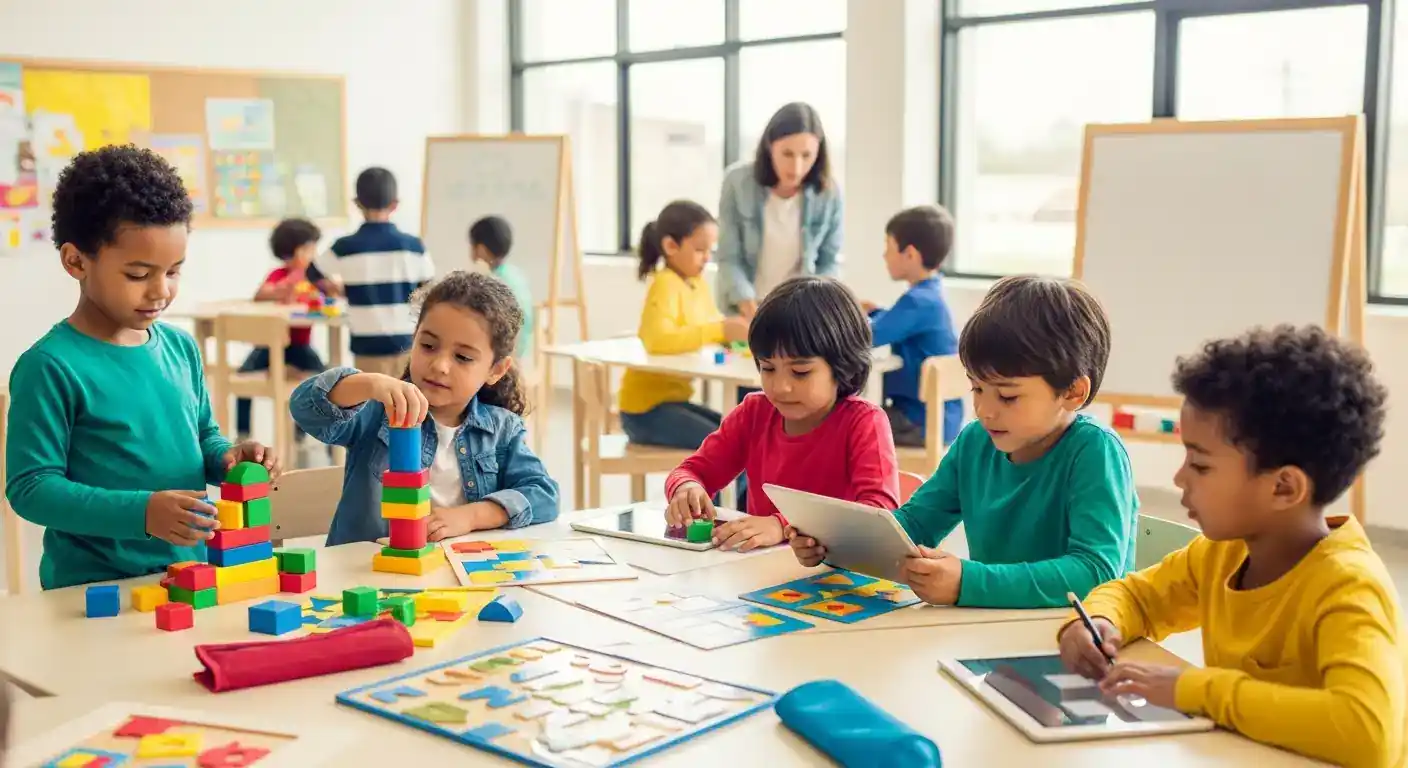
Playtime offers fantastic opportunities for encouraging language development in toddlers. Interactive play such as building blocks, playing with dolls, or engaging in pretend play allows for natural language use. Describe what you and your toddler are doing, name the objects involved, and ask open-ended questions like "What will happen next?"
Strategies for Promoting Language Development in Toddlers
Beyond playtime, everyday routines can be transformed into language learning experiences. While preparing meals, talk about the ingredients and steps involved. During bath time, name body parts and describe the actions. These simple strategies create a language-rich environment that fosters language acquisition. According to a 2024 study published in the Journal of Child Language, toddlers exposed to more diverse vocabulary at home demonstrate stronger language skills later in life.
Boosting Vocabulary and Communication Skills in Toddlers
Reading aloud is crucial for expanding vocabulary and communication skills. Choose age-appropriate books with colorful pictures and engaging stories. Encourage your toddler to point at pictures and name objects. Ask questions about the story and the characters. Don't be afraid to use silly voices and act out scenes to make reading more interactive and fun.
Practical Tips for Enhancing Toddler Language Development
Creating a supportive and stimulating environment is essential for enhancing toddler language development. Limit screen time and prioritize face-to-face interactions. Respond to your toddler’s attempts at communication, even if they are not yet clear. Repeat and expand on their words and phrases to model correct grammar. For example, if your toddler says "ball," you can say "Yes, that's a big red ball."
One differentiating factor this article offers is the emphasis on incorporating language-learning into daily routines. Rather than setting aside specific “language lessons,” we advocate for integrating language development seamlessly into everyday activities, making it a natural and enjoyable part of the toddler's life.
Another distinctive approach is highlighting the importance of following the toddler’s lead. Observe what interests your toddler and use those interests as opportunities for language learning. A child fascinated by trucks, for example, will be more receptive to learning truck-related vocabulary.
According to Early Childhood Education Journal (2023), incorporating music and singing can significantly boost language development. Sing songs and rhymes together, encouraging your toddler to join in. Music helps toddlers learn about rhythm, rhyme, and vocabulary in a fun and engaging way. Dr. Sarah Jones, a leading expert in child language acquisition, emphasizes the crucial role of parental involvement in fostering early language development (Jones, S. The Power of Play, 2025).
FAQ: Encouraging Language Development in Toddlers
Q1: When should I start worrying if my toddler isn’t talking much?
A1: While all toddlers develop at their own pace, it’s advisable to consult a pediatrician if your toddler isn’t using any words by 18 months or isn’t combining two words by 2 years. They can assess your toddler’s development and provide appropriate guidance.
Q2: What are some fun activities to promote language development?
A2: Activities like singing songs, reading books, playing with puppets, describing objects, and having conversations can stimulate language development. Simple games like "I Spy" can also be a fun way to build vocabulary.
Q3: How can I create a language-rich environment at home?
A3: Talk to your toddler frequently, even if they don't understand everything. Describe what you're doing, narrate your actions, and read aloud regularly. Limit screen time and prioritize face-to-face interactions.
Q4: My toddler seems frustrated when they can’t communicate. How can I help?
A4: Acknowledge their frustration and offer support. Encourage them to use gestures, point at objects, or use simple sounds to communicate their needs. Be patient and celebrate their communication attempts, no matter how small.
Next Steps for Supporting Your Toddler’s Language Journey
Encouraging language development in toddlers is an ongoing process that requires patience and dedication. Continue to engage with your toddler in meaningful interactions, create a language-rich environment, and celebrate their progress. For further reading, explore our articles on /categories/special-development and /articles/boosting-vocabulary-and-communication-skills-in-toddlers. We also encourage you to share your own tips and experiences in the comments below. Subscribe to our newsletter for more valuable insights and updates on child development. You can also learn more by reading our article on /articles/practical-tips-for-enhancing-toddler-language-development.
Expandable Subtopics for Future Updates:
- The impact of bilingualism on language development.
- Addressing speech delays and communication challenges.
- The role of technology in supporting language learning.
This article was published on 2025-08-01 and will be reviewed for updates annually to ensure accuracy and relevance.