Empowering Children with Anxiety: Practical Coping Mechanisms for Everyday Situations and School
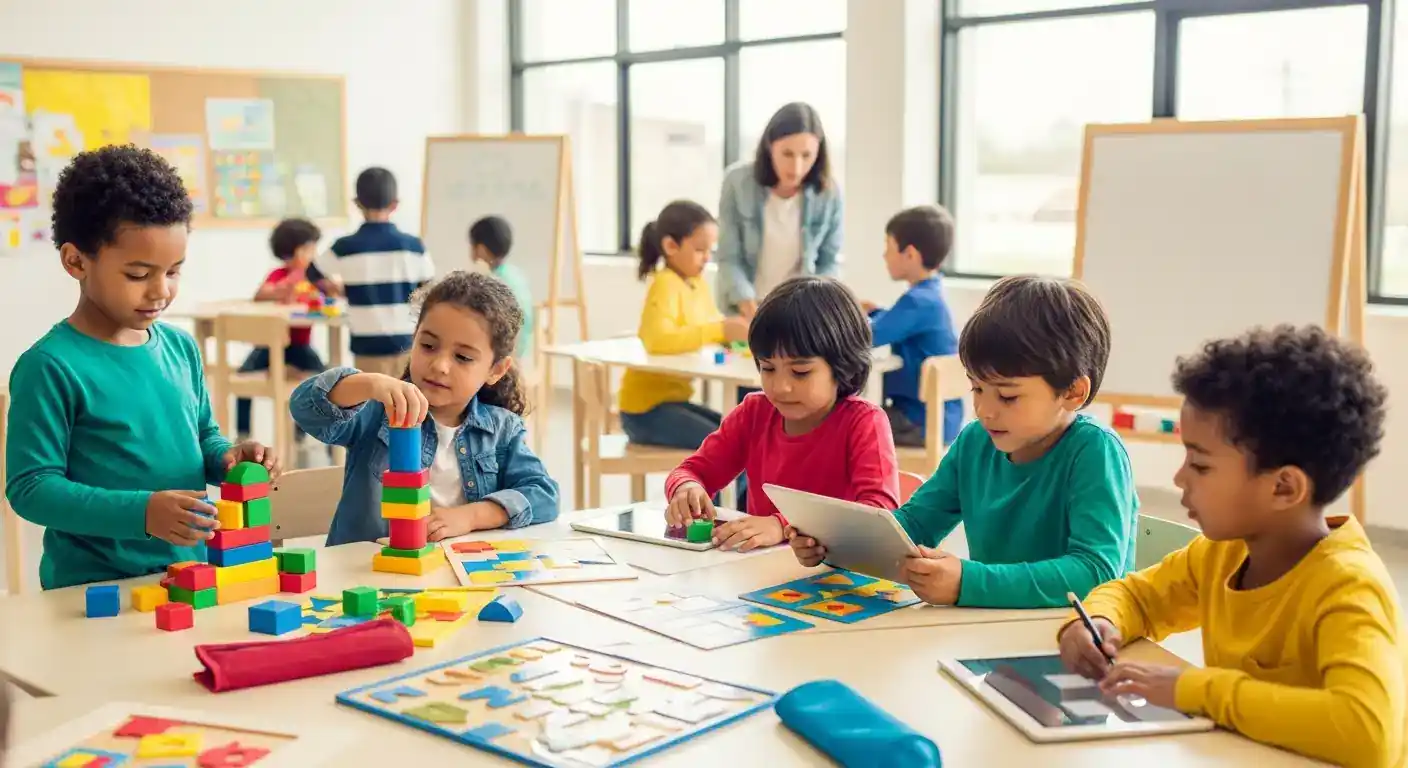
Empowering Children with Anxiety: Practical Coping Mechanisms for Everyday Situations and School
Childhood anxiety is a common yet often challenging experience for families. Understanding how to support and empower children facing anxiety in various settings—from social gatherings to the classroom—is crucial for their healthy development and well-being. This guide offers practical, evidence-based coping mechanisms designed to equip children with the tools they need to navigate their worries effectively. Our goal is to foster resilience, build confidence, and ensure children feel understood and capable, transforming anxiety from a barrier into a manageable challenge.
Key Points:
- Understand & Validate: Recognize anxiety signs and validate your child's feelings without dismissing them.
- Teach Practical Tools: Implement deep breathing, grounding, and positive self-talk strategies.
- Tailor to Context: Apply specific coping mechanisms for everyday events and school challenges.
- Foster Resilience: Encourage problem-solving and gradual exposure to anxiety triggers.
- Collaborate & Support: Work with educators and seek professional help when needed to create a supportive network.
Understanding Childhood Anxiety
Anxiety in children can manifest in numerous ways, from tummy aches and clinginess to irritability and school refusal. It's a natural human emotion, but for some children, it becomes overwhelming, impacting their ability to learn, socialize, and participate in daily life. Recognizing the unique signs of anxiety in your child is the first step toward effective intervention. This article provides a deep dive into practical strategies, focusing on actionable steps for both parents and children.
The prevalence of childhood anxiety has seen a notable increase, with modern pressures such as academic demands, social media, and a fast-paced environment contributing to heightened stress levels. Many children struggle silently, making it imperative for adults to be proactive in teaching emotional regulation and resilience. For a broader understanding of how anxiety presents, consider reading our article on /articles/understanding-childhood-anxiety-signs-and-causes.
Foundational Coping Mechanisms for Children with Anxiety
Teaching children fundamental skills to manage their emotions is paramount. These techniques form the bedrock upon which more specific strategies for everyday situations and school can be built. They help children develop a sense of control and agency over their internal experiences.
Deep Breathing and Grounding Techniques
Simple breathing exercises can quickly calm the nervous system. The "balloon belly" or "smell the flower, blow out the candle" techniques are easily taught and rememberable for younger children. Grounding techniques, like the 5-4-3-2-1 method (naming 5 things you can see, 4 things you can touch, 3 things you can hear, 2 things you can smell, and 1 thing you can taste), help redirect focus from anxious thoughts to the present moment. These tools are incredibly effective for on-the-spot anxiety relief.
Emotional Literacy and Expression
Helping children identify and name their feelings is a critical step in managing them. Using emotion charts or feeling thermometers can be beneficial. Encourage them to talk about their feelings without judgment, creating a safe space for expression. Sometimes, just articulating their anxiety can significantly reduce its intensity. Creative outlets like drawing or storytelling can also be powerful ways for children to express what they can't verbalize.
Positive Self-Talk and Cognitive Reframing
Challenging negative thought patterns is a core component of cognitive behavioral therapy (CBT). Teach children to identify "worry thoughts" and replace them with more realistic or positive ones. For example, instead of "I can't do this," encourage them to say, "I'll try my best, and that's enough." This shift in perspective helps children build a more optimistic outlook. It's about empowering children with anxiety to actively reshape their internal dialogue.
Practical Coping Mechanisms for Everyday Situations
Everyday situations, from birthday parties to doctor's appointments, can trigger anxiety in children. Applying specific, tailored strategies can make these experiences much more manageable. The goal is to gradually expose children to their triggers while providing them with robust support.
Navigating Social Events
Social gatherings can be daunting. Before an event, discuss what to expect and rehearse simple greetings or ice-breakers. During the event, establish a "safe person" or "safe space" where they can retreat if overwhelmed. Encourage short, achievable interactions initially, praising any effort. A 2024 study published in the Journal of Child Psychology and Psychiatry highlighted the effectiveness of pre-event planning and controlled exposure in reducing social anxiety.
Dealing with Transitions (e.g., Leaving Home, New Activities)
Transitions are common anxiety triggers. Create consistent routines around departures and arrivals. Use visual schedules for new activities to reduce uncertainty. For separating, practice brief separations, gradually increasing duration. A special "transition object" like a favorite stuffed animal can also provide comfort and security. Focusing on play-based transitions, where new activities are introduced as a fun game, can also significantly ease apprehension.
Managing Unexpected Changes
Life is full of surprises, and unexpected changes can be particularly distressing for anxious children. Teach them flexibility by modeling it yourself. Use stories or role-playing to explore different outcomes of a situation. Emphasize their ability to adapt and problem-solve, reminding them they've handled unexpected things before. Developing a "plan B" or "plan C" helps build their problem-solving skills and reduces the fear of the unknown.
Empowering Children with Anxiety in School
School is a common battleground for childhood anxiety, with academic pressures, social dynamics, and new environments all contributing to stress. These specific strategies can help children thrive academically and socially. This focus on school-specific coping mechanisms for children with anxiety is a key area of support.
Before School Routine Strategies
A calm, predictable morning routine can significantly reduce pre-school anxiety. This includes adequate sleep, a healthy breakfast, and time for a calming activity like deep breathing or a quick drawing. Visual schedules can help children know what to expect, reducing uncertainty. Consider packing a small, comforting item in their backpack, like a family photo or a smooth stone, as a tangible reminder of support.
During School: Classroom and Social Settings
Work with teachers to create a supportive classroom environment. Strategies might include a designated "calm down corner," pre-arranged breaks when feeling overwhelmed, or allowing a preferred seating arrangement. For social anxiety, gentle encouragement to participate, paired with specific social skills coaching, can be helpful. Research from the Child Mind Institute (2023) suggests that teacher-parent collaboration is a powerful factor in a child's school success. Parents looking for more comprehensive guidance on supporting their children in school might find value in our article /articles/parenting-strategies-for-anxious-children.
Test Anxiety and Performance Pressure
Test anxiety can paralyze even well-prepared students. Teach relaxation techniques to use before and during tests, such as deep breathing or progressive muscle relaxation. Encourage a focus on effort and learning rather than just grades. Practicing positive self-talk ("I know this material," "I can do my best") can also significantly reduce performance pressure. Normalizing mistakes and learning from them is also crucial.
The Role of Parental and Environmental Support
Beyond teaching direct coping skills, the environment children grow up in plays a massive role in their ability to manage anxiety. Parental presence, school collaboration, and professional help create a holistic support system.
Creating a Safe and Predictable Environment
Consistency and predictability are soothing for anxious children. Establish clear rules and routines, allowing for flexibility where appropriate. Ensure your home is a safe haven where feelings are validated, and worries can be openly discussed. Your calm presence can be the most powerful antidote to their anxiety.
Collaborative Approach with Educators
Open communication between parents and teachers is vital. Share insights about your child's anxiety triggers and effective coping strategies. Work together to implement accommodations or strategies within the school setting. This collaborative effort ensures a consistent support system across environments.
Seeking Professional Help When Needed
While these coping mechanisms are powerful, some children require additional professional support. If anxiety significantly impacts daily functioning, causes intense distress, or doesn't improve with home-based strategies, consulting a child therapist or psychologist is recommended. According to findings from the National Institute of Mental Health (NIMH) 2025 report on pediatric mental health, early intervention by a mental health professional can significantly improve long-term outcomes for children with anxiety disorders. For more resources and guidance on child behavior, explore our general category page: /categories/behavioral-psychology.
Frequently Asked Questions
Q: How can I tell if my child's anxiety is normal or needs intervention?
A: It's normal for children to experience some anxiety, especially in new situations. However, if their anxiety is intense, persistent, causes significant distress, interferes with daily activities (school, friendships, sleep), or seems out of proportion to the situation, it might be time to seek professional guidance. Trust your parental instincts; if you're concerned, it's always best to consult a healthcare professional.
Q: What is the single most effective coping strategy for school anxiety?
A: There isn't a single "most effective" strategy, as each child is unique. However, a combination of proactive strategies like teaching deep breathing, establishing a calm morning routine, and fostering open communication with teachers often yields the best results. Empowering the child with a sense of control over their reactions and collaborating with school staff are powerful overall approaches.
Q: How important is a consistent routine for an anxious child?
A: A consistent routine is incredibly important for anxious children. Predictability reduces uncertainty, which is a major trigger for anxiety. Knowing what to expect throughout the day, whether it's meal times, homework, or bedtime, provides a sense of security and control. While flexibility is important, maintaining core routines offers a stable foundation.
Q: Can digital tools help children manage anxiety?
A: Yes, certain digital tools can be helpful. Age-appropriate apps focusing on mindfulness, guided meditation, or interactive games that teach emotional regulation can support coping skills. However, these should complement, not replace, direct human interaction and professional guidance. It's crucial to vet apps for content quality and limit screen time to ensure a balanced approach to anxiety management.
Conclusion
Empowering children with anxiety involves a multi-faceted approach, combining practical coping mechanisms, a supportive environment, and where necessary, professional guidance. By teaching deep breathing, emotional literacy, positive self-talk, and tailored strategies for everyday and school situations, we can help children build resilience and confidence. Remember, every small step forward is a victory. Your consistent support and patience are the most powerful tools in their journey toward mastering anxiety.
We encourage you to share your experiences and strategies in the comments below. Your insights can help other parents and caregivers on similar journeys. For further reading and continuous support, explore our related articles on childhood behavioral psychology. This content will be reviewed and updated regularly to ensure it reflects the latest research and most effective practices in child anxiety management. Future topics may include "The Impact of Nutrition on Child Anxiety," "Utilizing Play Therapy for Anxious Children," and "Building Social Resilience in Shy Kids."