Empowering Children to Overcome Setbacks: Strategies for Fostering Resilience
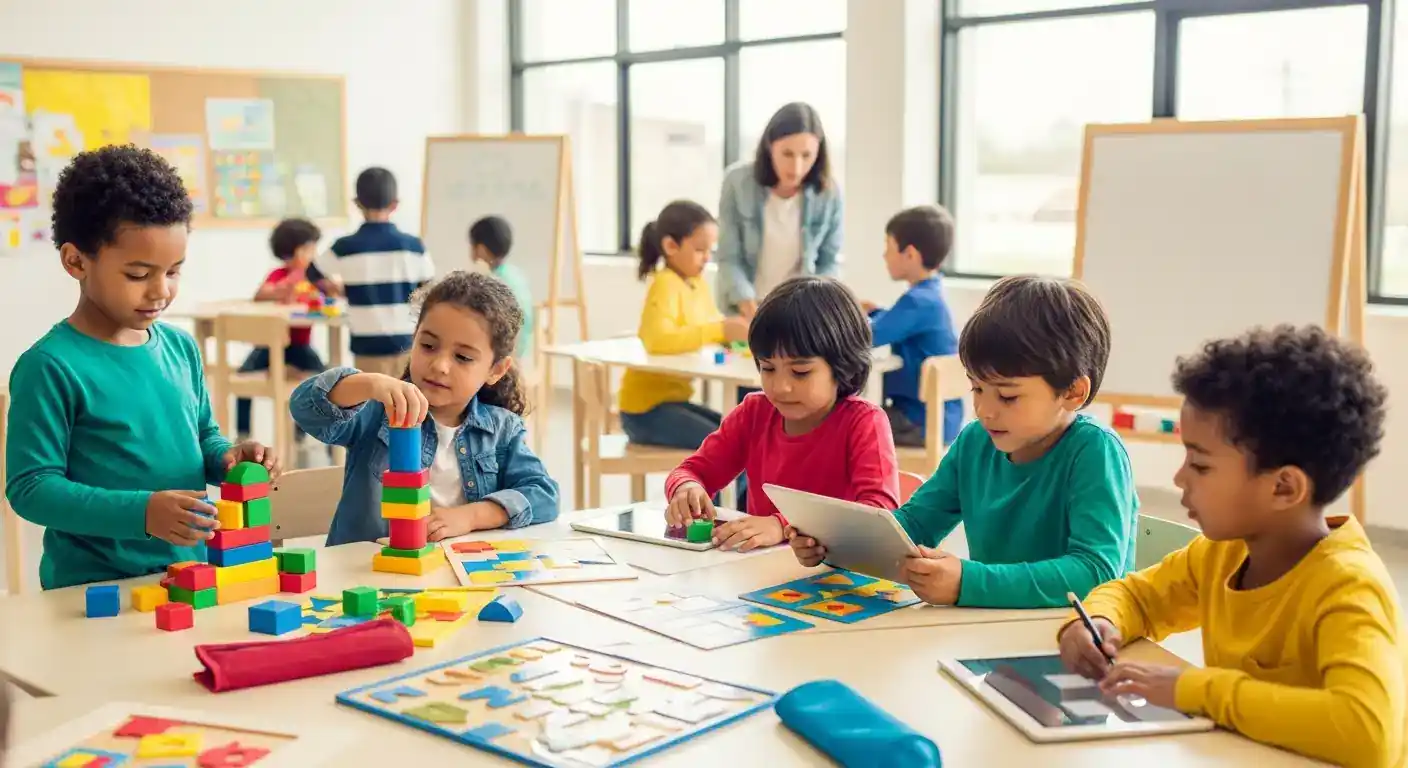
Empowering Children to Overcome Setbacks: Strategies for Fostering Resilience
Every child encounters obstacles and disappointments on their journey through life. These setbacks, while sometimes disheartening, present invaluable opportunities for growth. Empowering children to overcome setbacks is not about shielding them from difficulties, but rather equipping them with the tools and mindset to navigate adversity successfully. Fostering resilience in children helps them bounce back from challenges, learn from their experiences, and develop into adaptable, confident individuals. This article explores practical, evidence-based strategies that parents, educators, and caregivers can implement to cultivate this vital life skill.
Key Points:
- Embrace Challenges: See setbacks as opportunities for learning and growth.
- Teach Coping Skills: Equip children with emotional regulation techniques.
- Cultivate a Growth Mindset: Focus on effort and improvement, not just outcomes.
- Encourage Problem-Solving: Guide children to find their own solutions.
- Build Strong Connections: Foster supportive relationships for emotional security.
Understanding Resilience: More Than Just Bouncing Back
Resilience in children is a complex capacity that allows them to adapt positively in the face of significant adversity. It involves a combination of internal traits and external supports. It's not just about "bouncing back" but also about bouncing forward, using difficult experiences as catalysts for positive change and development. For effective learning and development assessment, understanding a child's resilience level is crucial. This proactive approach helps predict their ability to manage future stressors.
Recent psychological research, including insights from a 2024 study on positive child development published by the National Institute for Child Health, emphasizes that resilience is not an inherent trait, but a skill that can be taught and nurtured. This means that every child, regardless of their starting point, has the potential to develop greater resilience. Our role is to create an environment that supports this growth.
Cultivating a Growth Mindset for Overcoming Challenges
One of the most powerful strategies for empowering children to overcome setbacks is to foster a growth mindset. Developed by Dr. Carol Dweck, this concept posits that intelligence and abilities can be developed through dedication and hard work. Children with a growth mindset view challenges as opportunities to learn and grow, rather than as insurmountable barriers. They understand that their effort directly impacts their success.
Parents and teachers can cultivate this mindset by:
- Praising effort, not just outcomes: Instead of saying, "You're so smart!", try, "I love how hard you worked on that problem."
- Framing mistakes as learning opportunities: Help children analyze what went wrong and what they can do differently next time. For instance, after a failed attempt at a new puzzle, you might say, "That didn't work out as planned, but what did you learn from trying it that way?" This promotes critical thinking and continuous improvement.
- Sharing stories of perseverance: Discuss how successful people often faced numerous failures before achieving their goals. These narratives help children normalize struggle.
Effective Strategies for Building Coping Skills in Kids
Teaching children effective coping skills is fundamental to fostering resilience. When faced with stress or disappointment, children need healthy ways to process their emotions and respond constructively. Without these skills, they might resort to less adaptive behaviors. Building coping skills involves a range of techniques, from emotional regulation to problem-solving.
Consider these practical approaches:
- Emotional Literacy: Help children identify and name their feelings. Using phrases like, "It looks like you're feeling frustrated right now," validates their emotions and helps them understand what they're experiencing. This is a crucial first step in emotional regulation.
- Relaxation Techniques: Teach simple breathing exercises, mindfulness activities, or guided imagery to help calm their nervous system. A useful technique, as highlighted in a 2023 review on child mental health interventions by the American Psychological Association, is "belly breathing."
- Problem-Solving Steps: Guide them through a structured approach to challenges:
- Identify the problem: Clearly define what's going wrong.
- Brainstorm solutions: Encourage creative thinking, no idea is too silly at first.
- Evaluate options: Discuss the pros and cons of each solution.
- Choose and act: Select the best solution and try it.
- Review the outcome: What worked? What didn't? What would you do differently?
This systematic approach empowers children to feel competent and in control, significantly enhancing their ability to handle future overcoming challenges kids will inevitably face. You can find more structured approaches to this within the /categories/development-assessment resources.
Fostering Autonomy and Self-Efficacy
Allowing children to make age-appropriate choices and experience the natural consequences builds their sense of autonomy and self-efficacy. When children feel they have agency over their lives, they are more likely to persevere when faced with difficulties. This is a core component of fostering resilience in children.
- Offer Choices: Provide limited, age-appropriate choices, such as "Do you want to wear the blue shirt or the red one?" or "Would you like to do your homework before or after dinner?" This empowers them.
- Delegate Responsibilities: Assign tasks that are within their capabilities. Successfully completing a chore, for example, gives them a sense of accomplishment and competence.
- Resist Over-Intervention: While it's tempting to swoop in and fix every problem, stepping back allows children to grapple with minor setbacks and discover their own solutions. This develops their adaptive behaviors.
The Power of Supportive Relationships and Positive Connections
A strong network of supportive relationships is a critical protective factor in a child's development of resilience. Knowing they have people who care about them, believe in them, and will support them through tough times provides a secure base from which to explore and take risks. These connections offer emotional security that is vital for empowering children to overcome setbacks.
- Be a Consistent Role Model: Children learn by observing. Demonstrate your own resilience by openly discussing your challenges and how you cope with them. Show them your positive coping mechanisms.
- Active Listening: Truly listen to your child's concerns without judgment. Let them know their feelings are valid and you're there to help them process.
- Encourage Peer Connections: Facilitate opportunities for children to build healthy friendships and connections with peers, which can be a significant source of support.
- Seek Community Support: Connect with other families or community groups where children can find mentors and positive role models.
Differentiated Insights: Integrating Play-Based Learning and Neuroplasticity
Beyond traditional methods, integrating insights from neuroplasticity and play-based learning offers unique avenues for fostering resilience. The brain's ability to rewire itself means that experiences can literally reshape neural pathways. Play, especially unstructured and imaginative play, is a natural laboratory for children to practice problem-solving, emotional regulation, and social skills in a low-stakes environment.
A 2025 article in the Journal of Educational Neuroscience highlighted how open-ended play significantly enhances executive function skills, which are crucial for resilience. During play, children encounter mini-setbacks (e.g., a tower collapsing, a game not going as planned) and must adapt, negotiate, and persevere. This repeated practice builds neural pathways that support resilience in real-life situations. Encourage activities like building complex structures, imaginative role-playing scenarios, or even simple board games where they learn to handle winning and losing gracefully. These activities are excellent for teaching kids problem-solving skills. For more on nurturing emotional intelligence, explore /articles/nurturing-emotional-intelligence-in-kids.
FAQ Section
Q: How can I help my child develop self-advocacy skills when they're shy? A: Encourage self-advocacy by starting small. Practice at home by role-playing situations where they need to express their needs or opinions. Validate their feelings and empower them with phrases like, "Your ideas are important." Gradually expand this to situations outside the home, providing support but allowing them to speak for themselves. This builds confidence and assertiveness over time.
Q: What if my child consistently avoids challenges out of fear of failure? A: Address the underlying fear by reinforcing a growth mindset. Emphasize that learning comes from trying, not just succeeding. Celebrate effort and small wins, even if the main goal isn't met. Break down daunting tasks into smaller, manageable steps. Focus on the learning process and model how you handle your own fears. Over time, their self-efficacy will grow.
Q: Are there specific activities that are particularly good for building resilience? A: Yes, activities that encourage problem-solving, collaboration, and managing frustration are excellent. These include puzzles, building blocks, board games, team sports, learning a musical instrument, and engaging in creative arts. Outdoor adventures like hiking or camping also teach adaptability and perseverance. These experiences directly contribute to child resilience.
Q: How do I balance supporting my child with letting them experience natural consequences? A: It's a delicate balance that requires discernment. Support means providing a safe, loving environment and being available to listen. Letting them experience natural consequences means stepping back from fixing every minor issue. For instance, if they forget their homework, let them face the teacher's consequence, then discuss what they learned. Intervene when safety or severe emotional distress is a concern, but otherwise, allow for learning.
Conclusion: Nurturing Lifelong Resilience
Empowering children to overcome setbacks is an ongoing journey that requires patience, consistency, and a deep understanding of child development. By proactively teaching coping skills, fostering a growth mindset, encouraging autonomy, and ensuring strong supportive relationships, we equip children with the foundational strengths they need to thrive. These strategies go beyond immediate problem-solving, laying the groundwork for lifelong resilience and a robust ability to navigate life's inevitable ups and downs. The ability to persevere and learn from challenges is perhaps the greatest gift we can give them.
We encourage you to implement these strategies in your daily interactions. Share your experiences and insights in the comments below, or subscribe for more valuable content on child development and learning. For further reading on foundational skills, consider exploring articles related to /articles/understanding-child-development-milestones.