Effective Strategies for Nurturing Early Childhood Social Skills
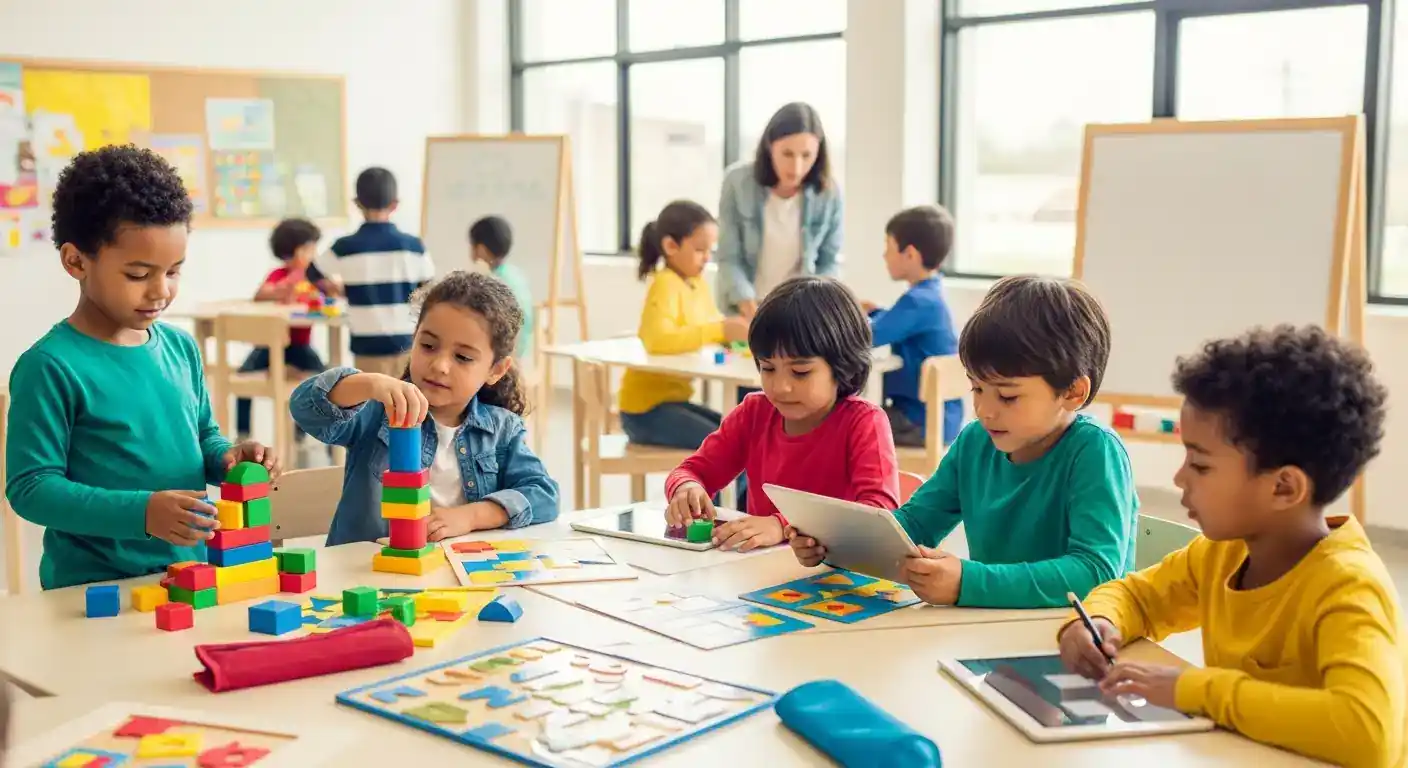
Early childhood is a critical period for developing social skills, the building blocks for healthy relationships and future success. Nurturing these skills requires a proactive approach from parents and caregivers. This article provides effective strategies to enhance social-emotional learning in young children.
Key Points:
- Play-based learning: Encourages interaction and cooperation.
- Emotional intelligence: Fostering empathy and self-regulation.
- Communication skills: Developing active listening and clear expression.
- Modeling positive behavior: Leading by example.
- Creating supportive environments: Providing opportunities for social interaction.
Nurturing Social Skills in Early Childhood: The Power of Play
Play is more than just fun; it's a crucial tool for social skill development. Through play, children learn to negotiate, share, cooperate, and resolve conflicts. Encourage imaginative play, where children take on different roles and learn to see things from others' perspectives. This fosters empathy and understanding. Provide opportunities for both structured and unstructured play, allowing children to develop their social skills at their own pace.
Building Emotional Intelligence: A Key to Social Success
Emotional intelligence is the ability to understand and manage one's own emotions and empathize with others. Teaching children to identify and label their feelings is the first step. Use storybooks, puppets, or real-life situations to discuss different emotions. Help children understand how their actions might affect others' feelings. This promotes self-awareness and social awareness, crucial aspects of emotional intelligence.
Effective Communication: Beyond Words
Communication is more than just talking; it's about active listening and clear expression. Encourage children to listen attentively when others are speaking. Teach them to use "I" statements to express their needs and feelings. Model good communication skills yourself by being a patient and attentive listener. Developing these skills will help children build strong and positive relationships throughout their lives.
Nurturing Social Skills through Positive Reinforcement
Positive reinforcement is a powerful tool for shaping behavior. Praise children when they demonstrate positive social skills, such as sharing, cooperating, or helping others. This reinforces the desired behavior and encourages them to repeat it. Avoid focusing solely on negative behaviors; instead, highlight the positive actions you want to see more of.
Creating Supportive Environments for Social Development
The environment plays a significant role in nurturing social skills. Create opportunities for social interaction, such as playdates, group activities, and family gatherings. Provide a safe and supportive space where children feel comfortable expressing themselves and interacting with others. A nurturing environment fosters confidence and encourages children to develop their social skills.
Practical Tips for Parents and Caregivers
- Limit screen time: Encourage face-to-face interactions instead.
- Read books together: Discuss characters' feelings and actions.
- Role-play social situations: Practice different scenarios.
- Model appropriate behavior: Be a positive role model.
- Celebrate small victories: Acknowledge and praise positive social interactions.
Differentiated Content:
Focus on Neurodiversity: Acknowledge that children develop social skills at different rates and in different ways. Tailor strategies to individual needs and learning styles, particularly for children with autism or other neurodevelopmental differences. This approach promotes inclusivity and celebrates individual strengths.
Digital Citizenship: In today's digital age, it's essential to teach children about online social skills and etiquette. Discuss responsible online behavior, such as respecting others' opinions and protecting personal information. This prepares children for the social challenges and opportunities of the digital world.
Authoritative Citations:
- The Whole-Brain Child by Daniel J. Siegel and Tina Payne Bryson (2023 edition) discusses the importance of integrating the different parts of the brain for emotional regulation.
- The Power of Showing Up by Daniel J. Siegel and Tina Payne Bryson (2020 edition) emphasizes the importance of secure attachment in fostering social-emotional development.
Internal Linking Strategy:
- Anchor Text: emotional intelligence; Target Page: /articles/understanding-emotional-intelligence-in-children; Type: Related Article
- Anchor Text: positive reinforcement; Target Page: /articles/effective-positive-reinforcement-techniques-for-children; Type: Related Article
- Anchor Text: child development stages; Target Page: /categories/child-development-stages; Type: Category
FAQ: Nurturing Early Childhood Social Skills
Q: At what age should I start focusing on my child's social skills?
A: Social skill development begins in infancy. Even newborns benefit from positive interactions and responsive caregiving. As children grow, you can introduce age-appropriate activities and strategies to promote social-emotional learning.
Q: What are some signs of social skill difficulties in young children?
A: Some signs might include difficulty making friends, frequent tantrums, aggressive behavior, or difficulty understanding social cues. If you have concerns, consult with your pediatrician or a child development specialist.
Q: How can I help my shy child develop social skills?
A: Create opportunities for gradual exposure to social situations. Start with small playdates or interactions with familiar adults. Provide encouragement and praise for any positive social interactions. Avoid labeling your child as "shy."
Q: What if my child struggles with sharing?
A: Sharing is a complex skill that takes time to develop. Start by modeling sharing behavior yourself. Use positive reinforcement when your child does share. Provide opportunities for turn-taking and cooperative play.
Conclusion: Investing in Social-Emotional Learning
Nurturing early childhood social skills is an investment in your child's future. By providing opportunities for play, fostering emotional intelligence, and creating supportive environments, you can equip your child with the essential skills they need to thrive socially and emotionally. Share your experiences and tips in the comments below! For further reading, explore our articles on positive parenting and child development milestones. Subscribe to our newsletter for more valuable insights on child development.
Expandable Subtopics for Future Updates:
- The role of temperament in social skill development.
- Addressing specific social skill challenges, such as aggression or shyness.
- The impact of technology on social skills in early childhood.