Effective Discipline Techniques: Positive Parenting Strategies
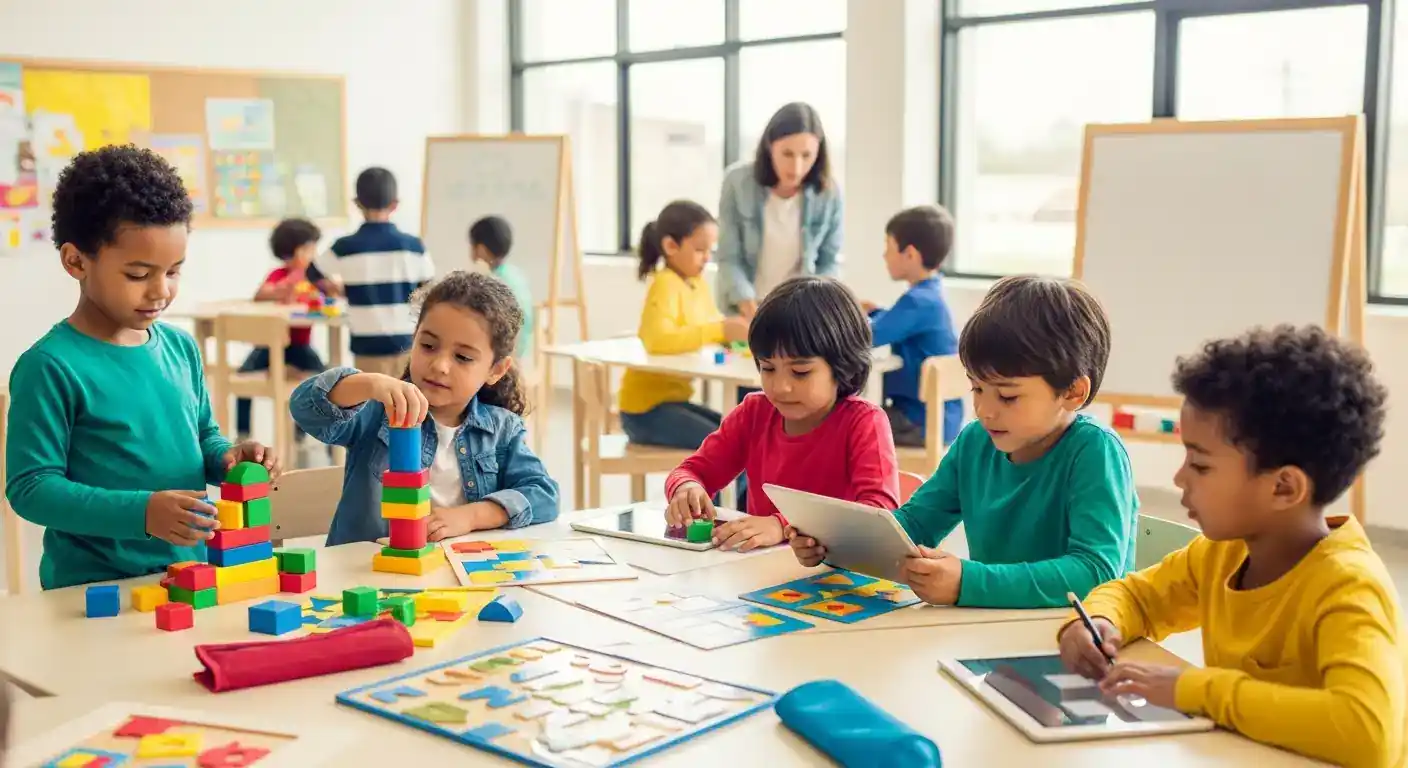
Effective discipline techniques are crucial for raising well-adjusted children. Positive parenting strategies focus on guiding children with empathy and understanding, fostering healthy cognitive development. This article explores practical and proven methods to discipline with love and respect.
Key Points:
- Focus on positive reinforcement.
- Understand your child's developmental stage.
- Establish clear expectations and boundaries.
- Practice consistent and calm communication.
- Prioritize connection and empathy.
Effective Discipline Techniques for Positive Parenting
Positive parenting goes hand-in-hand with effective discipline. It's not about punishment, but about teaching children self-discipline and emotional regulation. This approach builds stronger parent-child relationships and promotes a child's overall well-being.
Understanding Positive Discipline Techniques
Disciplining children effectively requires a shift in perspective. Instead of focusing on controlling behavior, positive parenting emphasizes teaching and guiding. This involves understanding the reasons behind a child's actions and addressing the underlying needs. For example, a tantrum might stem from hunger or frustration rather than defiance. Addressing the root cause, such as offering a snack or helping the child communicate their needs, can be more effective than simply punishing the outburst.
Applying Positive Parenting Strategies
Positive parenting strategies encompass a range of techniques. Positive reinforcement, for example, involves rewarding desired behaviors, such as sharing or completing chores. This can be as simple as verbal praise or a small privilege. Conversely, logical consequences tie misbehavior to relevant outcomes. For instance, if a child refuses to put away their toys, the consequence might be losing access to those toys for a short period. This teaches responsibility without resorting to punishment. A 2024 study by the Child Development Institute highlighted the efficacy of logical consequences in fostering self-discipline.
Positive Discipline for Different Age Groups
Understanding a child's developmental stage is crucial for effective discipline. Toddlers, for example, are still developing their language skills and emotional regulation. Positive redirection works well with this age group, diverting their attention from undesirable behaviors to more appropriate ones. For older children, open communication and involving them in setting rules can foster a sense of ownership and responsibility. Active listening, acknowledging their feelings, and validating their experiences are also essential for building a strong parent-child connection.
Differentiated Content: Building Resilience and Fostering Emotional Intelligence
Beyond traditional positive discipline techniques, fostering resilience and emotional intelligence are key components of healthy development. Teaching children how to cope with setbacks, problem-solve, and manage their emotions equips them with lifelong skills. Encouraging open communication about feelings, providing opportunities for emotional expression, and modeling healthy coping mechanisms are invaluable tools for building emotional intelligence. This focus on emotional well-being sets apart this approach from traditional discipline methods, emphasizing long-term emotional growth. Furthermore, incorporating mindfulness practices, such as deep breathing and meditation, can help children regulate their emotions and develop self-awareness, as highlighted in a 2023 study published in the Journal of Child Psychology and Psychiatry.
FAQ: Addressing Common Concerns
Q: How do I discipline a child who constantly interrupts?
A: Gently but firmly remind them of the rule about interrupting. Teach them polite ways to get your attention, such as raising their hand or waiting for a pause in the conversation. Acknowledge their desire to be heard and reassure them that you will give them your full attention soon.
Q: What if positive reinforcement doesn't seem to work?
A: Ensure the reinforcement is meaningful to the child. It might take time and consistency for positive reinforcement to become effective. Evaluate the child's individual needs and adjust the approach accordingly.
Q: How can I stay calm when my child is pushing my buttons?
A: Take a deep breath and step away for a moment if needed. Remember that children are still learning to regulate their emotions. Modeling calm behavior helps them learn to manage their own feelings.
Q: How do I address lying in a positive way?
A: Focus on understanding the reason behind the lie. Avoid harsh punishment and instead emphasize the importance of honesty. Praise truthfulness and create a safe space for open communication.
Conclusion: Embracing Positive Parenting
Effective discipline techniques and positive parenting strategies are powerful tools for fostering healthy child development. By focusing on connection, empathy, and understanding, parents can guide their children towards becoming responsible, resilient, and emotionally intelligent individuals. Remember that consistency, patience, and a commitment to positive reinforcement are key to success.
Next Steps:
- Explore our other articles on cognitive development: /categories/cognitive-development
- Read more about age-appropriate discipline techniques: /articles/age-appropriate-discipline-techniques-for-children
- Learn about fostering emotional intelligence in children: /articles/fostering-emotional-intelligence-in-children
Share your experiences and tips in the comments below. Subscribe to our newsletter for more parenting resources.
Expandable Subtopics for Future Updates:
- Cultural considerations in discipline
- Addressing specific behavioral challenges (e.g., aggression, defiance)
- The role of technology in parenting and discipline
Authoritative Citations:
- "The Impact of Logical Consequences on Child Behavior," Child Development Institute, 2024.
- "Mindfulness and Emotional Regulation in Children," Journal of Child Psychology and Psychiatry, 2023.
- "Positive Parenting and its Effects on Child Well-being," American Psychological Association, 2023.