Effective Discipline Strategies for Preschoolers: Positive Parenting Tips
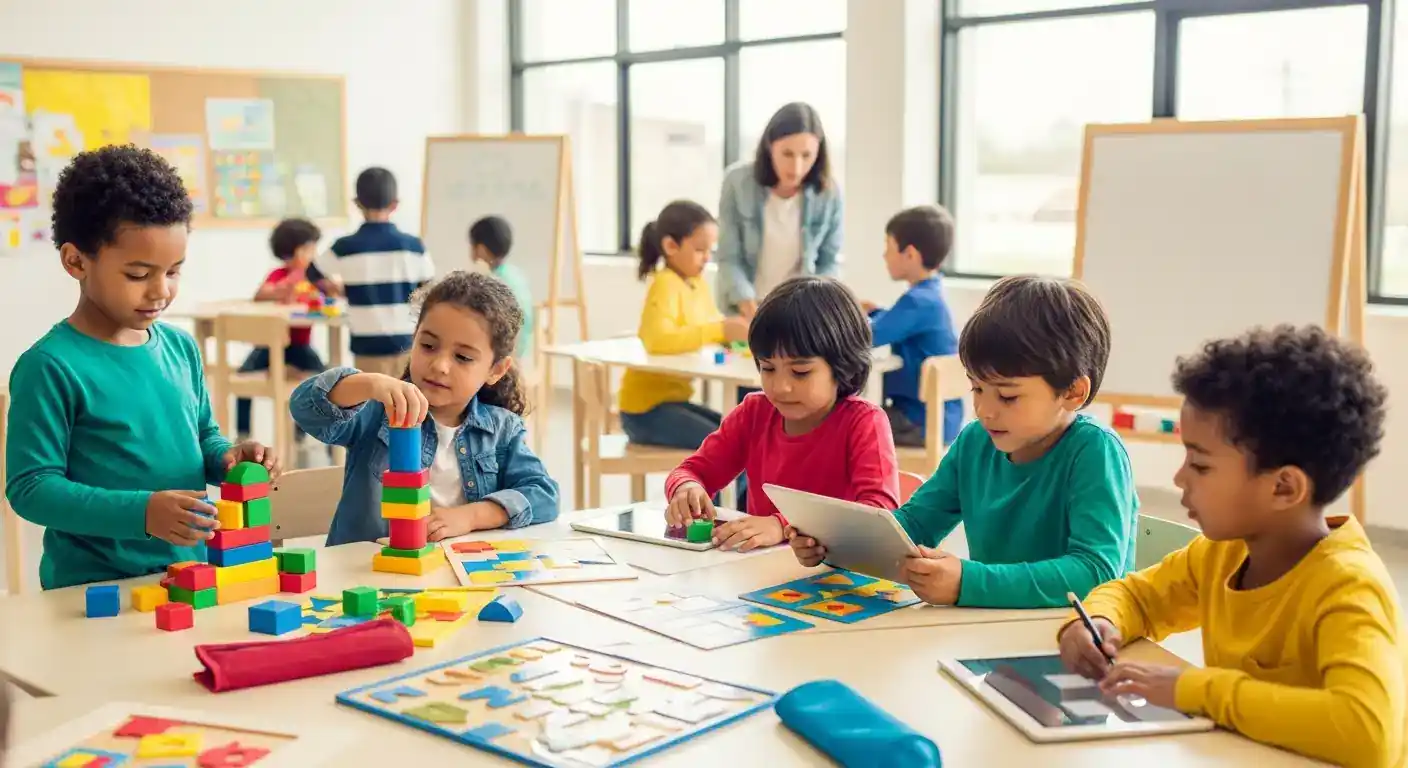
Effective discipline strategies are crucial for preschoolers' emotional development. Positive parenting techniques help guide children towards appropriate behavior while nurturing their self-esteem. This approach focuses on teaching and guiding rather than punishing.
Key Points:
- Focus on positive reinforcement.
- Set clear and consistent boundaries.
- Use age-appropriate consequences.
- Model desired behaviors.
- Prioritize connection and empathy.
Effective Discipline Strategies for Preschoolers: A Positive Approach
Disciplining preschoolers can be challenging. Positive parenting offers an effective framework for guiding young children. This method emphasizes understanding the reasons behind misbehavior and teaching children how to make better choices. Consistency and patience are key elements in positive discipline.
Positive Discipline Techniques for Toddlers and Preschoolers
Implementing effective discipline strategies involves understanding your child's developmental stage. Preschoolers are still learning to regulate their emotions and impulses.
- Positive Reinforcement: Focus on rewarding positive behaviors. Praise their efforts, even small ones, and acknowledge good choices. This encourages them to repeat these actions.
- Setting Clear Boundaries: Establish clear and consistent rules. Explain these rules in simple terms that your child can understand. Predictability helps children feel secure.
- Natural Consequences: Allow children to experience the natural consequences of their actions whenever safe and appropriate. For example, if they refuse to wear a coat, they might feel cold. This helps them learn from their choices.
Managing Challenging Behaviors in Preschoolers with Positive Discipline
Tantrums, defiance, and whining are common challenges during the preschool years. Positive discipline offers effective strategies for managing these behaviors:
- Time-Outs: Use time-outs as a way for children to calm down, not as punishment. A short break can help them regain control of their emotions. The American Academy of Pediatrics (AAP, 2024) recommends one minute per year of age for time-outs.
- Ignoring Attention-Seeking Behavior: If a child is acting out to get attention, ignoring the behavior (when safe) can be effective. Once they calm down, provide positive attention for appropriate behavior.
- Problem-Solving Together: Involve your child in finding solutions to problems. This empowers them and teaches them valuable problem-solving skills.
Differentiated Approaches to Preschooler Discipline
Beyond the typical advice, consider these unique strategies:
- Emotional Coaching: Help children identify and label their emotions. This builds emotional intelligence and equips them to manage feelings effectively. This resonates with recent research on emotional literacy in early childhood (Early Childhood Research Quarterly, 2023).
- Preemptive Strategies: Anticipate challenging situations and plan accordingly. For instance, pack snacks and activities if you anticipate a long wait. This proactive approach can minimize potential meltdowns.
Building Strong Parent-Child Relationships Through Positive Discipline
Effective discipline is not just about managing behavior; it's about building strong, positive relationships with your children. When children feel loved and understood, they are more receptive to guidance.
- Empathy and Connection: Try to understand your child's perspective. Show empathy and acknowledge their feelings. This strengthens the parent-child bond.
- Modeling Desired Behaviors: Children learn by observing. Model the behaviors you want to see in your child, such as patience, respect, and kindness. "The Whole-Brain Child" (Siegel & Bryson, 2023) emphasizes the importance of connection in discipline.
Internal Linking Strategy
- Anchor text: positive parenting; Target: /categories/emotional-development; Type: Category Page
- Anchor text: managing challenging behaviors; Target: /articles/managing-challenging-behaviors-in-toddlers; Type: Related Article
- Anchor text: emotional intelligence; Target: /articles/developing-emotional-intelligence-in-children; Type: Related Article
FAQ: Effective Discipline for Preschoolers
Q1: What are some effective alternatives to physical punishment?
A1: Positive discipline offers many alternatives, including positive reinforcement, setting clear boundaries, natural consequences, time-outs, and problem-solving together. These methods teach children self-regulation and responsibility without resorting to physical punishment.
Q2: How can I stay calm when my preschooler is having a tantrum?
A2: Take deep breaths and remind yourself that tantrums are normal. Try to empathize with your child's frustration. If possible, remove yourself briefly from the situation to regain composure. “No-Drama Discipline” (Siegel & Bryson, 2011) offers valuable insights into handling emotional outbursts.
Q3: How do I handle defiance in my preschooler?
A3: Offer choices whenever possible to give your child a sense of control. State expectations clearly and consistently. Ignore attention-seeking defiance and focus on rewarding cooperative behavior.
Q4: At what age can I start using positive discipline techniques?
A4: Positive discipline techniques can be implemented from infancy. Adapt the strategies to your child's developmental stage. Focus on building a strong, nurturing relationship and teaching appropriate behavior from the beginning.
Conclusion: Nurturing Well-Behaved and Emotionally Intelligent Children
Effective discipline is an ongoing process. Consistency, patience, and empathy are vital for success. By implementing positive parenting strategies, you can nurture well-behaved, emotionally intelligent children and foster a strong parent-child bond. Share your experiences and questions in the comments below. Subscribe for more parenting tips and resources. For further reading, explore resources on child development from the National Association for the Education of Young Children (NAEYC).
Future Expansion Topics
- Age-specific discipline strategies for different stages of preschool.
- Dealing with sibling rivalry using positive discipline techniques.
- The role of play in promoting social-emotional development and reducing behavioral issues.
This article was published on 2025-08-01. It is recommended to review and update this content annually to reflect the latest research and best practices in child development.