Developing Prosocial Behaviors in Toddlers: Encouraging Sharing and Cooperation
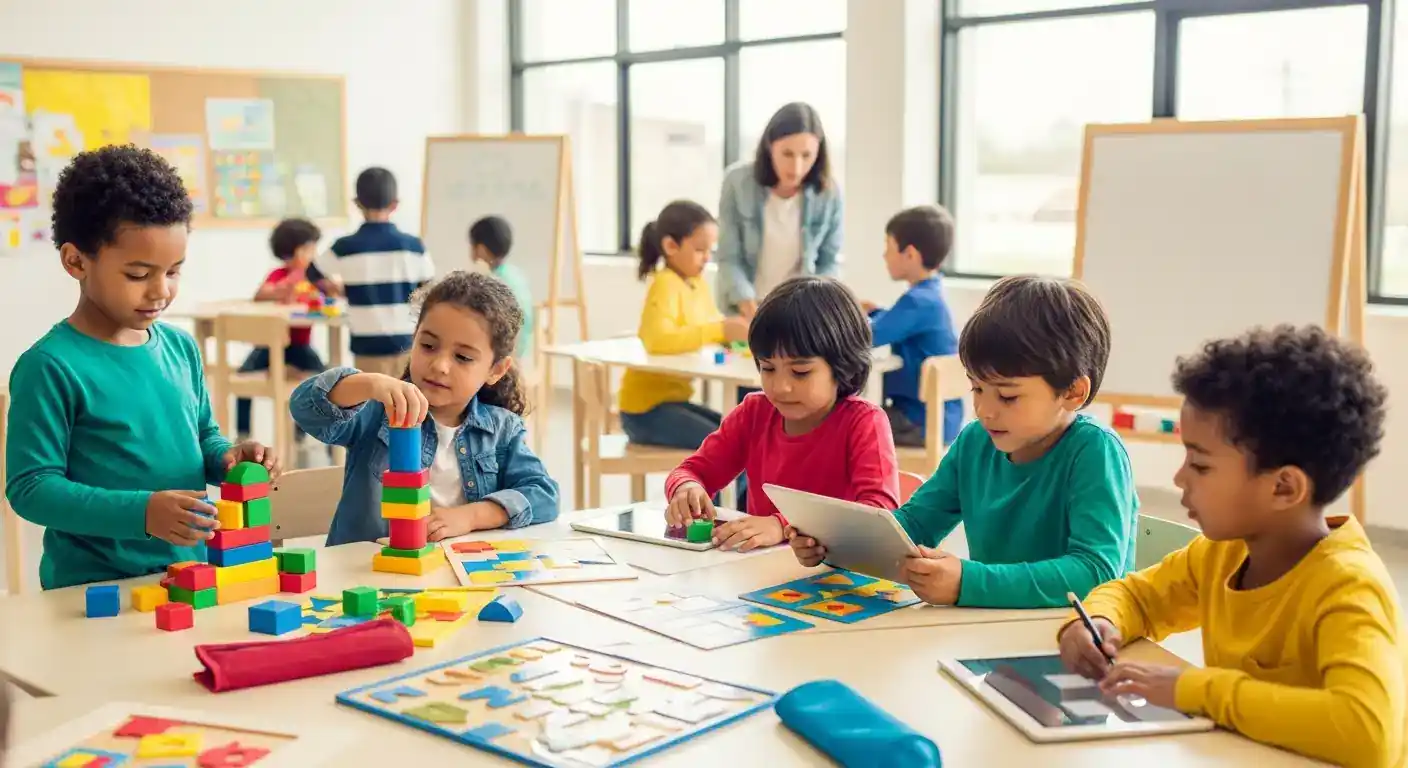
The toddler years are a whirlwind of rapid growth, discovery, and the initial sparks of social understanding. It's a critical period for developing prosocial behaviors in toddlers, laying the groundwork for empathy, kindness, and positive peer interactions. While toddlers are often associated with egocentrism, their capacity for sharing and cooperation is budding, waiting for gentle guidance and consistent encouragement. This article explores practical, age-appropriate strategies to nurture these vital skills, transforming everyday interactions into valuable learning opportunities for your little one.
Building a foundation of prosocial behaviors extends far beyond just playtime; it impacts a child's ability to form friendships, navigate social challenges, and even achieve academic success later in life. By understanding the developmental stages and employing effective techniques, parents and caregivers can empower toddlers to become thoughtful, cooperative individuals.
Key Points for Fostering Prosocial Skills:
- Model the Behavior: Children learn best by observing adults.
- Acknowledge Efforts: Praise and validate attempts at sharing and cooperation.
- Teach Turn-Taking: Use structured activities to practice sharing resources.
- Guide Emotions: Help toddlers understand and manage their feelings, which impacts social interactions.
- Set Realistic Expectations: Toddlers are still developing; patience is key.
Understanding Prosocial Development in Young Children
Prosocial behavior encompasses voluntary actions intended to benefit another person, such as helping, sharing, comforting, and cooperating. For toddlers, these behaviors are often rudimentary, driven by imitation and emerging empathy. Their cognitive abilities are still developing, making it challenging for them to fully grasp another's perspective or delay gratification. However, consistent exposure to positive social interactions and explicit teaching can significantly accelerate this development.
Early experiences with sharing and cooperation are foundational. Research published in the Journal of Child Psychology and Psychiatry in early 2024 emphasizes that consistent, positive reinforcement of these behaviors in early childhood correlates with improved social competence and reduced behavioral problems in later years. This highlights the long-term impact of intentionally developing prosocial behaviors in toddlers.
Fostering Sharing in Toddlers: Practical Strategies for Parents
Sharing can be one of the most challenging concepts for toddlers to grasp. Their world revolves around "me" and "mine," a normal developmental stage. Forcing sharing can often backfire, creating resentment or possessiveness. Instead, focus on teaching the concept of sharing and turn-taking through positive reinforcement and modeling.
1. Model Sharing and Kindness
Children are keen observers. When they see you share your food, offer help, or take turns, they absorb these actions. Talk about what you're doing: "I'm sharing my cookie with Daddy," or "Let's take turns pouring the water." These simple verbalizations make the abstract concept of sharing tangible.
2. Teach Turn-Taking, Not Just Giving
Instead of demanding "Share your toy!", frame it as "It's Sarah's turn, then it will be your turn." Use a timer for highly desired toys, explaining clearly when one child's turn ends and another's begins. This helps toddlers understand that their possession isn't lost forever, but temporarily lent, building trust and reducing anxiety around their belongings. This method is particularly effective for encouraging sharing and cooperation without tears.
3. Validate Their Feelings
When a toddler struggles to share, acknowledge their emotions: "I see you're really sad that Leo is playing with your truck right now." Empathizing with their feelings helps them feel understood and more receptive to your guidance. Once validated, you can gently redirect to turn-taking or offer a different toy.
4. Create "Community" Toys
Have a basket of toys that are always available for everyone to play with, implicitly teaching that some items are for general use. These could be blocks, balls, or art supplies. This subtly introduces the idea of shared resources, reducing conflict over specific personal items.
Cultivating Cooperation Skills: Building Teamwork from a Young Age
Cooperation involves working together towards a common goal. For toddlers, this can be as simple as helping to clean up toys or assisting a caregiver with a task. These small acts build a sense of belonging and competence.
1. Involve Them in Household Tasks
Toddlers love to "help." Ask them to assist with simple chores like putting laundry in the basket, wiping up spills, or sorting toys. Frame it as "Let's work together to make our home tidy!" This fosters a sense of responsibility and shows them the value of collaborative effort.
2. Engage in Cooperative Play
Activities that require two or more participants are excellent for developing cooperation. Examples include:
- Building a Tower Together: "Can you hand me the red block? I'll put it on top!"
- Rolling a Ball Back and Forth: Emphasizes taking turns and joint engagement.
- Pretend Play: Encourage scenarios where characters need to work together, like two friends building a house for their dolls.
3. Use Positive Language and Reinforcement
Highlight their efforts in cooperating. "Wow, you and Lily did such a great job building that fort together!" or "Thank you for helping me put away the books; we make a great team." Specific praise reinforces the desired behavior and builds their self-esteem, crucial for developing prosocial behaviors in toddlers.
Differentiated Strategies and Latest Insights
Beyond traditional methods, incorporating newer understandings of child development can significantly enhance your approach.
Empowering Executive Function Skills
A critical aspect often overlooked is the link between executive function skills (like impulse control and working memory) and prosocial behavior. Research from the University of Oregon in a 2023 meta-analysis pointed out that interventions boosting these cognitive skills also saw improvements in children's social-emotional competence. Activities like Simon Says, simple puzzles, and memory games can indirectly strengthen the neural pathways needed for impulse control, making it easier for toddlers to wait their turn or manage frustration during sharing.
Focus on the "Why" of Sharing and Cooperation
Instead of just commanding sharing, explain the impact. "When you share your crayons, your friend can draw too, and you both have fun!" Or, "When we help clean up, we have more time to play later." This helps toddlers connect their actions to outcomes, building a rudimentary understanding of empathy and reciprocal relationships. According to the American Academy of Pediatrics' 2024 guidelines on early childhood development, linking actions to positive social outcomes is more effective than rote instruction for internalizing prosocial values.
Internal Linking for Further Exploration:
- For more insights into managing toddler emotions, visit our category on Cognitive Development Strategies.
- Learn about effective techniques for guiding your child's emotional responses in our article on understanding-toddler-tantrums-and-emotional-regulation.
- Explore additional methods for positive behavior reinforcement in our article on positive-parenting-strategies-for-early-childhood.
FAQ: Common Questions on Toddler Prosocial Behaviors
Q: What if my toddler consistently refuses to share?
A: It's normal for toddlers to struggle with sharing. Focus on teaching turn-taking with a timer rather than forcing them to give up a toy. Validate their feelings ("I know you love that toy") and explain when they will get it back. Model sharing yourself and praise any small attempt at taking turns. Consistent, gentle guidance is more effective than punitive measures.
Q: How can I encourage cooperation when my toddler says "No!" to everything?
A: Toddlers asserting independence is a healthy developmental stage. Offer choices where you can ("Do you want to put on your red shirt or blue shirt?") to give them a sense of control. Frame requests positively as team efforts ("Let's work together to clean up!") and make tasks fun through games or songs. Acknowledge and praise their cooperation, no matter how small.
Q: Are there specific age milestones for sharing and cooperation?
A: While every child develops at their own pace, rudimentary sharing and cooperative play often begin around 18-24 months. By ages 2-3, children can usually engage in simple turn-taking and parallel play, sometimes moving into associative play where they share materials but have independent goals. Full cooperative play, involving joint goals and negotiation, typically emerges closer to ages 3-4.
Conclusion: Nurturing a Foundation of Kindness
Developing prosocial behaviors in toddlers is a journey of patience, modeling, and positive reinforcement. By understanding their developmental stage and employing strategies that encourage sharing and cooperation, we equip our children with essential social-emotional tools that will serve them throughout their lives. From simple acts of turn-taking to engaging in cooperative play, every interaction is an opportunity to cultivate empathy and kindness. Remember that consistency, validation of feelings, and celebrating small successes are your most powerful allies in this important developmental phase.
Keep an eye out for future updates, as we plan to delve deeper into topics such as "The Role of Playdates in Fostering Prosocial Skills," and "Addressing Challenges: When Prosocial Behaviors Don't Emerge." We believe that empowering parents with up-to-date, evidence-based strategies is key to nurturing resilient and kind children.
We encourage you to share your experiences and tips in the comments below! What strategies have worked best for encouraging sharing and cooperation in your household? Your insights can help other parents on this journey. Subscribe to our newsletter for more articles on cognitive development and effective parenting strategies.