Creating a Supportive Environment for Healthy Child Development
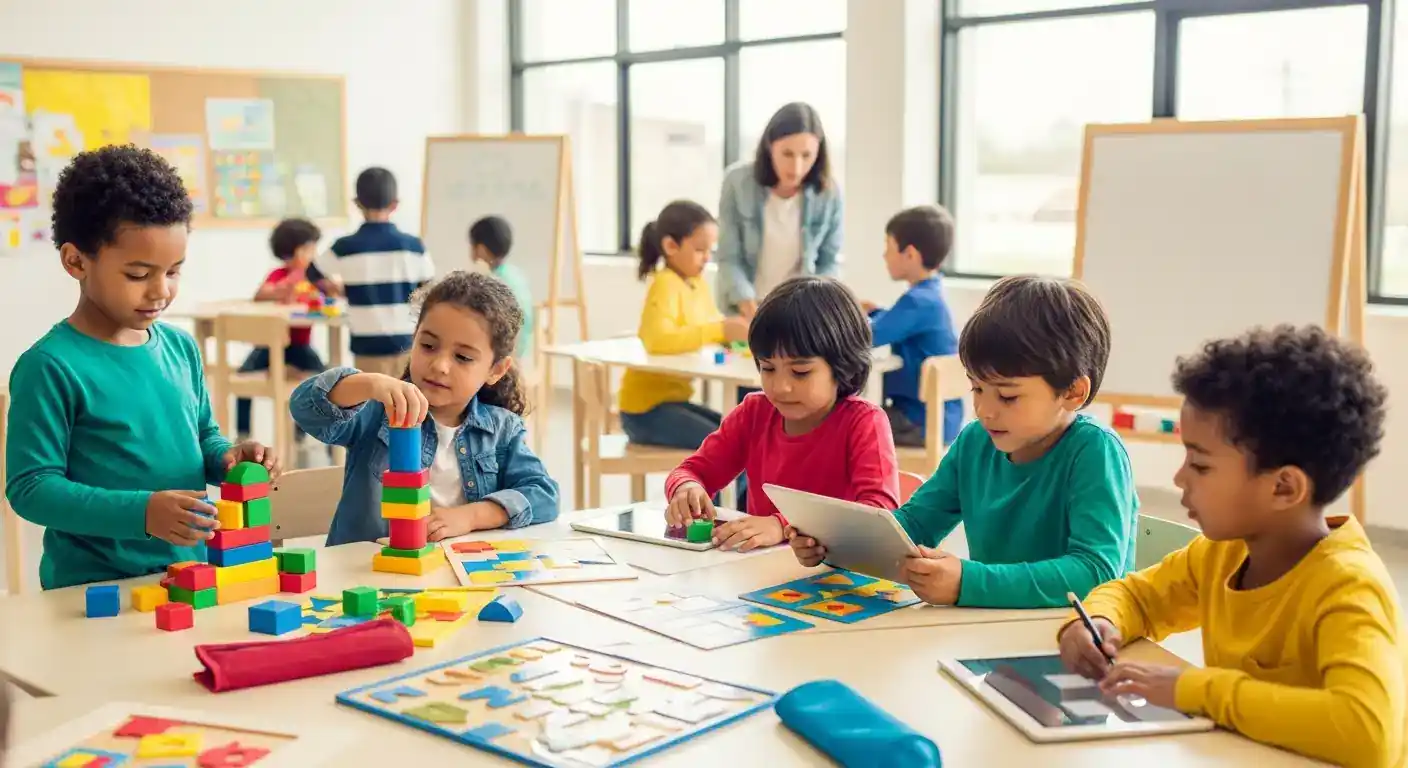
A supportive environment is crucial for healthy child development. It nurtures a child's emotional, social, and cognitive growth, laying the foundation for a fulfilling life. By focusing on key elements like open communication, positive reinforcement, and consistent routines, parents and caregivers can significantly impact a child's well-being. This article provides actionable strategies to cultivate such an environment.
Key Points:
- Open Communication
- Positive Reinforcement
- Consistent Routines
- Emotional Security
- Learning Opportunities
Creating a Supportive Environment for Child Development
A child's environment plays a vital role in shaping their development. A supportive environment provides the necessary security and stimulation for children to thrive. This includes not just the physical space, but also the emotional and social atmosphere.
Building a Foundation for Healthy Child Development
Open communication is key. Encourage children to express their feelings and thoughts without fear of judgment. Actively listen and respond thoughtfully, validating their emotions. This fosters trust and self-esteem. Consistent routines offer predictability and stability, reducing anxiety and promoting a sense of security. Establish regular schedules for meals, sleep, and playtime. This helps children understand expectations and develop self-discipline.
Nurturing Emotional and Social Growth in a Supportive Environment
Providing a sense of emotional security is paramount. Children need to feel loved, accepted, and safe. This comes from consistent affection, positive attention, and responsive caregiving. A secure attachment with caregivers helps children develop healthy relationships and manage stress. Positive reinforcement, focusing on praising effort rather than just outcomes, builds confidence and motivates children to explore and learn. Celebrate small victories and encourage perseverance in the face of challenges.
Enhancing Child Development through a Stimulating Environment
Creating a stimulating environment filled with learning opportunities is equally crucial. Provide access to age-appropriate books, toys, and activities that encourage curiosity and creativity. Engage in interactive play and encourage exploration. Learning through play is essential for cognitive development. It helps children develop problem-solving skills, critical thinking, and creativity. Offer opportunities for both structured and unstructured play, allowing children to learn at their own pace.
Differentiated Approaches to Supporting Child Development
Beyond the basics, two key differentiators are crucial: mindfulness and cultural sensitivity. Teaching children mindfulness techniques, like deep breathing exercises, can help them manage emotions and develop resilience. (Source: The Mindful Child, 2024). Furthermore, incorporating cultural awareness into the child's environment helps them appreciate diversity and develop a strong sense of identity. (Source: Raising Global Citizens, 2023).
Creating a Supportive Environment for Unique Needs
Every child is unique. Tailor your approach to meet their individual needs and developmental stage. Observe their interests and learning styles to create a truly supportive environment that fosters their growth and well-being. This might involve seeking professional guidance from child psychologists or educators. (Source: The Developing Child, 2025).
Internal Linking Suggestions:
- Anchor Text: positive reinforcement; Target Page Type: related article; Link: /articles/positive-reinforcement-techniques-for-children
- Anchor Text: learning through play; Target Page Type: related article; Link: /articles/the-importance-of-learning-through-play
- Anchor Text: Parent-Child Relationship Building; Target Page Type: category; Link: /categories/parent-child-relationship
FAQ: Creating a Supportive Environment
Q1: How can I create a supportive environment for a shy child?
A1: Create a safe space where your child feels comfortable expressing themselves. Avoid putting them on the spot and offer gentle encouragement. Celebrate small social interactions and provide opportunities for them to interact with peers in smaller groups.
Q2: What are some examples of creating a stimulating learning environment at home?
A2: Stock your home with age-appropriate books, puzzles, and art supplies. Engage in interactive activities like reading together, building blocks, or conducting simple science experiments. Encourage exploration and creativity through play.
Q3: How do I balance structure and freedom in a supportive environment?
A3: Establish clear routines and expectations for things like meals and bedtime. Within this structure, offer choices and flexibility in activities and playtime. This allows children to develop a sense of autonomy while still feeling secure.
Q4: How can I adapt my approach to support my child's changing needs as they grow?
A4: Stay attuned to your child's developmental milestones and adjust your expectations accordingly. Observe their interests and provide opportunities for them to explore new things. Don't be afraid to seek advice from professionals if needed.
Conclusion: Fostering a Thriving Future
Creating a supportive environment for healthy child development is a continuous journey. By focusing on open communication, positive reinforcement, and a stimulating environment, parents and caregivers can empower children to reach their full potential. Share your experiences and thoughts in the comments below. Subscribe to our newsletter for more parenting tips and resources. For extended reading on child development, explore our articles on positive discipline and fostering creativity.