Creating a Supportive Environment for Child Development at Home
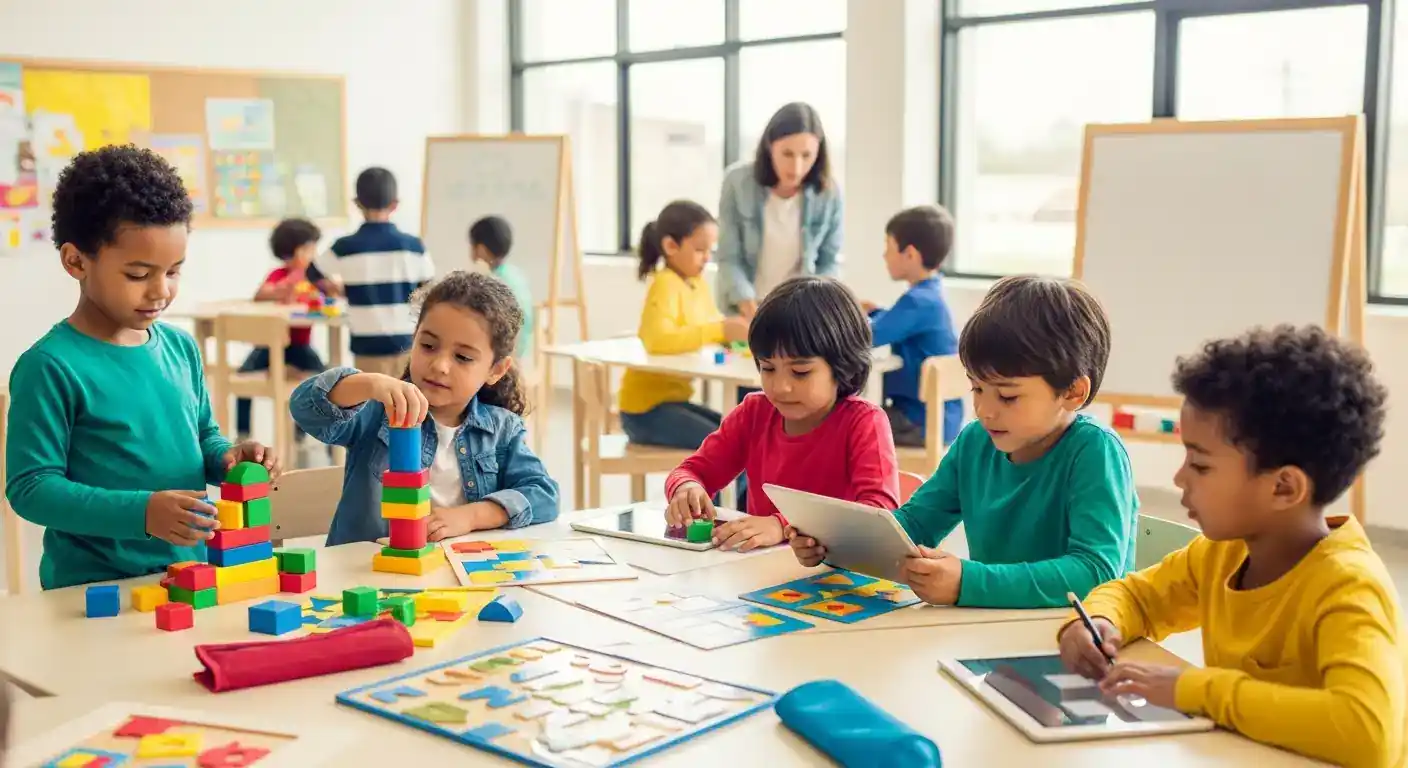
A supportive home environment is the cornerstone of healthy child development. It provides the foundation for children to thrive emotionally, socially, intellectually, and physically. This article offers practical strategies for parents to create such an environment, fostering a nurturing space where children feel safe, loved, and empowered to reach their full potential.
Key Points:
- Nurturing Relationships: Prioritize strong parent-child bonds.
- Stimulating Environment: Create opportunities for learning and exploration.
- Consistent Routine: Establish predictable routines and boundaries.
- Positive Discipline: Encourage positive behavior and address misbehavior constructively.
- Open Communication: Foster open and honest communication.
Creating a Supportive Environment for Early Child Development
Creating a supportive environment isn't about expensive toys or elaborate activities. It's about fostering a space where your child feels safe, loved, and empowered. This starts with nurturing a strong parent-child relationship built on trust and open communication. Spend quality time with your child, engage in activities they enjoy, and listen attentively to their thoughts and feelings. This connection forms the bedrock of their emotional well-being.
Fostering a Positive Home Environment for Child Development
A positive home environment for child development also involves creating a stimulating space that encourages exploration and learning. Provide age-appropriate toys and materials that spark their curiosity. Read together regularly, visit libraries and museums, and engage in creative activities like drawing and painting. These experiences nurture their intellectual growth and ignite a lifelong love of learning. According to a 2024 study published in the Journal of Child Development Research, children exposed to rich learning environments in their early years demonstrate enhanced cognitive skills later in life.
Establishing Routines and Boundaries within the Home Environment
Consistent routines and clear boundaries are crucial elements of a supportive home environment. Children thrive on predictability, and established routines provide a sense of security. Set regular times for meals, sleep, and playtime. Establish clear expectations for behavior and consistently enforce them. This helps children understand what is expected of them and develop self-discipline. A recent article in Parenting Today (2025) highlighted the importance of consistent routines for reducing anxiety in children.
Supporting Child Development through Positive Discipline
Discipline plays a vital role in shaping a child's behavior and character. Focus on positive discipline techniques that emphasize teaching and guidance rather than punishment. Encourage positive behavior through praise and rewards. When addressing misbehavior, focus on the action, not the child's character. Explain why the behavior is unacceptable and offer alternative solutions. This approach teaches children valuable life lessons and fosters a sense of responsibility.
Differentiated Strategies for Child Development at Home
- Mindful Parenting: Incorporate mindfulness practices into your daily routine to enhance your presence and connection with your child. This can involve dedicated quiet time together, practicing deep breathing exercises, or simply focusing on being fully present during interactions.
- Creating a Tech-Balanced Home: In today's digital age, it's important to establish healthy boundaries around technology use. Create designated tech-free zones and times, encouraging outdoor play and face-to-face interactions. This promotes balanced development and prevents excessive screen time, a growing concern highlighted in the 2023 report by the National Institute of Child Health and Human Development.
Internal Linking Suggestions
- Anchor Text: parent-child relationship, Link Target: /categories/parent-child-relationship (Category)
- Anchor Text: positive discipline techniques, Link Target: /articles/positive-discipline-techniques-for-effective-parenting (Related Article)
- Anchor Text: age-appropriate toys, Link Target: /articles/choosing-age-appropriate-toys-for-child-development (Related Article)
FAQ: Creating a Supportive Environment for Child Development
Q1: How can I create a supportive environment for my introverted child?
A1: Provide quiet spaces where they can recharge, respect their need for alone time, and create opportunities for them to engage in activities they enjoy, even if it’s independently. Encourage social interaction in small, comfortable settings.
Q2: What are some signs that my home environment isn't supportive?
A2: Signs may include frequent tantrums, withdrawn behavior, difficulty sleeping, or expressing anxiety. Observe your child's behavior and consider if changes in the home environment might be necessary.
Q3: How do I balance work and creating a supportive home environment?
A3: Prioritize quality time over quantity. Establish dedicated family time free from work distractions. Involve your child in age-appropriate chores, fostering a sense of responsibility and shared effort.
Q4: What if I make mistakes in creating a supportive environment?
A4: Parenting is a journey of learning and growth. Mistakes are inevitable. The key is to acknowledge them, learn from them, and adjust your approach. Openly communicate with your child and be willing to apologize when necessary.
Creating a Supportive Environment: Your Next Steps
Creating a supportive environment for child development is a continuous process. Stay informed about child development milestones and adapt your approach as your child grows. Engage in ongoing learning through parenting resources and workshops. Remember, a supportive home environment is the greatest gift you can give your child. Share your experiences and tips in the comments below! Subscribe for more articles on fostering positive parent-child relationships. For further reading, explore the resources available at the National Association for the Education of Young Children.
Future Expansion Topics:
- The Impact of Technology on Child Development in the Home
- Creating a Supportive Environment for Children with Special Needs
- Navigating Cultural Differences in Child Rearing Practices