Cognitive Milestones in Early Childhood: Learning and Problem-Solving
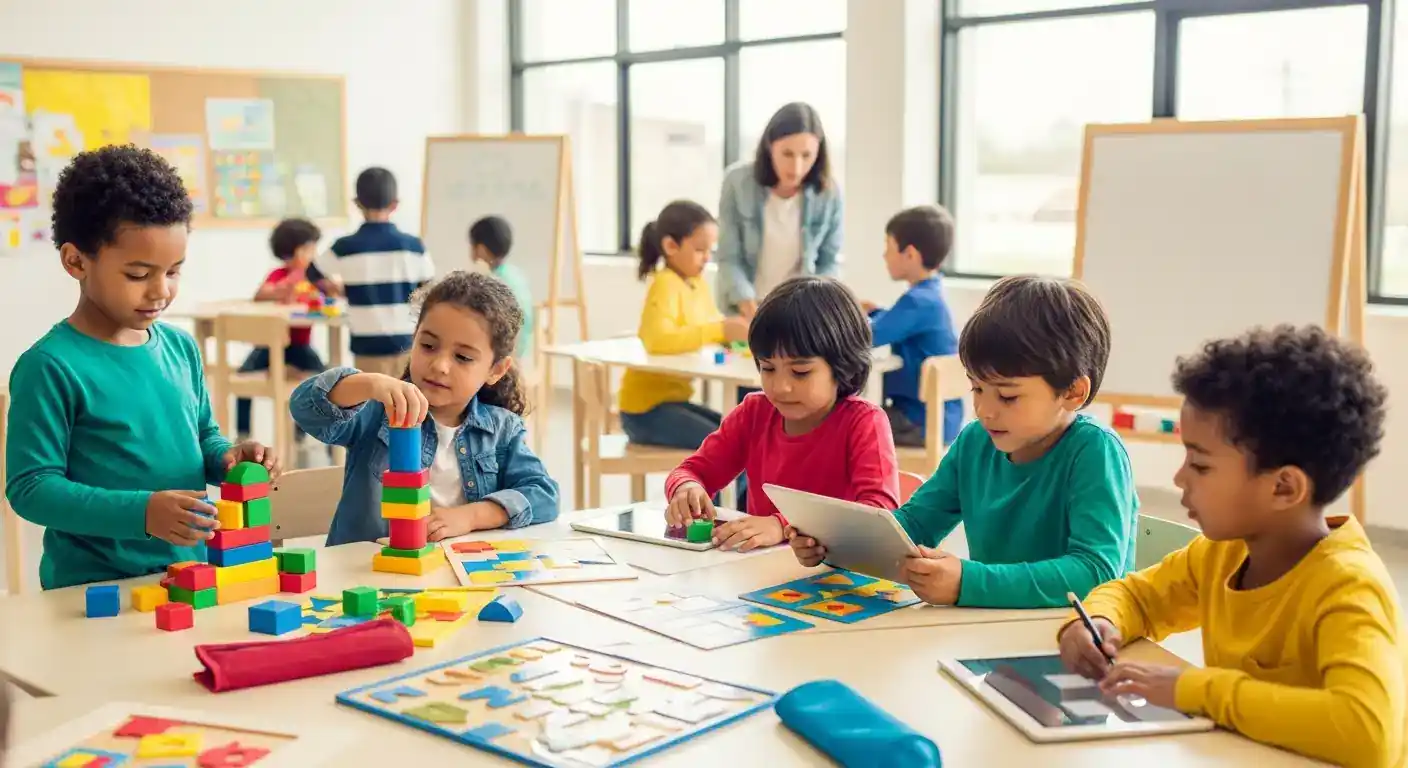
Cognitive Milestones in Early Childhood: Learning and Problem-Solving
Early childhood is a period of remarkable growth, especially when it comes to a child's cognitive abilities. Understanding the cognitive milestones in early childhood is crucial for parents, educators, and caregivers alike. These milestones represent significant steps in how children learn, think, explore, and solve problems, laying the foundation for future academic and life success. By recognizing these developmental markers, we can better support young children in navigating their world and developing essential skills. This article delves into these critical stages, offering insights and practical strategies to foster optimal learning and problem-solving abilities from infancy through the preschool years.
Key Points:
- Understanding Development: Cognitive milestones are predictable stages of intellectual growth.
- Age-Specific Skills: Learning and problem-solving evolve significantly across different early childhood age groups.
- Supportive Environments: Creating rich, stimulating environments is vital for cognitive development.
- Practical Strategies: Engage children through play, interaction, and exploration to boost their skills.
- Early Intervention: Recognizing potential delays and seeking support early can make a significant difference.
Understanding Cognitive Milestones in Early Childhood
Cognitive development refers to the process by which a child constructs a mental model of the world. It involves the development of thought processes, including remembering, problem-solving, and decision-making. The cognitive milestones in early childhood are not just about reaching specific age-based achievements; they reflect a child's developing capacity to understand, interact with, and make sense of their environment. These milestones are interconnected, with each new skill building upon previous ones, creating a complex web of learning.
From birth, a child's brain is rapidly developing, forming billions of neural connections. This period of intense brain development in young children is highly sensitive to environmental influences. Stimulating experiences and responsive interactions play a pivotal role in shaping these neural pathways, directly impacting a child's ability to learn and solve problems. Recognizing these milestones helps us appreciate the incredible journey of a child's mind and provides a roadmap for effective support.
Key Cognitive Milestones by Age Group
The journey of cognitive development is fascinating, marked by distinct achievements at different stages. Observing these cognitive milestones in early childhood helps us tailor our interactions and provide appropriate challenges.
Infancy (0-12 Months): Foundations of Understanding
In their first year, infants begin to grasp fundamental concepts about their world. A primary milestone is the development of object permanence, understanding that objects continue to exist even when they cannot be seen. This typically emerges around 8-12 months. Infants also start to understand cause-and-effect, like shaking a rattle to make noise. They explore through their senses, learning about textures, sounds, and shapes. Early signs of cognitive growth include tracking moving objects and showing curiosity about new stimuli.
Toddlerhood (1-3 Years): Exploring and Experimenting
Toddlers are active learners, constantly experimenting and testing boundaries. This stage sees a significant leap in language development, which is intrinsically linked to cognitive growth. They begin to engage in symbolic play, using objects to represent others (e.g., a block as a phone). Simple problem-solving skills in preschoolers start to emerge as they figure out how to stack blocks, open containers, or find hidden toys. They also develop an understanding of basic concepts like "in" and "out," and "big" and "small." For more information on this topic, readers can explore related articles on infant and toddler development.
Preschool (3-5 Years): Reasoning and Early Academics
Preschoolers demonstrate more sophisticated thinking. Their memory skills improve, allowing them to recall past events and follow multi-step instructions. They begin to understand time concepts (yesterday, today, tomorrow) and develop early literacy and numeracy skills, recognizing letters, numbers, and simple patterns. This age group also shows an increased capacity for logical reasoning, asking "why" questions and trying to understand how things work. They can sort objects by multiple attributes (color and shape) and engage in more complex imaginative play, often involving role-playing and storytelling.
Fostering Learning and Problem-Solving Skills
Supporting cognitive milestones in early childhood requires an intentional approach that encourages exploration and critical thinking. The environment and interactions a child experiences are paramount.
The Power of Play-Based Learning
Play is not just fun; it's a child's primary mode of learning. Open-ended play allows children to experiment, make choices, and solve problems creatively. Whether it's building a tower, pretending to be a doctor, or exploring a sensory bin, play stimulates imagination, language, and social skills, all of which contribute to cognitive development. A 2023 study published in Early Childhood Research Quarterly emphasized that unstructured play significantly enhances executive functions, including working memory and cognitive flexibility, in preschoolers.
Encouraging Curiosity and Exploration
Children are naturally curious. Providing opportunities for them to explore their surroundings safely and ask questions is vital. This could involve trips to a park, museum, or even just exploring different rooms in the house. When a child asks "why," engaging with their question rather than dismissing it fosters a love for learning and critical thinking. According to the American Academy of Pediatrics' 2024 guidelines on early learning, responsive interactions that encourage curiosity are fundamental for healthy brain development.
Scaffolding and Guided Discovery
Scaffolding, a concept from developmental psychology, involves providing just enough support to help a child accomplish a task they couldn't do independently. For example, if a child is struggling with a puzzle, you might offer a hint or help them orient one piece, allowing them to complete the rest. This approach builds confidence and teaches effective problem-solving strategies for toddlers and preschoolers. It's about guiding discovery rather than providing direct answers.
Practical Strategies for Parents and Educators
Here are actionable ways to support cognitive milestones in early childhood:
- Read Aloud Regularly: Engage children with books, asking questions about the story and pictures. This boosts vocabulary, comprehension, and imaginative thinking.
- Provide Manipulatives: Offer blocks, puzzles, shape sorters, and art supplies. These tools help children develop spatial reasoning, fine motor skills, and creative problem-solving.
- Ask Open-Ended Questions: Instead of "Is that a red ball?", ask "What do you notice about this ball?" or "What do you think will happen if...?" This encourages deeper thought.
- Encourage Independent Problem-Solving: When a child faces a challenge, resist the urge to immediately solve it for them. Instead, ask, "What do you think you could do?" or "Let's try a few different ways."
- Incorporate Daily Routines: Routines help children understand sequence and predictability, strengthening their memory and organizational skills.
- Limit Screen Time: While some educational apps can be beneficial, excessive screen time can hinder the hands-on exploration and social interaction crucial for cognitive development.
Recognizing and Addressing Developmental Concerns
While every child develops at their own pace, understanding typical cognitive milestones in early childhood can help identify potential delays. If a child consistently misses several milestones or shows a regression in skills, it's important to consult with a pediatrician or developmental specialist. Early intervention is key; addressing concerns promptly can significantly improve outcomes for children facing developmental challenges. For instance, a child who shows persistent difficulty with symbolic play or understanding simple instructions by age three might benefit from an evaluation.
The Role of Nutrition and Environment in Cognitive Development
Beyond direct interaction, a child's overall well-being significantly impacts their cognitive growth. Brain-boosting foods rich in Omega-3 fatty acids, iron, and choline are essential for optimal brain development in young children. A balanced diet supports the energy and building blocks needed for neural growth. Furthermore, a stimulating home environment, characterized by warmth, responsiveness, and opportunities for exploration, provides the ideal backdrop for learning. Reducing stress and ensuring adequate sleep also play critical roles in a child's ability to focus, learn, and retain information.
FAQ Section
Q1: What are the most important cognitive milestones in early childhood?
A1: While all milestones are important, key ones include object permanence (understanding objects exist even when unseen), symbolic play (using objects to represent others), developing language skills, and the ability to solve simple problems. These foundational skills are crucial as they