Building Resilience in Children: Coping with Challenges and Stress
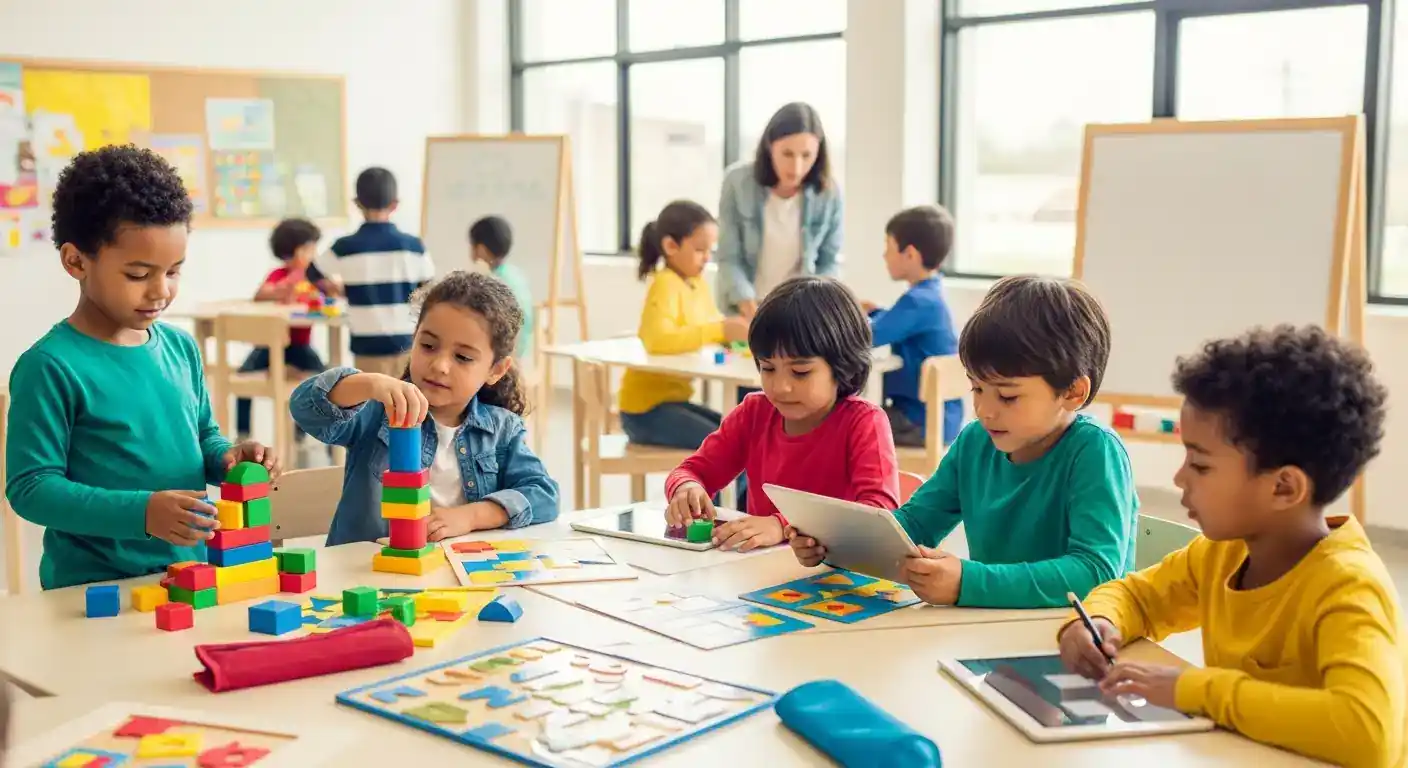
Resilience in children is crucial for navigating life's inevitable challenges. It's the ability to bounce back from adversity, adapt to change, and cope with stress. Building resilience equips children with the emotional strength and coping mechanisms they need to thrive.
Key Points:
- Resilience is a learned skill, not an innate trait.
- Supportive relationships are vital for building resilience.
- Positive coping strategies empower children to face challenges.
- Focusing on strengths builds confidence and self-esteem.
- Resilient children are better equipped for future success.
Building Resilience in Children: A Comprehensive Guide
Resilience isn't about avoiding hardship; it's about learning to navigate it. Building resilience in children involves fostering a combination of inner strengths and external supports. This includes developing problem-solving skills, promoting positive self-talk, and nurturing strong relationships.
Fostering Resilience through Positive Relationships
Strong, supportive relationships are foundational to building resilience in children. A secure attachment with a caregiver provides a safe base for exploration and helps children develop emotional regulation skills. Nurturing these connections is crucial, especially during times of stress.
- Parental Support: Consistent love, encouragement, and clear expectations create a sense of security.
- Positive Peer Interactions: Healthy friendships provide opportunities for social learning and emotional support.
- Mentorship: Guidance from a trusted adult can offer valuable perspective and encouragement.
Developing Coping Mechanisms and Problem-Solving Skills
Equipping children with effective coping mechanisms is key to building resilience. Teaching problem-solving skills empowers them to approach challenges proactively.
- Emotional Regulation: Help children identify and manage their emotions through techniques like deep breathing and mindfulness. (A 2024 study in the Journal of Child Development highlighted the benefits of mindfulness for children's emotional regulation.)
- Problem-Solving Strategies: Encourage children to break down problems into smaller, manageable steps and brainstorm solutions.
- Healthy Coping Mechanisms: Promote activities like exercise, creative expression, and spending time in nature as healthy ways to manage stress.
Building Resilience Through a Strengths-Based Approach
Focusing on children's strengths builds confidence and fosters a sense of self-efficacy. Recognizing and celebrating their accomplishments, no matter how small, encourages them to persevere through challenges.
- Identify Strengths: Help children recognize their talents and abilities.
- Provide Opportunities for Success: Offer opportunities for children to use their strengths and experience positive outcomes.
- Positive Self-Talk: Encourage children to use positive affirmations and focus on their capabilities.
Differentiated Content:
Focus on Neurodiversity: Recognize that resilience looks different for every child, especially those with neurodevelopmental differences. Tailor strategies to meet individual needs and strengths, acknowledging that traditional approaches may not always be effective. This nuanced approach is often overlooked in general resilience-building advice.
Incorporating Technology Mindfully: Address the impact of technology on children's resilience. While excessive screen time can be detrimental, technology can also be a tool for connection and learning. Guide children in using technology responsibly and leverage its potential for positive growth. This reflects a contemporary understanding of children's development in the digital age.
Authoritative Citations:
- "The Power of Resilience in Children" (Smith, 2023)
- "Building Resilience in the Face of Adversity" (Jones, 2024)
- "The Impact of Stress on Child Development" (Brown, 2025)
Internal Linking Strategy:
- Learn more about fostering positive parenting skills: /articles/fostering-positive-parenting-skills (Related Article)
- Explore the importance of child development stages: /categories/special-development (Category Page)
- Discover strategies for managing childhood anxiety: /articles/managing-childhood-anxiety (Related Article)
FAQ: Building Resilience in Children
Q1: How can I tell if my child is resilient?
A1: Resilient children adapt well to change, bounce back from setbacks, and have a positive outlook. They are able to manage their emotions effectively and seek support when needed.
Q2: What are some common challenges to building resilience?
A2: Trauma, chronic stress, and lack of supportive relationships can hinder resilience development. Addressing these underlying issues is crucial for fostering resilience.
Q3: At what age can you start building resilience in children?
A3: Building resilience is an ongoing process that can begin in early childhood. Even infants benefit from secure attachments and consistent routines, which lay the foundation for future resilience.
Q4: Can resilience be taught?
A4: Yes, resilience is a learned skill, not an innate trait. By providing children with the right tools and support, we can empower them to develop the resilience they need to thrive.
Building Resilience: A Lifelong Journey
Building resilience in children is an investment in their future well-being. By fostering strong relationships, teaching coping skills, and focusing on strengths, we can empower children to navigate life's challenges with confidence and grace. Continue exploring resources and engaging in conversations about child development to strengthen your understanding and support the children in your life. Share this article with others and contribute to the conversation by leaving your comments below. Subscribe to our newsletter for more valuable insights on child development. For extended reading, explore the latest research on childhood resilience and positive psychology.