Addressing Separation Anxiety in Toddlers: Gentle Approaches and Expert Tips
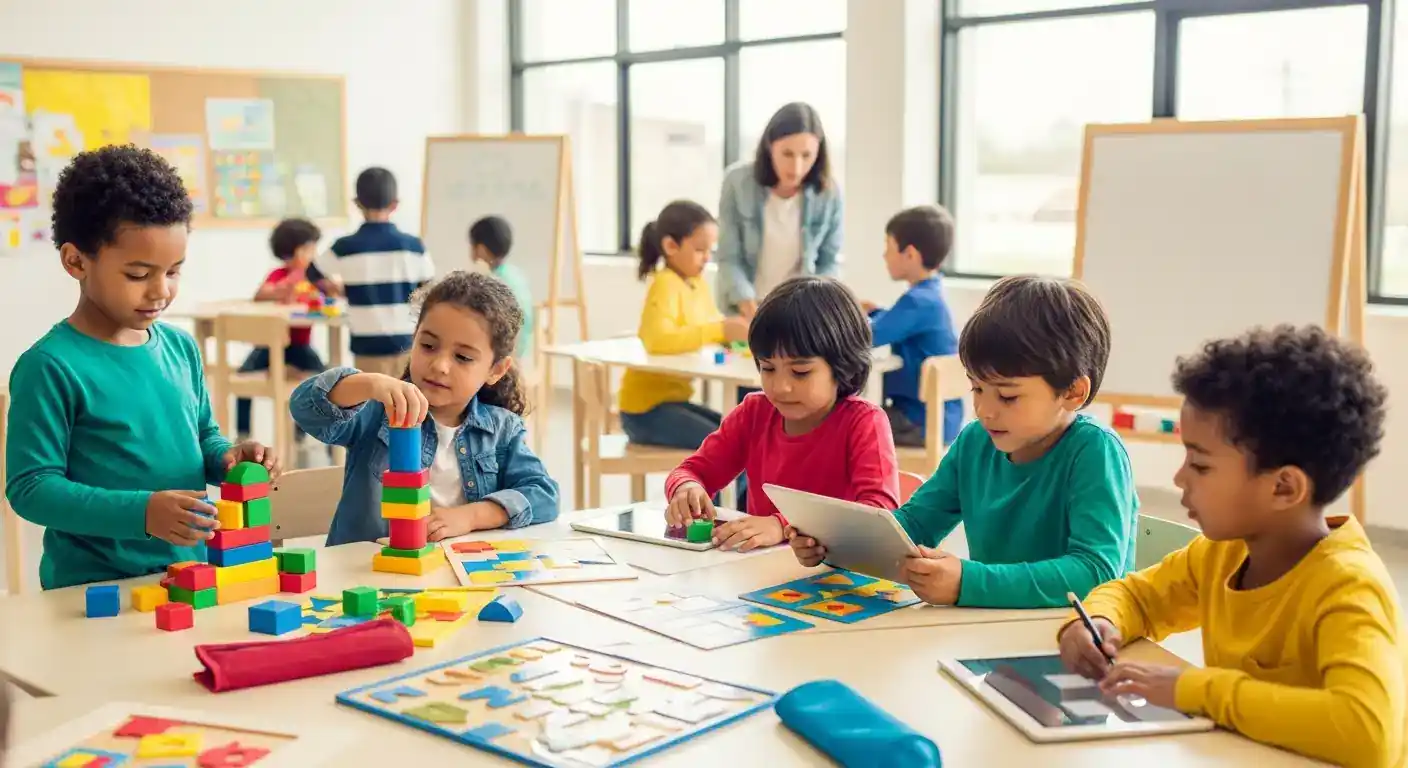
Navigating the emotional landscape of toddlerhood can be a complex journey, and few challenges are as universally recognized as addressing separation anxiety in toddlers. This natural developmental stage, often marked by tears and clinging, can be incredibly distressing for both children and their parents. Understanding its roots and implementing gentle, consistent strategies is crucial for helping your little one build confidence and cope with transitions.
Our guide offers compassionate, expert-backed advice to transform daunting goodbyes into opportunities for growth. We'll explore the underlying reasons behind this common phase and provide practical, actionable tips to support your toddler. By fostering a sense of security and predictability, you can empower your child to embrace new experiences with courage and a greater sense of independence.
Key Points for Addressing Separation Anxiety in Toddlers:
- Understand Its Roots: Separation anxiety is a normal developmental phase linked to cognitive growth.
- Build a Secure Base: Consistent love and responsiveness foster trust and emotional security.
- Establish Rituals: Predictable goodbye routines create comfort and reduce uncertainty.
- Practice Gradual Exposure: Short, successful separations build confidence over time.
- Seek Support: Don't hesitate to reach out to professionals if anxiety becomes overwhelming.
Understanding Toddler Separation Anxiety: What's Happening?
Separation anxiety in toddlers is a normal and often healthy part of their development. It typically emerges between 8 and 14 months and can resurface or intensify during the toddler years, especially around 18 months to 3 years old. This isn't a sign of 'bad' parenting or a 'spoiled' child; rather, it's a reflection of significant cognitive and emotional milestones your child is achieving. It's a clear signal of a strong, secure attachment.
The Developmental Leap Behind Separation Anxiety
At this age, toddlers are becoming increasingly aware of object permanence – the understanding that people and objects still exist even when they can't be seen. While this is a wonderful cognitive leap, it also means they now fully grasp that you're gone when you leave, and they haven't yet developed a strong sense of time or a firm belief in your return. This newfound awareness, coupled with their emerging independence and a reliance on their primary caregivers for safety, often leads to distress when separated. Their world, for a brief moment, feels uncertain and less secure without you present.
Common Signs and Behaviors of Toddler Separation Anxiety
The manifestations of separation anxiety can vary widely between children. You might observe heightened clinginess, particularly when you prepare to leave or when a new situation arises. Crying, tantrums, and refusing to be comforted by others are also very common behaviors. Some toddlers might develop physical symptoms like stomachaches or nightmares, especially if the anxiety is intense or prolonged. These reactions are their way of communicating distress and their need for reassurance during a challenging moment. Acknowledge their feelings, as this is the first step in addressing separation anxiety in toddlers effectively.
Gentle Approaches for Addressing Separation Anxiety in Toddlers
Successful management of separation anxiety hinges on a foundation of empathy, consistency, and patience. Parents play a pivotal role in shaping their child's response to these separations. By adopting gentle and intentional strategies, you can help your toddler navigate these challenging feelings and build resilience. This section focuses on practical, supportive methods to ease the transition and reinforce their sense of security.
Building a Secure Base
A strong, secure attachment is the most potent antidote to separation anxiety. This means consistently responding to your child's needs, offering comfort, and being emotionally available. When your toddler feels confident that you are their reliable "secure base," they are more likely to feel safe exploring the world and coping with your temporary absence. Spending quality, focused time together, engaging in play, and offering physical affection regularly helps foster a secure attachment. This consistent care builds their trust, reassuring them that you will always return. For more insights on building strong family bonds, explore our resources on [/categories/parent-child-relationship].
Crafting Consistent Goodbye Rituals
Predictability is profoundly comforting to a toddler. Establishing a consistent, loving goodbye ritual can significantly ease their distress. This ritual should be brief, calm, and positive. Perhaps it's two hugs, a kiss, a special phrase like "Mommy always comes back," and a wave from the window. The key is to make it the same every time. Avoid sneaking away, as this can erode trust and intensify anxiety. A quick, confident departure after the ritual is best, as lingering can prolong their distress. Research from the Journal of Early Childhood Psychology (2024) emphasizes the importance of predictable routines in enhancing emotional regulation in young children.
Gradual Exposure and Practice
Introducing separations gradually can help your toddler adapt. Start with very short separations in familiar environments, such as leaving them with a trusted family member for a few minutes while you're in another room. As they become more comfortable, slowly increase the duration and perhaps introduce new caregivers or settings. This incremental approach allows them to experience successful separations, building their confidence and reinforcing the idea that you will always return. Think of it as practice: the more positive experiences they have, the more resilient they become.
Expert Tips for Managing Challenging Drop-offs
Drop-offs can be particularly stressful for parents and toddlers alike. Beyond establishing routines, there are specific expert-backed strategies that can make these moments smoother. These tips focus on proactive preparation, emotional support, and effective communication with anyone caring for your child. By implementing these, you're not just enduring the separation; you're actively addressing separation anxiety in toddlers and empowering them.
Leveraging Comfort Objects
A comfort object, such as a favorite blanket or stuffed animal, can be an invaluable tool for managing separation anxiety. These items serve as transitional objects, providing a tangible piece of home and familiarity during your absence. They offer a sense of security and can help your toddler self-soothe when they feel anxious. Encourage your child to choose a special "buddy" for their time away and ensure it's always available during separations. The familiarity of such an item can significantly reduce stress and provide a calming presence.
The Power of Play and Preparation
Preparation before separation can significantly reduce anxiety. Engage your toddler in imaginative play scenarios where a doll or teddy bear experiences a "goodbye" and then a "reunion." This helps them process the concept in a safe, fun context. Talk about where you're going, who they'll be with, and what fun activities they'll do, using simple language. For example, "Mommy is going to work, and you will play with blocks at daycare. I'll be back after naptime!" This verbal and playful preparation helps them mentally rehearse the separation, making it less of a surprise. Establishing predictable routines overall, including sleep and meal times, also significantly contributes to a toddler's sense of security, which aids in managing separation anxiety. Find further guidance on this in our article on [/articles/establishing-predictable-routines-for-toddlers].
Communicating with Caregivers Effectively
Ensure that anyone caring for your child — grandparents, babysitters, or daycare staff — is aware of your strategies and your child's specific needs. Share your goodbye ritual, explain their comfort object, and discuss how they typically react to separation. Consistent communication ensures that everyone is on the same page, providing a unified and supportive environment for your toddler. According to an article in Child Development Perspectives (2023), cohesive caregiver communication is vital for children's emotional well-being and successful transitions. This collaborative approach helps reinforce the sense of security and predictability your child needs. Remember, consistency across all caregivers amplifies the positive impact of your efforts. For more tips on fostering positive interactions, consider reading about [/articles/positive-parenting-strategies-for-toddler-behavior].
When to Seek Professional Guidance for Toddler Separation Anxiety
While separation anxiety is a normal part of development for most toddlers, there are instances where it might be more intense or prolonged than expected. Recognizing these signs is crucial, as early intervention can make a significant difference. It's important to remember that seeking professional help is a sign of proactive parenting, not a failure. You are ensuring your child receives the best possible support.
If your toddler's separation anxiety seems unusually severe, lasts longer than typically expected for their age (e.g., beyond the preschool years), or significantly interferes with their daily life, it may be time to consult an expert. Persistent extreme distress, refusal to attend daycare or school, or physical symptoms like chronic headaches or stomachaches that cannot be explained medically, are all potential red flags. A recent review published by the American Academy of Pediatrics (2025) suggests that early consultation for persistent anxiety can prevent more significant challenges later on. A child psychologist, pediatrician, or an early childhood specialist can offer tailored strategies and identify if there are underlying factors contributing to the intensity of the anxiety.
Frequently Asked Questions (FAQ)
Q1: How long does toddler separation anxiety typically last?
A1: Separation anxiety is usually most pronounced between 8-14 months, and can resurface or intensify between 18 months and 3 years. For most toddlers, it naturally diminishes as they develop language skills, understand object permanence better, and gain more independence. It's often a phase that resolves by age 3 or 4, though brief episodes can occur during times of stress or change. Consistency and patience are key during this period.
Q2: Is separation anxiety a sign of poor attachment?
A2: No, quite the opposite. Strong separation anxiety is typically a sign of a secure attachment between a child and their primary caregiver. It means your child feels safe and connected to you and recognizes your importance in their world. They are distressed by your absence because they know you are their source of comfort and security. It's a testament to the strong bond you've built.
Q3: What should I do if my toddler cries intensely every time I leave?
A3: When your toddler cries intensely, remain calm, acknowledge their feelings ("I know you're sad I'm leaving"), reassure them of your return, and then make a quick, confident departure after your goodbye ritual. Do not sneak away or prolong the goodbye, as this can increase anxiety. Trust that their caregiver will comfort them shortly after you're gone. Consistency will eventually help them understand and adapt.
Q4: Can separation anxiety develop later in toddlerhood, even if it wasn't present before?
A4: Yes, separation anxiety can certainly develop or re-emerge later in toddlerhood, even if it wasn't prominent during infancy. Major life changes like moving, a new sibling, starting daycare, or even reaching new developmental milestones can trigger or intensify separation anxiety. Toddlers' emotional lives are complex, and their reactions can evolve as they grow and encounter new experiences.
Conclusion: Empowering Toddlers for Confident Separations
Addressing separation anxiety in toddlers requires a delicate balance of empathy, consistency, and proactive strategies. It's a powerful testament to the deep bond you share, and with the right approaches, it can become a journey of growth for both you and your child. By understanding their developmental stage, establishing loving rituals, and building a secure foundation, you're not just easing goodbyes; you're fostering resilience and independence that will serve them well throughout life.
Remember, every step, no matter how small, contributes to their confidence. Celebrate their tiny victories and offer boundless patience during setbacks. You are equipping them with the emotional tools they need to navigate the world, one gentle separation at a time.
We encourage you to share your own experiences and tips in the comments below – your insights can help other parents on a similar journey. If this article resonated with you, consider sharing it with friends or family who might benefit.
Extended Reading & Future Exploration:
- Separation Anxiety in Preschoolers: How does it evolve as children age?
- The Role of Temperament: How individual personality traits influence responses to separation.
- Professional Support for Persistent Separation Anxiety: Deeper dives into intervention strategies.